
Nepalese Caregiver
Adayları Filtrele
Working Style
Dil
Age
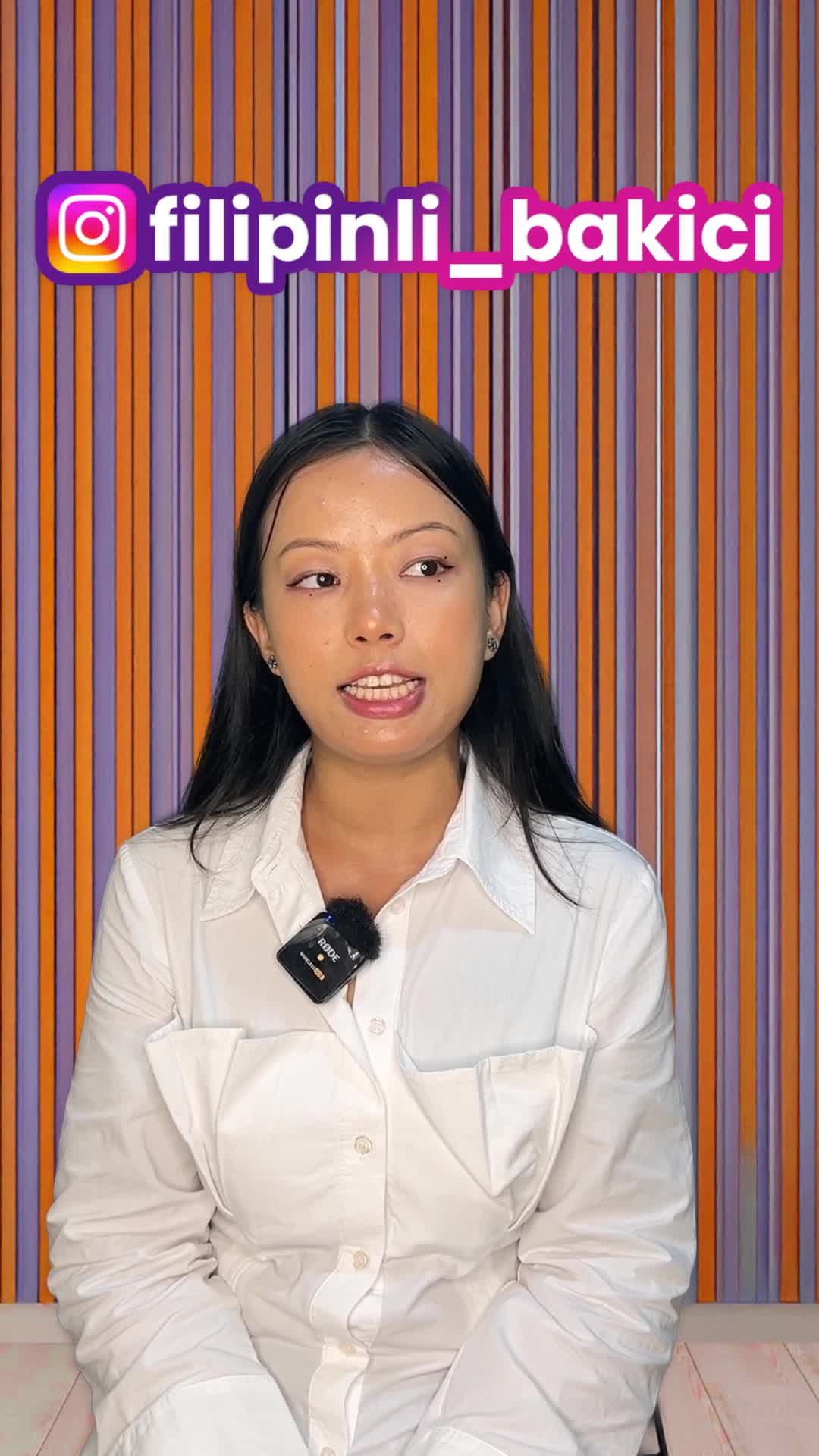
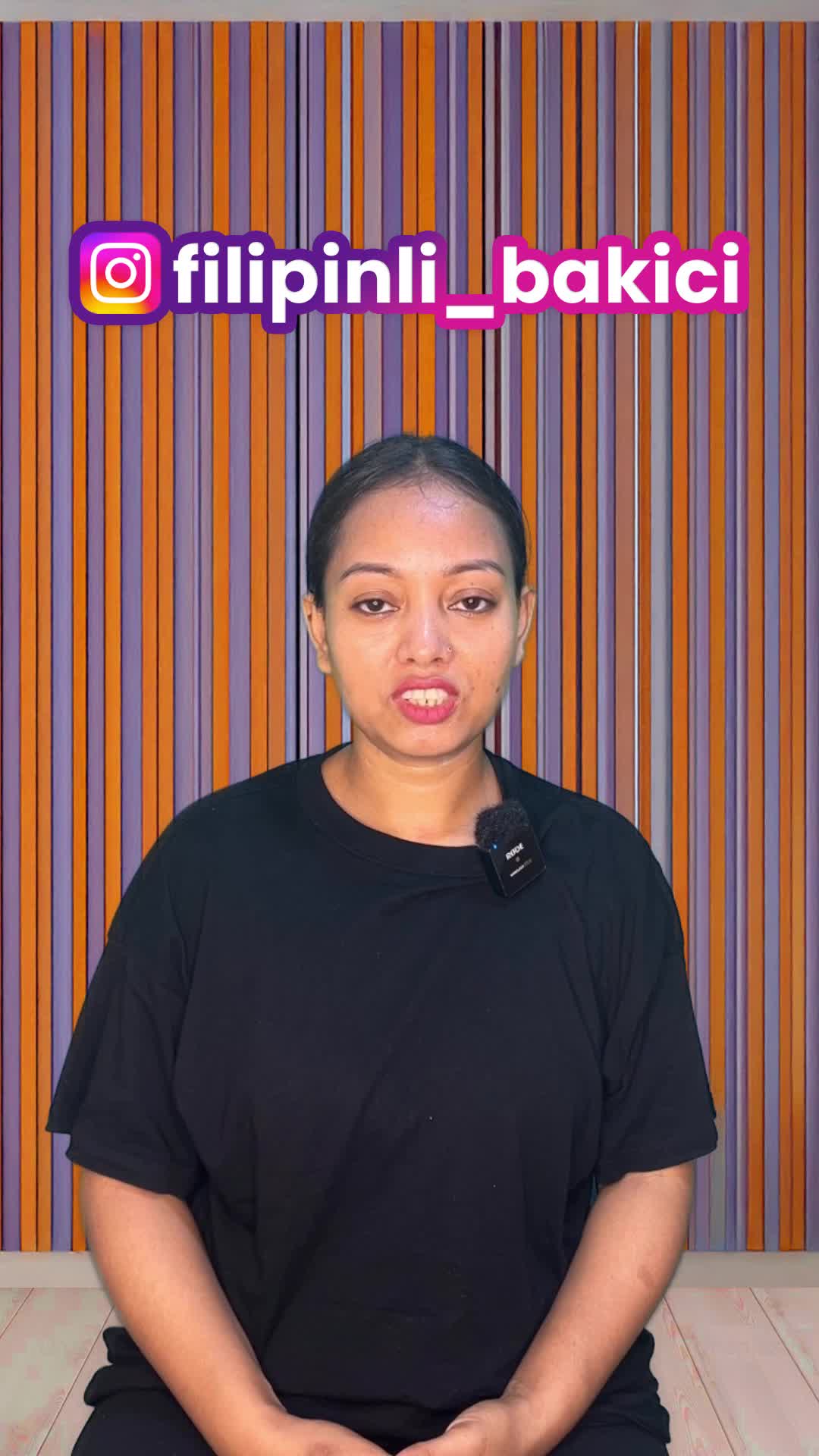

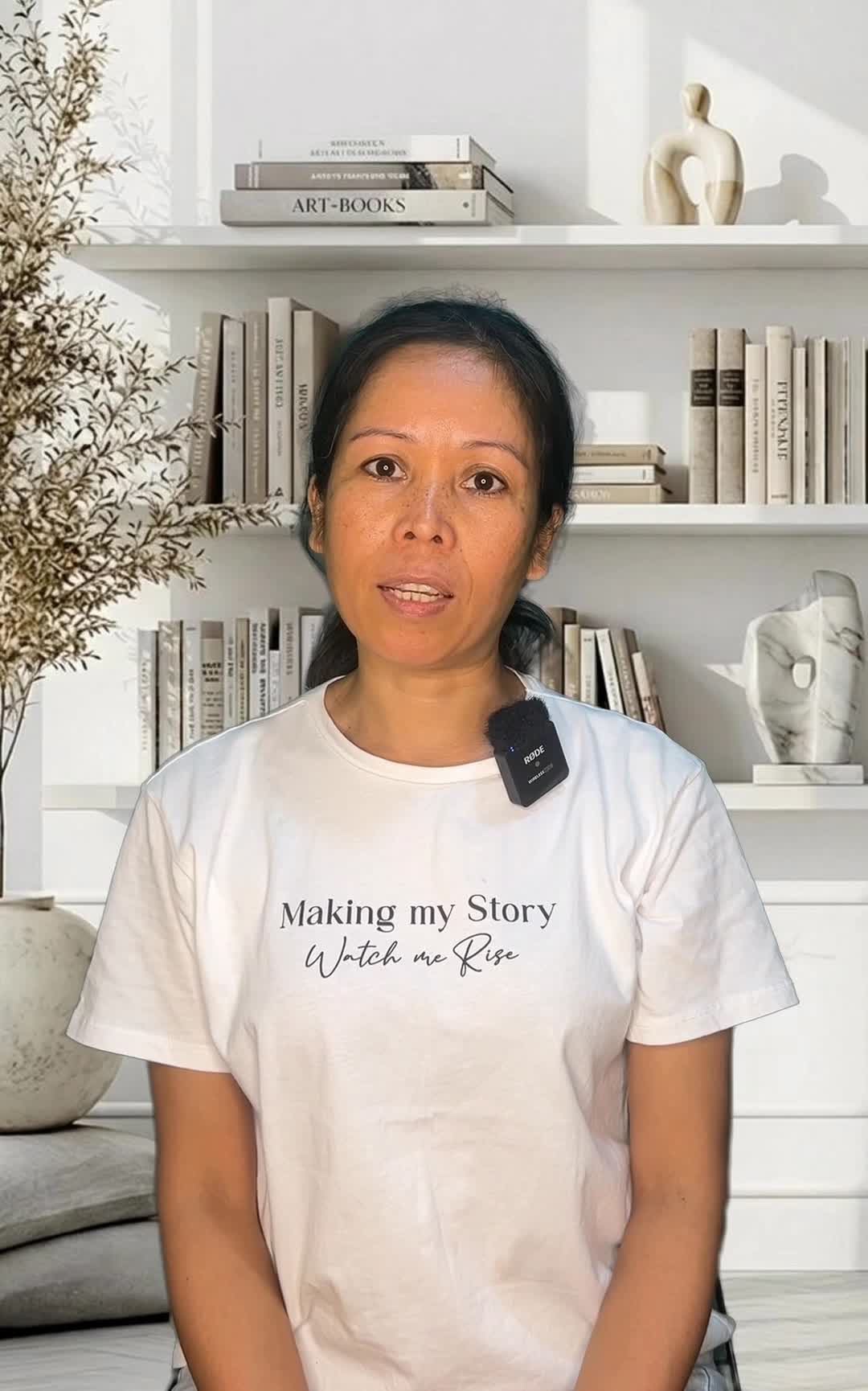
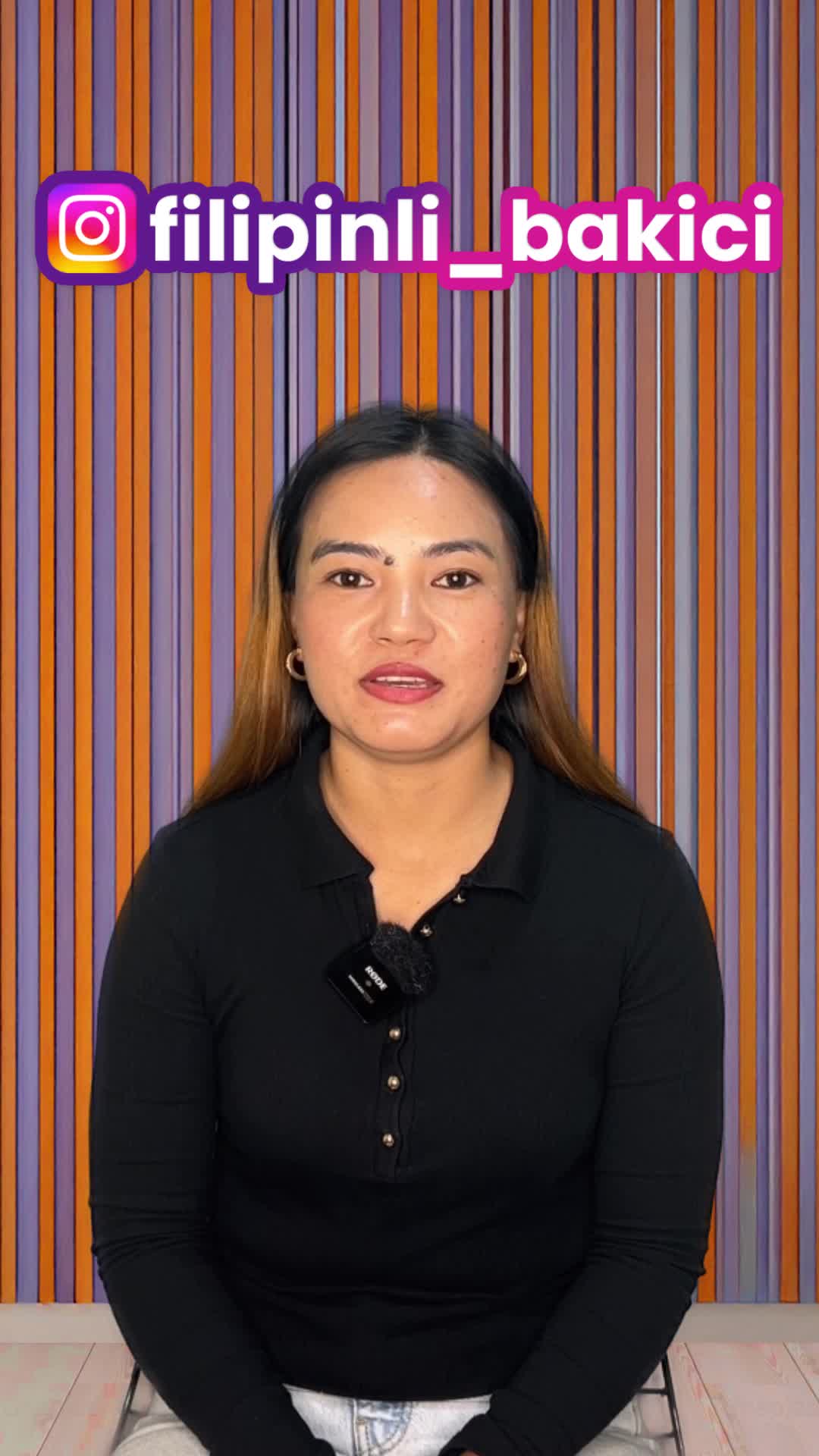


A Nepalese caregiver is a helper who works, usually live-in, for the needs of children, the elderly, or home support, actively participating in care processes. The Nepalese caregiver service offers a sustainable solution for families, especially through candidates who tend to work regularly, disciplined, and for long periods.
This service is suitable for working parents, families needing elderly care support, and individuals looking for regular help within the home. Nepalese caregivers contribute to maintaining household order while supporting daily care routines.
Choosing the right Nepalese caregiver means not just finding an employee; it means establishing a reliable and sustainable care process that fits the family structure. Therefore, choices made without professional process management can lead to significant time loss and the risk of selecting the wrong caregiver.
Why Choose a Nepalese Caregiver?
Nepalese caregivers are preferred by families especially for their disciplined work structures, adaptability, and tendency to work long-term. This preference is based not only on cost advantages but also on the need for sustainable and regular care processes.
For many families, the most critical issue is the caregiver's reliability and their ability to adapt seamlessly to family life. Nepalese caregivers stand out in this regard with their stable work structures.
The prominent reasons for preference are:
• Continuity in care is ensured due to the tendency for long-term work
• They have disciplined and regular work habits
• They are successful in adapting to family life
• Candidates with a high sense of responsibility stand out
• They work in a way that contributes to household order.
However, not every Nepalese caregiver meets the same standards. When a wrong choice is made, issues such as communication problems, adaptation issues, and unmet expectations can arise. This directly leads to time loss and the process returning to square one.
Therefore, it is important not only to prefer a Nepalese caregiver but to ensure the right match with the candidate most suitable for the family structure. A professional evaluation process plays a critical role at this point.
Why is the Risk of Choosing the Wrong Caregiver Important?
Choosing a caregiver is not just a process of finding an employee; it is a critical decision that directly affects family order and the daily life of the child or elderly. Therefore, faulty choices can quickly turn into serious problems.
The risk of choosing the wrong caregiver often arises from the following situations:
• Issues of trust arise
• Inability to communicate with the child or elderly
• Inability to comply with family rules
• Responsibilities being fulfilled inadequately or incorrectly
• Leaving the job in a short time.
These types of problems not only create operational difficulties but also mean stress, disorder, and a renewed search process within the family. The most critical point is that the return to the beginning of the process results in significant time loss.
Especially in caregivers found through individual means, the risk increases because reference verification, analysis of past experiences, and character compatibility are not adequately evaluated. A candidate who initially seems suitable may fall short of expectations in a short time.
At this point, what is essential is to manage the process correctly from the beginning and ensure the right match with the candidate most suitable for the family structure. Otherwise, every wrong choice made leads to recurring losses both financially and spiritually.
How to Choose the Right Nepalese Caregiver?
Choosing the right Nepalese caregiver is not just about finding a candidate; it is the process of identifying the person most suitable for the family structure, needs, and expectations. When this process is not managed correctly, the risk of choosing the wrong caregiver significantly increases, and long-term time loss becomes inevitable.
The key points to consider for a healthy selection process are:
• The candidate's previous experiences should be examined in detail
• Reference checks must be conducted
• Compatibility with family structure and lifestyle should be evaluated
• Communication skills and basic language proficiency should be considered
• Sense of responsibility and work discipline should be analyzed.
However, merely looking at these criteria is not sufficient. The most critical issue is ensuring the right match between the candidate and the family. Because a technically sufficient candidate cannot sustain the process if they cannot adapt to family dynamics.
A professional evaluation process provides significant advantages in filtering candidates, examining their backgrounds, and matching them according to needs. This way, both risks are minimized, and faster and more accurate results are obtained.
How Does the Nepalese Caregiver Procurement Process Work with Damla Consultancy?
The Nepalese caregiver procurement process can turn into a risky and time-consuming process if not managed correctly. Therefore, it is critical to manage the process professionally rather than just finding candidates.
Damla Consultancy has been applying a systematic and multi-stage evaluation process to identify caregiver candidates suitable for families' needs since 2005. The goal is not just to direct candidates but to ensure the right match.
The process proceeds with the following steps:
• Family needs are analyzed in detail
• Lifestyle, expectations, and priorities are clarified
• Suitable candidates are filtered from a wide portfolio
• Candidates' experience and reference checks are conducted
• Candidates who pass the preliminary evaluation are presented to the family.
With this structure, families can directly reach the most suitable profiles without wasting time among hundreds of candidates.
The most significant difference in the process is that it is not just about sharing CVs; candidates have been pre-evaluated and selected based on specific criteria. This significantly reduces the risk of choosing the wrong caregiver.
Additionally, throughout the process:
• Guidance is provided to the family
• The decision-making process is supported
• The adaptation process is closely monitored.
With this professional approach, a safe and sustainable care process is established.
Models of Nepalese Caregiver Services
Nepalese caregiver services can be planned in different models according to the needs of families. Choosing the right service model directly affects both the quality of care and the sustainability of the process. Choosing the wrong model can lead to unmet expectations and time loss.
The most common service models are:
• Live-in Nepalese caregiver
Provides support throughout daily life. It is especially suitable for families with demanding work schedules and situations requiring continuous care.
• Daytime Nepalese caregiver
Works during specific hours. Preferred by families with more limited care needs.
• Child caregiver-focused service
Planned to support the daily routine of the baby or child. Assistance is provided for feeding, play, and basic care processes.
• Elderly care support model
Supports meeting daily needs. The process proceeds entirely under supportive care.
• Home assistant-supported model
In addition to care, it contributes to household order. Support can be provided in areas such as cleaning and cooking.
Each model has different advantages. Therefore, when making a selection:
• The family's daily life pace
• The intensity of care needs
• Household order and expectations
• Long-term planning.
criteria should be evaluated together.
Matching the right model with the right candidate ensures the efficient progress of the process and minimizes the risk of choosing the wrong caregiver.
What Affects Nepalese Caregiver Prices?
Nepalese caregiver prices are not fixed; they vary depending on many variables. Therefore, rather than a specific figure, it is healthier to understand the criteria that determine the price.
The main factors affecting prices are:
• Working model (live-in or daytime)
• The candidate's level of experience and references
• The scope of responsibilities to be undertaken
• Working hours and leave arrangements
• The number of people to be cared for (single child, twins, elderly, etc.)
Especially in live-in Nepalese caregiver services, prices vary in parallel due to the broad scope of work. More experienced and referenced candidates generally fall into a higher wage range.
The most important point to note here is that decisions should not be made solely based on price. A low-cost choice may seem advantageous in the short term, but it can lead to greater losses in the long term due to the risk of choosing the wrong caregiver.
As a result of a wrong choice:
• The process starts over
• A new candidate search is required
• The adaptation process is experienced again
• Significant time loss occurs.
Therefore, when evaluating prices, the candidate's suitability for the family and the likelihood of a correct match should always be prioritized.
With professional process management, it becomes possible to identify the candidate most suitable for both the budget and the needs.
A Safe and Sustainable Process with the Right Caregiver
Choosing the right Nepalese caregiver not only meets daily needs but also establishes a safe, orderly, and sustainable flow of life within the family. The healthy progress of this process depends on the correct match made at the outset.
When the risk of choosing the wrong caregiver is ignored, the process can quickly revert to the beginning. This disrupts family order and creates significant time loss. Therefore, it is critical to manage the selection process professionally.
In a correct process:
• Family needs are clearly analyzed
• Candidates are thoroughly evaluated
• Reference and experience verifications are conducted
• The most suitable candidates for the family are directed.
With this approach, not only is a caregiver found, but a solution that will provide long-term compatibility is also created.
Damla Consultancy ensures that families reach the right candidate as quickly as possible with its professional process management and extensive candidate portfolio developed since 2005. The goal is to create a reliable and sustainable care process by minimizing risks.
With a well-planned caregiver selection, daily life becomes easier, and the balance within the family is maintained.
You can contact us to reach suitable Nepalese caregiver candidates and get information about the most suitable solutions for your needs.
