

Why Choose a Foreign Nanny
Learning a language is an innate ability that every person possesses, but to develop this ability, a proper and quality environment is necessary. Our babies typically reach the maturity required for language and speech between the ages of 12-18 months. This period is known as the "critical period" during which language acquisition occurs most rapidly and effectively. Therefore, it is important for the nanny caring for the child to be proficient in the child's native language and to support their language development. Mispronounced words or grammatical errors can delay children's language learning processes. This is because our little ones learn language by hearing and imitating what we adults say. In this context, choosing a foreign nanny can be a strategic and highly beneficial decision, especially for families aiming for early language learning.
Foreign Caregivers for Children's Foreign Language Learning
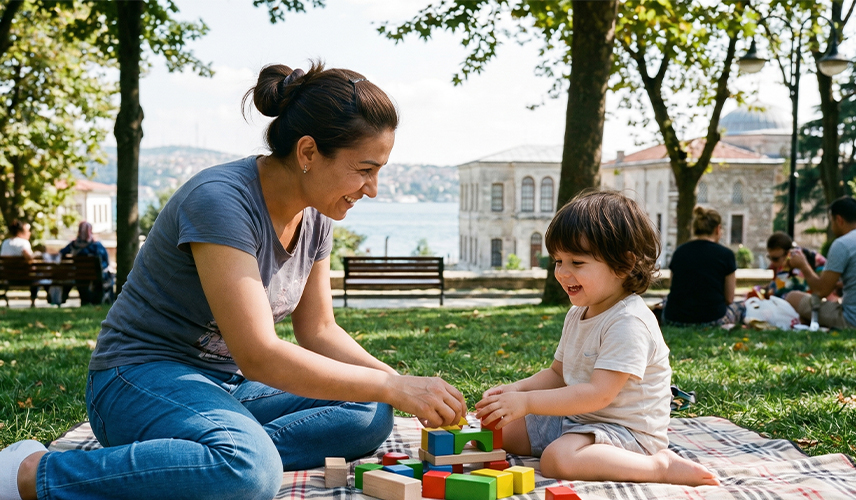
If you want your child to learn a foreign language at a young age, a caregiver who speaks a foreign language can be your greatest ally in achieving this goal. Children raised in a bilingual environment acquire a new language naturally and effortlessly, just as they learn their native language, through practice. This language acquisition process is as effortless and lasting as a sponge absorbing water. Therefore, if you want your child to learn English at a young age, the most suitable nanny profile in this field is the Filipino caregivers, who are widely preferred in many parts of our country and the world. Since English is one of the official languages in the Philippines, these caregivers generally possess a good command of English. This represents a significant investment in your child's future career, especially given that English is a global language.
-
Professional Approach and Cultural Richness: It is a common belief that foreign caregivers are more compatible with families and work more professionally compared to local caregivers. These caregivers, who come to work from abroad, usually act with greater consideration for the family's expectations and household rules. This situation prevents unnecessary conflicts within the family and creates a more peaceful environment. Thanks to a foreign caregiver, your child has the opportunity to experience not only a new language but also a different culture, new foods, and a different worldview. This enhances their cultural intelligence and contributes to their development as a global citizen.
-
Language Diversity: You are not limited to just Filipino caregivers. There are also foreign language-speaking Nepalese and Indonesian caregivers. Additionally, it is possible to find Turkish caregiver candidates who speak foreign languages and have strong references in this field. The important thing is the caregiver's level of language proficiency and the positive communication they establish with the child.
Should You Choose a Live-in or Daytime Caregiver?
The factors that create advantages or disadvantages between a live-in or daytime caregiver are generally related to the caregiver's personality traits and how clearly defined the job's scope is. Of course, the most important factor in this choice is your lifestyle and your expectations from the caregiver.
-
Advantages of a Live-in Caregiver: If you are a family that travels frequently or has a busy work schedule, a live-in caregiver can offer you great convenience. When you have vacation plans, your live-in caregiver can accompany you, allowing you to enjoy your holiday and the sun while they take care of your children. Additionally, if your child is of school age and you have a live-in caregiver, they can assist with your child's homework and projects, spending more quality time with them. A live-in caregiver also provides great assurance for emergencies or work meetings that extend late into the night.
-
Advantages of a Daytime Caregiver: If you enjoy being home alone and want to take care of your child in the evenings, and you value your personal space and privacy, a live-in caregiver may not be suitable for you. A daytime caregiver offers you this freedom. If you want to take care of your child after they return from school, a daytime caregiver is an ideal solution.
Things to Consider When Choosing a Foreign Nanny
When making a choice for a foreign nanny, there are many important points to consider beyond language proficiency.
-
Legal Status: The caregiver's work permit and legal status in Turkey must be checked. A caregiver working through illegal means can pose a risk to both your and your child's future.
-
Reference Check: It is very important to request references from families the caregiver has previously worked for and to check these references in detail. If possible, meeting face-to-face with the families they previously worked for will give you concrete insights about the caregiver's character, work ethic, and relationship with the child.
-
Trial Period: Always implement a trial period before making an agreement. This process is a vital opportunity to observe how well the caregiver adapts to your child and family.
In conclusion, choosing the right caregiver is closely related to your child's overall well-being, your family's dynamics, and your lifestyle, rather than focusing solely on a specific skill like a foreign language. A professional caregiver service will help you find the most suitable candidate to meet all these expectations.
Nanny and Caregiver Selection Other Content in the Category

Nanny and Caregiver Selection
İstanbul’da Endonezyalı Bakıcı Hizmeti

Nanny and Caregiver Selection
Why Should You Prefer Filipino Caregivers?

Nanny and Caregiver Selection
Endonezyalı Bakıcı Fiyatları 2026

Nanny and Caregiver Selection
Filipino Caregiver or African Caregiver?

Nanny and Caregiver Selection
Live-in Turkmen Caregiver

Nanny and Caregiver Selection
Why Should You Choose a Turkmen Caregiver?

Nanny and Caregiver Selection
Turkmen Caregiver or Uzbek Caregiver?

Nanny and Caregiver Selection
How to Find a Reliable Turkmen Caregiver?
Nanny and Caregiver Selection
Turkmen Caregiver Salaries

Nanny and Caregiver Selection
Daytime Turkmen Caregiver

Nanny and Caregiver Selection
Turkmen Caregiver Service in Istanbul

Nanny and Caregiver Selection
Turkmen Caregiver Prices 2026

Nanny and Caregiver Selection
Why Should You Prefer an African Caregiver?

Nanny and Caregiver Selection
African Caregiver or Filipino Caregiver?

Nanny and Caregiver Selection