
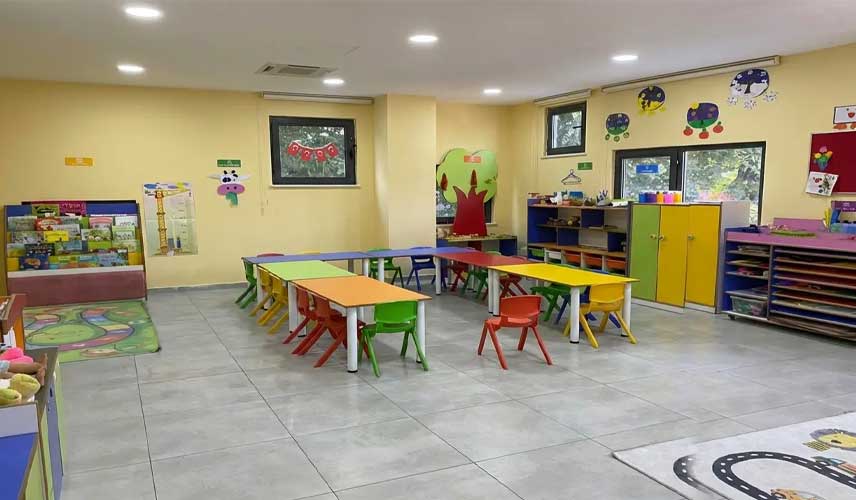
First Day at Preschool: 12 Tips to Ease the Transition
Starting preschool is an important milestone in a child's life. For some children, it is the first time they will be away from their parents for an extended period and interacting with a large group of other children. Children who have been cared for at home by a babysitter may be used to spending time with an adult other than their parents, but they will still need to adjust to a teacher and an environment outside of home. The first day of preschool and the days that follow can be stressful for parents as well, but with some preparations, it is possible to help children get ready for the situation.
First Day at Preschool
Things to Do in Advance
1. Prepare for a New Sleep Schedule
You may need to wake your child up earlier than usual. It would be good to get them accustomed to the new sleep schedule as soon as possible. Find out if the institution has its own sleep program or if individual sleep routines of the children are taken into account. This way, you can make arrangements accordingly.
2. Independence Practices
Being able to do some things independently can be advantageous for your child in the preschool environment. If a child can wash their hands and face or dress themselves, the teacher can focus on teaching them other skills and exploring their abilities. Therefore, you should teach your child things they can do on their own and give them opportunities to practice. This way, you will also encourage their independence, confidence, and creativity.
3. Visit the Institution / Meet the Teacher
It would be good to visit the institution with your child one or more times before the start day. Being somewhat familiar with the environment and the teachers will reduce the stress of the first day.
Meet the teacher, gather information, and provide tips about your child. If there are specific things to do when they wet their pants or feel upset, mention those. Preschool staff are usually good at keeping track of such things, but it would be helpful to inform them in advance about a comforting word or song that works for your child.
4. Talk to Your Child About This New Experience
Change can be frightening for people of all ages, and it can cause at least some anxiety even for adults. Therefore, talk to your child repeatedly about the new routine, explaining where they will go and why in age-appropriate sentences. Reading storybooks related to the topic, telling stories, and showing videos can also be helpful.
5. Separation Exercises
If your child is not used to being away from you for a few hours, the first day of preschool may be challenging for them, and this situation may continue for a while. You can try to get them accustomed to the process by arranging for a babysitter or a neighbor to take care of them while you go out for a while. They may not like it at first, but over time, they will likely get used to it, and seeing that you return each time will provide them with comfort and security.
6. Excite Your Child
Play games about preschool at home. Help them imagine situations like mealtime, nap time, and playtime at the institution, making it fun and exciting. Talk about the friends they will make and the things they will learn.
7. If Possible, Schedule Time for Potential Initial Difficulties
Your child may have issues with being away from you and adjusting to the environment during the first day and even the first week. If possible, look for ways to go to work later or give yourself more time in the mornings.
8. Establish a New Routine
Newly walking children love repetitive and predictable things. Creating and maintaining a morning routine that fits the preschool program helps prevent the stress of rushing and makes the process easier.
9. Items to Bring to Preschool
Make a list of items your child should have with them, such as spare clothes, a cup, tissues, and a water bottle, and obtain any missing items. It would be good to label these. Consult with the institution staff to get information about cleaning and stationery supplies and other items you need to provide.
Things to Do on the First Day
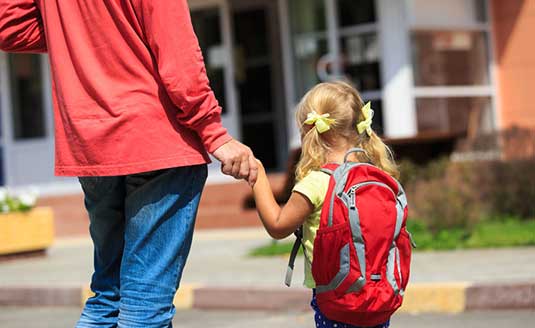
Even if you have prepared well for the first day of preschool, it will still be somewhat stressful for your child due to the unknown. The situation will likely be difficult for you as well, but try not to show this to your child. Ensure they get a good night's sleep and provide a hearty breakfast in the morning. This way, you can prevent any tension that may arise from hunger or fatigue.
10. When Dropping Off Your Child
Be quick when dropping off your child at preschool. We don't mean to just leave them and go, but have an idea of how you will leave them. Definitely do not disappear without saying goodbye; this can create a feeling of abandonment. Your child will likely cry, which is a normal reaction. Reassure them that you will be back shortly, and be sure to do this in a way they can understand. Even though young children may not have a developed sense of time, they do have a concept of routine. You can explain it in a way like, "I will be here after you do this."
Pay attention to the teacher's guidance; they likely know methods to calm anxious children. To help reduce your child's tears and get them to start having fun quickly, act as quickly as possible. After saying goodbye, do not come back. If your child is upset, you naturally want to comfort them, but returning can delay their calming down. A good teacher will step in to help them feel comfortable and get involved in what is happening in the classroom. It is important for your child to trust their teacher, and you should act in a way that fosters this trust.
11. Bring a Comfort Object
A small item that reminds them of home and helps them sleep can comfort little ones. This could be a toy, a blanket, or a comforter.
12. Be Patient, Understanding, and Strong
In the early days, there will be times when your child does not want you to leave. This is a normal reaction; children do not like the idea of being away from the person they are closest to, love the most, and feel unconditionally loved by. However, children are adaptable; if given time and understanding, they can adjust to new situations. As your child realizes that this new environment is safe and that the people there are there to support and care for them, things will become easier.
On the first day at preschool, children may experience significant separation anxiety. To avoid feeding this anxiety, you must control your tears, no matter how difficult it is, and appear calm and strong.
Child Development and Education Other Content in the Category

Child Development and Education
Ways to Develop Fine and Gross Motor Skills in Children
Child Development and Education
First Day at Preschool: 12 Tips to Ease the Transition

Child Development and Education
6 Tips for Success

Child Development and Education
8 Reasons for Attention Difficulties in Children

Child Development and Education
Problems and Solutions Regarding Homework
Child Development and Education
15 Life Skills Your Teen Should Acquire

Child Development and Education
35 Positive Messages Your Child Needs to Hear

Child Development and Education
10 Characteristics of Good Enough Parents

Child Development and Education
Child Development: The First 5 Years
Child Development and Education
7 Things You Need to Do to Raise a Well-Rounded Child

Child Development and Education
14 Effective Methods to Increase Children's School Success

Child Development and Education
8 Tips for Positive Parenting

Child Development and Education
10 Ways to Communicate Well with Your Child

Child Development and Education
How Does Changing Schools Affect Children?

Child Development and Education