
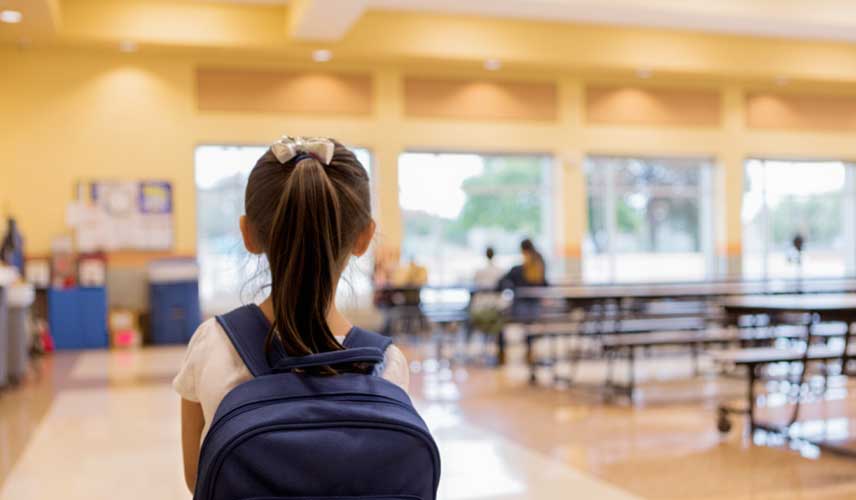
5 Measures to Take for School Fear in Children
Did you know that there is something called "school phobia in children"? If you haven't experienced it, you are lucky, because every year, some families with children starting school for the first time go through difficult days because of this. It is actually normal for a child who will be away from their family for the first time, will be left alone in an environment full of unfamiliar people, and will be away from their room and toys, to feel a bit excited and anxious. However, for some children, these worries can escalate to the level of fear. School fear in children can sometimes last for months and cause serious distress for both the child and their family.
This issue is primarily seen in children who are just starting kindergarten or primary school. Most children aged 3-4 who start preschool are not very aware of what is happening; they feel as if they are being taken out for a walk or to the park. For them, the first week of school is calmer compared to older children, but they may experience difficulties in the following weeks. Second and third graders are already accustomed to school; even if they face minor issues, it is usually related to having difficulty separating from the joy of vacation. To overcome this situation, it is necessary to act patiently, consciously, and consistently.
1. What is School Fear? What are its Physical and Psychological Symptoms?
School fear is a situation where a child avoids or refuses to go to school intensely, beyond normal separation anxiety. This is usually manifested by the following physical and psychological symptoms:
-
Physical Symptoms: Complaints such as headaches or stomachaches, nausea, loss of appetite, and vomiting. These symptoms are the child's physical expression of stress and may increase as the time to go to school approaches. On a day when the child stays away from school, these symptoms disappear.
-
Psychological Symptoms: Lack of joy, difficulty falling asleep, nightmares, fatigue, and panic attacks. These symptoms are reflections of the intense anxiety the child feels at the thought of going to school.
It is important not to ignore these complaints, but also to remember that they may be psychological. Forcing the child too much, making belittling remarks because of their fear, or showing examples of other children who do not behave this way often does not work and can even worsen the situation. To solve this problem, it is important to implement the 5 measures we outline below.
2. Parental Approach: Empathy, Determination, and Boundaries
-
Try to Empathize: Your child is reacting emotionally to a situation that changes their lifestyle and disturbs them, even if you try to prepare them verbally in advance. You need to try to understand them. Acknowledge their feelings by saying, "I know you are afraid of being alone at school." Encourage them to express what they are afraid of and do not belittle their fears. Say things that will comfort them. Inform them about the benefits of going to school (like making new friends, fun games). Make your child feel that this is not just their problem, but one that concerns the whole family.
-
Be Determined and Calm: It is not appropriate for parents to stay with their children all day on the first day of school. This makes it even harder for the child to get used to school. They need a chance to warm up to this environment and trust their teacher. Make sure they know that not going to school is not an option. If they are going to school in the mornings, do not ask questions like "How do you feel?" as this will give them an opportunity to complain. Clarify your morning routine and apply it consistently. If they spontaneously return home, send them back to school. Giving in to a child with school fear will make the problem even more unmanageable. You must be both calm and determined.
3. Collaboration and Communication with School Management
-
Inform the Authorities: If your child's classroom teacher or guidance counselor is aware of the situation, they can act accordingly towards your child and guide you on how to behave. Collaboration between the family and the teacher, along with the teacher adopting a consistent style, is important for solving this problem. The teacher can implement methods that will make the time the child spends at school easier and more enjoyable.
-
Investigate Their Complaints: Complaints from a child who has just started school about their friends, teacher, the position of their desk, or the classwork being boring or difficult may be excuses to avoid going to school, or they may not be. Do not ignore your child's complaints. Visit the school and observe, gather information from teachers or the guidance service. There may be underlying issues such as bullying, learning difficulties, or social adjustment problems.
4. When Should Professional Help Be Sought?
Fear of school is not an uncommon issue; it is normal to a certain extent, and many children go through this period. However, if months pass without any change, and the child's physical and emotional complaints seriously affect their daily life, do not waste time consulting a specialist. You may need to seek guidance or psychological counseling services. Experts can help identify the underlying causes of the child's anxiety and teach the family effective coping strategies.
5. Conclusion: Remember, This is a Team Effort
This problem is naturally more common and can be more severe in children whose parents are overly protective. The incidence is higher in girls compared to boys. It is also more common in children whose social life consists solely of their family until they start school or those who have lost a family member for some reason, as well as children living with divorced parents who are only attached to one. School success can be negatively affected by this situation. Try to understand your child, maintain a determined and calm stance, collaborate with school officials, and do not hesitate to seek professional help if necessary. Remember, successfully navigating this process is one of the most important steps you can take for your child's future confidence and social skills.
Child Development and Education Other Content in the Category

Child Development and Education
Ways to Develop Fine and Gross Motor Skills in Children
Child Development and Education
First Day at Preschool: 12 Tips to Ease the Transition

Child Development and Education
6 Tips for Success
Child Development and Education
8 Reasons for Attention Difficulties in Children
Child Development and Education
Problems and Solutions Regarding Homework
Child Development and Education
15 Life Skills Your Teen Should Acquire

Child Development and Education
35 Positive Messages Your Child Needs to Hear
Child Development and Education
10 Characteristics of Good Enough Parents

Child Development and Education
Child Development: The First 5 Years
Child Development and Education
7 Things You Need to Do to Raise a Well-Rounded Child

Child Development and Education
14 Effective Methods to Increase Children's School Success

Child Development and Education
8 Tips for Positive Parenting
Child Development and Education
10 Ways to Communicate Well with Your Child

Child Development and Education
How Does Changing Schools Affect Children?

Child Development and Education