
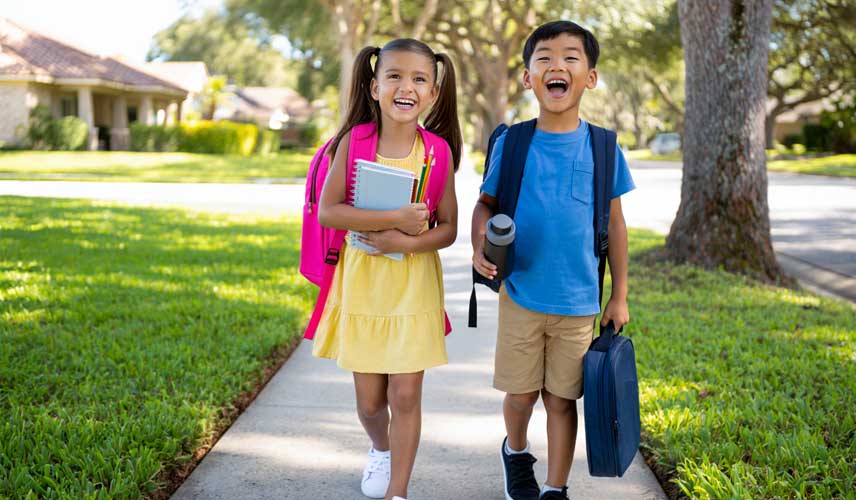
Adjustment Process to School for Beginners
Starting primary school is one of the most significant transition periods in a child's life. The differences between the family environment and the school environment can sometimes lead to a smooth adjustment process for children, while at other times it can be problematic. Not every child adapts to school in the same way. Children who are overly sheltered by their parents tend to face more difficulties in this regard. Traumatic events, such as the recent death of a family member, can also lead to a painful adjustment process. If the family environment is tense and there are constant conflicts, the child's mind may remain at home, and they may fear not finding their mother or father when they return home. Sometimes, a child who is very disturbed by the negative environment at home may feel better at school. Ultimately, while adjusting to school is not always easy for happy and content children without significant issues, it is even more challenging for those facing the problems mentioned. The attitude of parents is extremely important for children to succeed in adapting to their educational life.
Adjustment Process to School and School Anxiety
Beginnings in life are almost always two-sided: a person feels both excitement and anxiety. A child's start to primary school is an important change for both themselves and their family. A child who will begin to spend a certain part of the day away from home, separate from their parents, in a place very different from their home environment, is expected to take on new responsibilities and follow new rules, so it is quite natural for them to feel anxious and even experience school anxiety to some extent. Under normal circumstances, this situation ends without taking too long, and the child begins to adjust to school. However, for children who have not made any progress even after weeks, it may be necessary to seek professional support. You should not wait too long thinking, "They will get used to it one day," as children who experience prolonged issues during the adjustment to school process may fail in their lessons, which can negatively affect their educational life in the future.
The Impact of Over-Attachment and Family Attitude
If you are a mother who does not leave your child for even a moment, meets all their needs, and says "Yes" to everything they want, it may be more difficult for your child to adjust to school compared to a child who has become more independent, taken on more responsibilities, and is accustomed to hearing "No." The bond of love between mothers and their children is one thing, while over-attachment is another; the latter can lead to problems in situations like this. An overly protective attitude dulls the child's ability to solve problems independently and prevents them from interacting safely with the outside world. To build the child's self-confidence, they need to be allowed to explore on their own and deal with some problems independently.
How Can You Help Your Child Adjust to School?
-
Exhibit a Calm and Reassuring Attitude: First and foremost, you need to behave calmly and avoid creating dramatic separation scenes. Children understand when their parents are anxious, and this anxiety can be contagious. Say goodbye clearly and briefly at the moment of separation, hug them, and remind them that you will pick them up at the end of the day. A reassuring smile and a firm stance will help your child feel more secure.
-
Create Positive Thoughts: Encourage your child to dream about school and school life, and to be curious about this new environment and change in their life. Tell them they will make new friends, play different games, and learn interesting things.
-
Involve Them in the Preparation Process: You will be buying school supplies for them and gradually starting to turn their room into a student's room. Offer them options while shopping and organizing their room, and ask for their opinion. This will help them take ownership of the process and develop positive feelings towards school.
-
Utilize Storybooks: Get books that tell stories about starting school and read them together with your child. If necessary, also read stories related to the issues faced during the adjustment to school process. These stories that end positively will boost their morale and make them feel they are not alone.
-
Use the Gradual Separation Method: While some school officials may prefer this method, it is not right to just leave a very anxious, crying child on the first day of school. If your child is very reactive to you leaving them at school, gradually distance yourself from the school by talking to the administrators. Starting with short visits in the first days and gradually extending the time can be beneficial.
-
Provide Information and Answer Their Questions: Give your child detailed information about school and answer all their questions. Explain how long they will spend at school, what time lunch is, what subjects they will have, and how long the breaks will last with concrete examples. Uncertainty increases anxiety.
-
Show Your Determination (But Don't Be Harsh): Make sure they understand that you do not consider not going to school as an option and that you are quite determined about this. If they cause problems, do not express this determination in a harsh and hurtful way. You should act calmly, understandingly, and gently, but they should never hope that you will give up sending them to school. Understanding your child but not yielding to their weaknesses is the most critical point of this process.
-
Empathize, Don't Compare: Do not create the feeling that you prefer a child who does not cause problems or that you like them more by comparing them. Never mock your child's fear. On the contrary, tell them you understand and have convincing conversations about how this feeling is temporary. For example, you can support them by saying sentences like, "Starting something new can be scary, I understand you. I felt similar things when I started my first job. But I am sure everything will be fine over time."
Child Development and Education Other Content in the Category

Child Development and Education
Ways to Develop Fine and Gross Motor Skills in Children
Child Development and Education
First Day at Preschool: 12 Tips to Ease the Transition

Child Development and Education
6 Tips for Success

Child Development and Education
8 Reasons for Attention Difficulties in Children
Child Development and Education
Problems and Solutions Regarding Homework

Child Development and Education
15 Life Skills Your Teen Should Acquire

Child Development and Education
35 Positive Messages Your Child Needs to Hear

Child Development and Education
10 Characteristics of Good Enough Parents

Child Development and Education
Child Development: The First 5 Years
Child Development and Education
7 Things You Need to Do to Raise a Well-Rounded Child

Child Development and Education
14 Effective Methods to Increase Children's School Success

Child Development and Education
8 Tips for Positive Parenting

Child Development and Education
10 Ways to Communicate Well with Your Child

Child Development and Education
How Does Changing Schools Affect Children?

Child Development and Education