
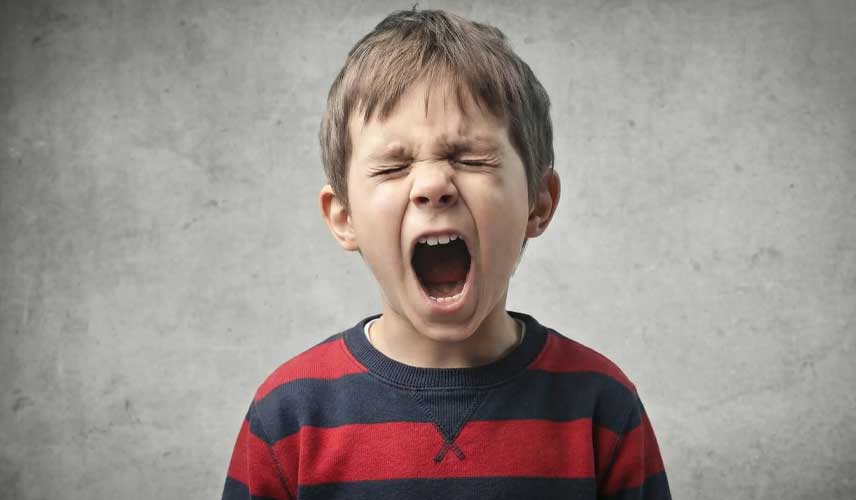
Behavioral Disorders Observed in Students During the Educational Period
The primary aim of education provided in our country and around the world is to raise individuals who are beneficial, harmonious, and successful members of society. However, this goal may not always yield the desired results. Throughout the educational period, students may exhibit certain behavioral disorders. Since the root cause of this situation is often unknown, it can be unconsciously repeated and become a habit. Such behavioral disorders typically emerge as symptoms of underlying emotional or social issues. In this article, we will discuss the most common behavioral disorders seen in children during the educational period and the possible underlying reasons for them, aiming to guide parents and educators. The main symptoms of these behavioral disorders include jealousy, lying, and swearing.
Jealousy: Sense of Equality and Value
Jealousy is a common issue, especially among elementary school students. It arises when a student feels that another student is superior or is given special privileges. This situation stems from the child's feelings of inadequacy and their need for love or approval. The student may try to undermine the friend they are jealous of by complaining to the teacher about their every action or making negative comments about them, hoping to diminish the friend's standing in the teacher's eyes and thus solidify their own position.
The solution to this problem is not limited to the teacher treating all students equally. The real solution is to make each student feel their individual value. It is vital for the teacher to establish one-on-one and sincere relationships with their students at this point.
-
Empathy and Understanding: The teacher should try to understand the feelings of the jealous student and encourage them to express their feelings with phrases like, "It seems like you are a bit upset, aren't you?"
-
Positive Reinforcement: Every child has different talents and strengths. Instead of comparing children to each other, the teacher should praise each child's individual achievements and efforts, such as praising one student's drawing ability and another's success in mathematics.
-
Collaboration-Focused Environment: Instead of creating a competitive environment in the classroom, collaborative projects and group work should be encouraged. This helps students recognize each other's strengths and learn from one another.
Lying: Trust and Communication-Based Solutions
The tendency to lie is a behavioral disorder exhibited by many elementary school students. The primary reason for this is the fear of punishment stemming from authority. A student who is late to school may start lying by making up excuses out of fear of being punished or disappointing the teacher. This behavior is actually a coping mechanism for the stressful situation the child is in.
To solve this problem, school administrators and teachers need to avoid a system that puts pressure on students and creates fear.
-
Creating a Trusting Environment: It is important for the student to know that they will be approached with trust even when they tell the truth. Instead of punishment, an approach focused on understanding the root of the problem should be adopted.
-
Establishing Empathy: Instead of asking a lying student, "Why were you late?" questions like, "I understand what happened to you. What can we do to avoid being late again?" should be asked to focus on solutions.
-
Truthfulness and Its Consequences: The child should be calmly and honestly informed that while lying may solve a problem in the short term, it can damage trust relationships in the long run. The ethical dimensions of lying can be explained through stories or case studies.
Swearing: Understanding the Underlying Causes
Swearing is a common behavioral disorder observed in students of all ages. This behavior is often an expression of underlying anger, frustration, or feelings of inadequacy. A student who feels threatened, is excluded by peers, or struggles to express their emotions may resort to swearing out of frustration.
-
Filling Emotional Void: Swearing is often a way for children to fill an emotional void or seek a sense of power. It may be a method they resort to when they cannot express their feelings with the right words.
-
Influence of Social Environment: The act of swearing is often influenced by interactions from the social environment. There are usually individuals who swear around the student who swears. However, the solution to this problem is not to isolate the student from this environment, as it may make them feel even more excluded. Instead, it is more appropriate to strengthen their social skills and guide them to form positive friendships.
-
Learned Behavior: Swearing can also be a behavior learned from the family environment. In this case, parents need to be mindful of their own speech and serve as good role models for their children.
To solve this problem;
-
Expanding Vocabulary: Help the student find alternative words to express emotions like anger and frustration.
-
Setting Boundaries: Clearly explain why swearing is unacceptable in both school and home environments and establish consistent rules.
-
Establishing Empathy: Try to understand the situations that lead the student to swear and provide support.
Common Causes of Behavioral Disorders and Preventive Approaches
The behavioral disorders mentioned above are often interconnected and stem from similar underlying causes.
-
Need for Attention: Bad behavior can sometimes be a way for a child to seek attention. A child who does not receive positive attention may perceive negative attention as a reward.
-
Family Environment Issues: Conflicts within the family, inconsistent rules, or lack of communication can directly affect children's behavior.
-
Low Self-Esteem: Children with low self-confidence may exhibit aggressive or jealous behaviors to assert superiority over their peers.
To prevent such behavioral disorders:
-
Consistent Rules and Boundaries: Establishing consistent and clear rules at both school and home helps the child understand what is acceptable and what is not.
-
Open Communication: Parents and teachers should maintain regular and open communication with children. A safe environment should be provided where children can freely express their feelings and thoughts.
-
Positive Reinforcement: Good behaviors and achievements of children should be appreciated and rewarded. This increases their self-confidence and encourages them to repeat positive behaviors.
In conclusion, the behavioral disorders exhibited by students during the educational period should not be seen merely as "bad behaviors." They are often signals of underlying emotional or social needs. As parents and educators, we must be able to read these signals correctly and guide children with an empathetic and supportive approach. Remember that approaching with patience and understanding is the most effective way to overcome these issues.
Child Development and Education Other Content in the Category
Child Development and Education
Ways to Develop Fine and Gross Motor Skills in Children
Child Development and Education
First Day at Preschool: 12 Tips to Ease the Transition

Child Development and Education
6 Tips for Success
Child Development and Education
8 Reasons for Attention Difficulties in Children
Child Development and Education
Problems and Solutions Regarding Homework
Child Development and Education
15 Life Skills Your Teen Should Acquire
Child Development and Education
35 Positive Messages Your Child Needs to Hear
Child Development and Education
10 Characteristics of Good Enough Parents
Child Development and Education
Child Development: The First 5 Years
Child Development and Education
7 Things You Need to Do to Raise a Well-Rounded Child
Child Development and Education
14 Effective Methods to Increase Children's School Success
Child Development and Education
8 Tips for Positive Parenting
Child Development and Education
10 Ways to Communicate Well with Your Child

Child Development and Education
How Does Changing Schools Affect Children?

Child Development and Education