
How to Choose the Right Toy for a Child?
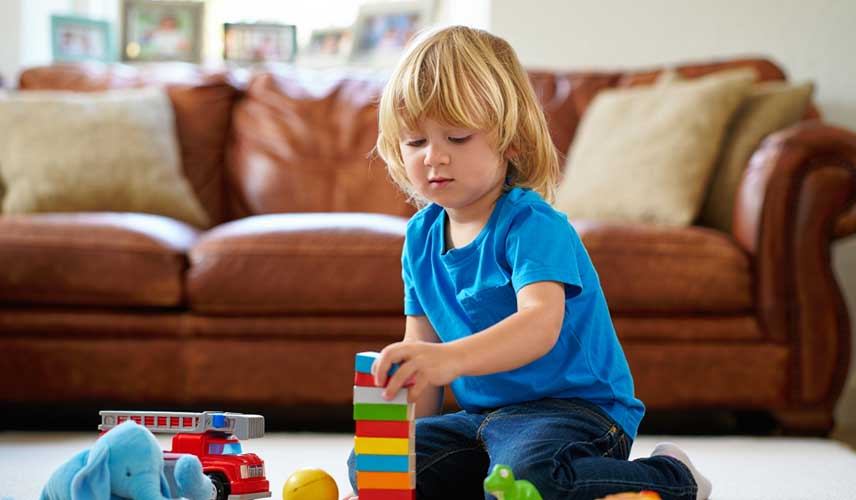
Some parents find spending money on toys somewhat unnecessary, believing that the abundance of toy varieties in the market is a kind of money trap. To some extent, this is true; so many options can whet children's appetites, making them want everything they see. If you say "no," they may cause problems, and if you give in to their every wish, they can become insatiable. However, toys are never completely unnecessary. The right toy selection has a significant impact on children's development, and it is up to you to set limits on purchases. Toys stimulate children's creativity, help develop their imagination and skills, and allow them to learn concepts like size and color. Toys with different features are also beneficial for intellectual development in children. However, we are not talking about random toys or items purchased solely for their fancy appearance; toys must be carefully selected to have these positive effects on children.
Why Are Toys Important? Their Contributions to Development
Toys are the most important tools for a child to explore the world and develop basic skills.
-
Creativity and Imagination: A simple block or doll can ignite a child's imagination. It can be a box, a castle, or a car. These imaginative games develop children's abstract thinking and problem-solving skills.
-
Motor Skills: Toys help children develop both fine and gross motor skills. Holding a small block enhances fine motor skills, while riding a bike or throwing a ball strengthens gross motor skills.
-
Cognitive Development: Toys like puzzles, shape-matching games, and blocks enhance children's cognitive abilities such as logical reasoning, sequencing, and spatial perception.
Choosing Toys by Age: Stages of Child Development
For children aged 0-3, toys are generally chosen by parents, but after this age, children begin to prefer toys they are interested in and want to acquire. It is important to respect children's preferences, but you should still consider age appropriateness.
-
Infants 0-6 Months: Babies in this period are sensitive to shapes, colors, and forms. Therefore, toys should stimulate their visual and auditory senses. Toys that move and make sounds (like mobiles) around the crib are suitable for this period.
-
Infants 6-12 Months: Babies start reaching for objects and bringing them to their mouths during this period. Toys can include picture rattles, medium-sized rubber dolls, push-pull toy animals, vehicles, and large colorful shapes that can fit into a box.
-
Infants 12-24 Months: Babies' curiosity and inventiveness peak. It is necessary to choose toys that can be ridden, pushed, pulled, make sounds, and soft plush animals. Blocks and boxes that they can build, combine, and separate are appropriate during this period.
-
Children Aged 2-4: This period marks the beginning of imaginative play and role-playing. When choosing toys, focus on dolls, puppets, kitchen-carpentry-cleaning tools, gardening tools, doctor kits, hairdresser sets, and toy phones. Legos, puzzles, crayons, and chalk are also suitable for this age.
-
Children Aged 4-6: During this period, children develop socially and begin to form a circle of friends. Their interests lean towards outdoor games, board games, cutting-pasting activities, and creating shapes from materials. Activity materials aimed at fine motor skills are ideal for 5-year-olds. Interest in imaginative play increases at age 6, and the ability to imitate peaks. Toy sets containing tools related to various professions attract the interest of children in this period. Children experience rapid physical and social development during this time; therefore, it is appropriate to frequently take them outdoors and provide toys like balls, ropes, and hoops, as well as bicycles and skates. Various reading materials, such as interactive books, are also suitable for preschool children.
General Rules to Consider When Choosing Toys
-
Safety and Material: When buying toys, pay attention to the healthiness of the material. Avoid toys with small parts that pose a choking hazard, especially for children under 3 years old. Ensure that toys have safety certifications like CE.
-
Durability: Prefer sturdy and long-lasting toys over those that frequently break. This not only protects your budget but also reduces environmental impact.
-
Limitation and Control: Do not buy every toy that children want. Teach them that toys have value and that they cannot always have everything. Too many toys can lead to distraction and a sense of insatiability in children.
In conclusion, choosing the right toy for a child is one of the most important investments in their development. The right toy not only provides entertainment but also stimulates a child's curiosity, nurtures their creativity, and helps them acquire essential skills they will use throughout their lives. Remember, the best toy is the one that most nourishes your child's imagination and allows you to interact with them.
Child Development and Education Other Content in the Category

Child Development and Education
Ways to Develop Fine and Gross Motor Skills in Children
Child Development and Education
First Day at Preschool: 12 Tips to Ease the Transition

Child Development and Education
6 Tips for Success

Child Development and Education
8 Reasons for Attention Difficulties in Children

Child Development and Education
Problems and Solutions Regarding Homework

Child Development and Education
15 Life Skills Your Teen Should Acquire

Child Development and Education
35 Positive Messages Your Child Needs to Hear
Child Development and Education
10 Characteristics of Good Enough Parents
Child Development and Education
Child Development: The First 5 Years
Child Development and Education
7 Things You Need to Do to Raise a Well-Rounded Child

Child Development and Education
14 Effective Methods to Increase Children's School Success

Child Development and Education
8 Tips for Positive Parenting

Child Development and Education
10 Ways to Communicate Well with Your Child

Child Development and Education
How Does Changing Schools Affect Children?

Child Development and Education