
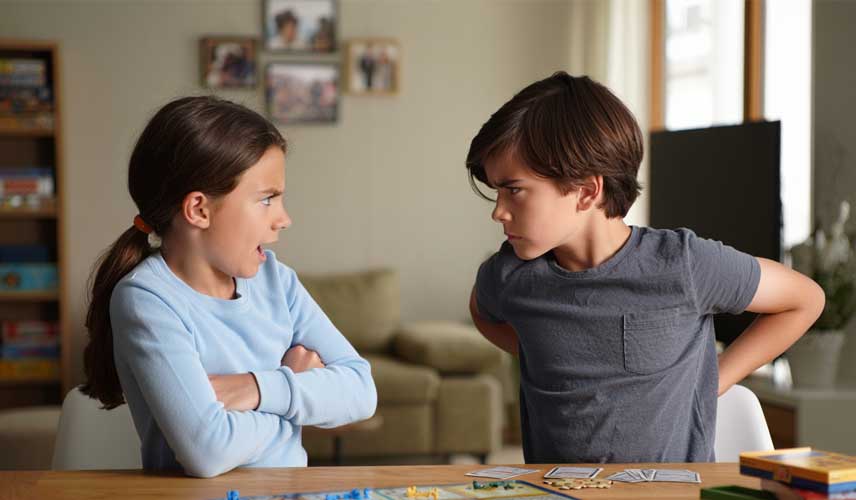
How to Prevent Sibling Jealousy?
Jealousy, a natural and universal emotion, can make a person unhappy, especially when it is at an above-normal level, and can sometimes lead to wrong, destructive behaviors. Although this is a very broad topic, in this article, we will examine the issue specifically in terms of sibling jealousy in children. The situation where the older child perceives the newly born sibling as a rival or an unwanted partner can sometimes reach quite disturbing dimensions. The older child, who has been the sole focus of their parents' love, attention, and affection until that day, may struggle to accept the sharing of this love, leading to behaviors such as hitting or hurting the newborn baby.
Psychological Roots of Sibling Jealousy and the Periods When It Is Most Intense
The periods when sibling jealousy is most intense are generally between the ages of 3-8, as children analyze life more through emotions than logic during this time. For a baby or a small child, all the attention and love from their parents is one of the most basic needs for survival. The arrival of a new sibling can deeply shake the child's world by triggering the fear that this attention will be divided. This situation can lead to deep emotional reactions such as the fear of losing the "throne" of being the only loved one, insecurity, and abandonment anxiety. While some children openly express their jealousy through anger, aggression, or crying fits, others try to suppress this feeling by showing excessive interest in their sibling or regressing to babyish behaviors (such as thumb sucking or bedwetting). In both cases, these behaviors are an expression of the complex emotions the child is experiencing.
Steps to Prevent Sibling Jealousy
Parents who want to prevent sibling jealousy should first accept that this emotion is completely natural and should never judge or punish their children for their jealousy. It is unrealistic to expect the older child to welcome this new "guest" who takes away some of the love and attention they are used to with great pleasure. Even if they say they want a sibling, they may still struggle to cope with this situation. Here are some effective strategies you can implement to manage and minimize sibling jealousy:
1. Preparation Process for the New Baby:
The best way to prevent sibling jealousy is to start preparations long before the baby is born.
-
Involve Them in the Process: Include the older child in the pregnancy process. Look at ultrasound images together, let them touch your belly, and allow them to feel the baby's movements. Choose gifts for the sibling together. This strengthens their sense of belonging.
-
Be Open and Honest: Honestly explain to your child that their lives will change somewhat, but there will never be a decrease in your love for them. Create realistic expectations by explaining that the baby is very small and helpless for now and cannot run or play like them.
-
Be a Role Model: Utilize books and cartoons. Read stories that depict sibling relationships and show how the characters help each other.
2. Post-Birth Period: Special Attention and Reassurance:
The arrival of the baby at home is the biggest test in the older child's life. Showing them special attention during this period is the most critical way to manage feelings of jealousy.
-
"My Time" Routine: Create an uninterrupted "my time" routine that is special for your older child every day. Even if it is just 15 minutes, make sure they feel that all your attention is on them at that moment. Play games together, chat only with them, or read their favorite book.
-
Get Help: The mother will have to spend extra time for the new baby for a while and will have to reduce some social activities shared with the older child. This situation can fuel feelings of sibling jealousy. At this point, the father, a relative of the family, or a professional babysitter should step in. Maintaining the older child's routine with school, parks, or friends will concretely show that your love and attention for them have not changed.
3. Behavioral Approaches: Positive Support and Boundaries:
It is not a correct approach to constantly remind the older child that they are now a brother or sister and expect them to take on responsibilities beyond their age. After all, they are still a child and need attention and playtime too.
-
Assign Small Roles: Give the child simple and appropriate tasks regarding taking care of their sibling. Small helps, such as asking them to bring a diaper for the baby or encouraging them to sing to the baby, will make them feel important and valued.
-
Validate Their Feelings: Instead of ignoring or punishing your child's feelings of jealousy, validate these feelings. Use expressions like, "I understand that your sibling getting attention made you angry. It can be hard to get used to a new person. But remember, I love you very much," to make them feel that their feelings are normal.
-
Never Compare: Avoid making comparisons between siblings. Phrases like, "Look how well-behaved your sibling is," fuel feelings of competition and hostility. Emphasize that each child has their unique abilities and personality.
4. Coping with Difficult Situations:
Unless there is physical violence against the sibling, it is important not to intervene immediately in small disputes and arguments between siblings. This helps them develop their problem-solving skills among themselves. However, if a child hurts their sibling or causes them harm, parents should not react with panic or excessive response, but should warn the child in a clear and firm manner without being harsh: "I will never allow you to harm your sibling. It is my duty to protect both you and them." If this boundary cannot be set clearly enough or if some things are overlooked due to feelings of guilt towards the older child, the baby may suffer as a result.
When to Consult a Specialist?
If there is an overwhelming jealousy situation in the older child that is difficult to manage, or if there is a noticeable regression in the child's behavior (such as not wanting to go to school, avoiding social relationships, bedwetting), the necessary step is to consult a child psychologist. Seeking help from a specialist supports the child's emotional health and guides the family in applying the right strategies. Remember, coping with these feelings is a process, and each child may take different amounts of time to get through this process. The most important thing is to make each child feel their unique and irreplaceable place within their family.
Practical Information for Parents Other Content in the Category

Practical Information for Parents
4 Tips for an Affordable Summer Vacation

Practical Information for Parents
10 Things to Do to Start the Day Fresh

Practical Information for Parents
What is Somatization Disorder and What Are Its Symptoms?
Practical Information for Parents
Good News for Working Mothers: Nursery and Caregiver Support
Practical Information for Parents
10 Ways to Deal with a Mischievous Child

Practical Information for Parents
What is Time Management and How to Do It?

Practical Information for Parents
The Importance of a Good Night's Sleep for Children and Adults
Practical Information for Parents
Screen-Free Family Activities Against Internet Addiction Risk

Practical Information for Parents
Ways to Start the Day Fresh
Practical Information for Parents
5 Tips for Being a Better Parent

Practical Information for Parents
What Does a Gardener Do?

Practical Information for Parents
About Mother's Day
Practical Information for Parents
How to Prevent Sibling Jealousy?

Practical Information for Parents
Suggestions to Help You Choose a Mother's Day Gift
Practical Information for Parents