
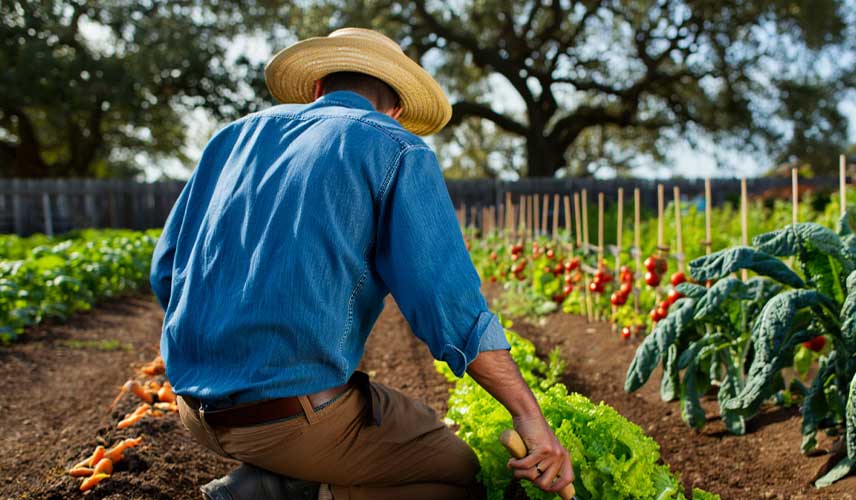
What Does a Gardener Do?
Everyone knows that a gardener is generally someone who deals with garden work, but when you need such a person for your home, farm, workplace, villa, or summer house, the situation changes a bit. When you post a "Gardener wanted" ad, you are looking for someone who is skilled and/or trained in this regard, as well as trustworthy and hardworking. Gardening is not just a profession that requires physical labor; it is also an art that requires botanical knowledge, aesthetic understanding, and meticulous work discipline. In this article, we will detail the job description of a gardener, the qualities they should possess, and what to pay attention to when looking for a gardener.
Basic Duties of a Gardener
What does a gardener do? The answer to this question is much broader than one might think. A gardener prepares the soil they are responsible for, making it suitable for planting and sowing. They clear the soil of foreign plants and harmful elements. They prepare the plants and seeds to be planted, marking where to plant them before proceeding with the planting.
-
Soil Preparation and Maintenance: Tilling the soil, adding necessary natural and chemical additives, aerating the plants, and mowing the grass are also among the gardener's duties. A gardener maintains the health of the soil and increases its productivity.
-
Plant Care and Pruning:A good gardener knows what needs to be done to keep the land they are responsible for healthy, fertile, and aesthetically pleasing. They know which plants and trees need to be pruned and do this at the right time using the right tools. Pruning is vital for maintaining the health of the plant and ensuring better growth.
-
Landscaping and Aesthetics:A landscaping gardener not only keeps the garden alive but also creates an aesthetic arrangement. Leveling the soil, preparing the planting mix, shaping the plants, and making seasonal plant selections are among the tasks that landscaping gardeners must perform.
Characteristics that Distinguish a Good Gardener
It is not enough for a gardener to just understand soil; this profession requires a special set of skills and character traits.
-
Professional Knowledge and Skills: A landscaping gardener should be someone interested in geographical elements and events, especially climate and soil, and involved in activities related to the cultivation and care of plants. Knowing which plant grows in which soil and what diseases it may encounter is a sign of professionalism.
-
Aesthetic Sense and Creativity:A gardener not only organizes a garden but also designs it like an artist. By establishing a balance of color, texture, and size, they create a visually pleasing and calming environment.
-
Patience, Meticulousness, and Discipline: Gardening is a slow and patience-requiring job. Waiting for a seedling to grow, removing weeds one by one, or regularly watering plants requires meticulousness and discipline.
-
Planning and Time Management:A gardener should be able to plan and manage the tasks they are responsible for and use their time efficiently. Knowing when to do which task ensures that the garden remains healthy and well-maintained throughout the year.
Gardener's Equipment and Responsibilities
A gardener's job description is not limited to growing plants. They are also responsible for the maintenance of the tools and machines they use.
-
Basic Hand Tools: Gardeners perform their work using many tools such as axes, hoes, knives, shovels, wheelbarrows, hand sprayers, pruning shears, sickles, buckets, spades, and saws.
-
Motorized Machines and Equipment: Depending on the nature of their work, they also use machines and equipment such as water pumps, garden tractors, backpack sprayers, chainsaws, lawnmowers, and misting machines.
-
Tool Maintenance:A gardener is also responsible for the cleaning and maintenance of the tools and machines they use. Rusty or poorly maintained tools can reduce the quality of work and harm the plants.
Things to Consider When Looking for a Gardener
If you are looking for a gardener for your home, workplace, or summer house, you can follow the steps below to find the right person.
-
Detailed Job Description: When preparing your ad, specify all the tasks you expect (mowing, tree pruning, spraying, etc.) completely.
-
Experience and References: Obtain references from the candidate's previous workplaces and try to verify their experience.
-
Legal and Professional Process: Working with a company that provides gardening services or a reliable consulting agency provides you with legal assurance and helps you reach more qualified candidates.
Seasonal Garden Care
A good gardener not only plants seasonally appropriate plants but also knows the special care needs that each season brings. Gardening is an art that respects the cycles of nature and works in harmony with them.
-
Spring: This is the season when the garden comes back to life. The gardener aerates the soil, removes the traces of winter, and prepares the soil for new seeds or seedlings. Pruning and fertilizing activities intensify during this period.
-
Summer: The most important task in the summer months is watering. The gardener adjusts the watering times and methods to meet the water needs of the plants correctly. Fighting weeds and supportive spraying for plant growth are also part of this period's routines.
-
Autumn: The garden prepares for winter. The gardener prunes trees in the autumn, cleans fallen leaves, and takes necessary precautions to protect the plants from cold weather.
-
Winter: Although work seems to decrease in the winter months, the gardener's responsibilities continue. Snow removal is done, plants are protected from frost, and all tools are maintained and repaired.
Sustainable Gardening and Environmental Awareness
Modern gardening is concerned not only with the aesthetics of the garden but also with environmental responsibility. Sustainable gardening methods preserve the health of the garden while ensuring efficient use of natural resources.
-
Water Conservation: The gardener can suggest solutions such as drip irrigation systems or rainwater harvesting methods to use water more efficiently. This not only saves you money on your water bill but also reduces your impact on the environment.
-
Composting: Organic waste from the home (fruit and vegetable peels, coffee grounds, etc.) can be composted and used as natural fertilizer in the garden. This reduces waste and improves soil health without the need for chemical fertilizers.
-
Natural Pest Control: Instead of using chemical pesticides to combat pests in plants, using natural methods (such as nettle water, garlic water) protects the ecosystem in your garden and creates a safer environment for your family and pets.
Practical Information for Parents Other Content in the Category

Practical Information for Parents
4 Tips for an Affordable Summer Vacation

Practical Information for Parents
10 Things to Do to Start the Day Fresh

Practical Information for Parents
What is Somatization Disorder and What Are Its Symptoms?

Practical Information for Parents
Good News for Working Mothers: Nursery and Caregiver Support

Practical Information for Parents
10 Ways to Deal with a Mischievous Child

Practical Information for Parents
What is Time Management and How to Do It?

Practical Information for Parents
The Importance of a Good Night's Sleep for Children and Adults

Practical Information for Parents
Screen-Free Family Activities Against Internet Addiction Risk

Practical Information for Parents
Ways to Start the Day Fresh

Practical Information for Parents
5 Tips for Being a Better Parent
Practical Information for Parents
What Does a Gardener Do?

Practical Information for Parents
About Mother's Day

Practical Information for Parents
How to Prevent Sibling Jealousy?

Practical Information for Parents
Suggestions to Help You Choose a Mother's Day Gift

Practical Information for Parents