
School Phobia in Children
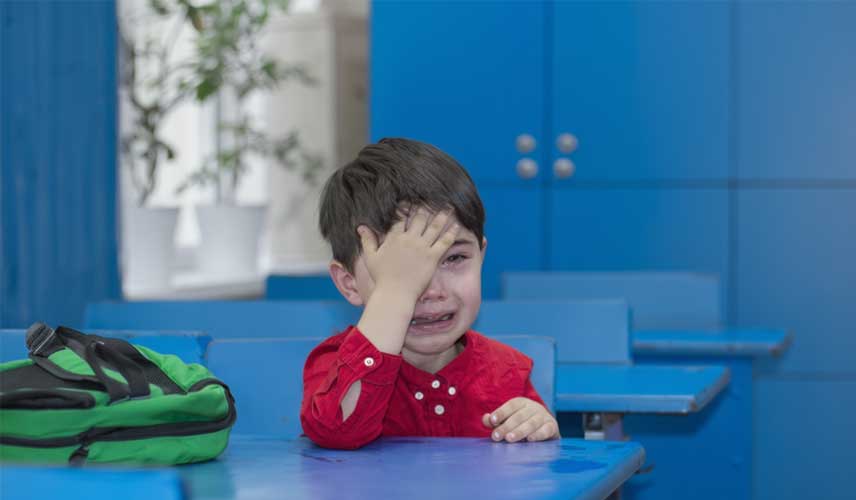
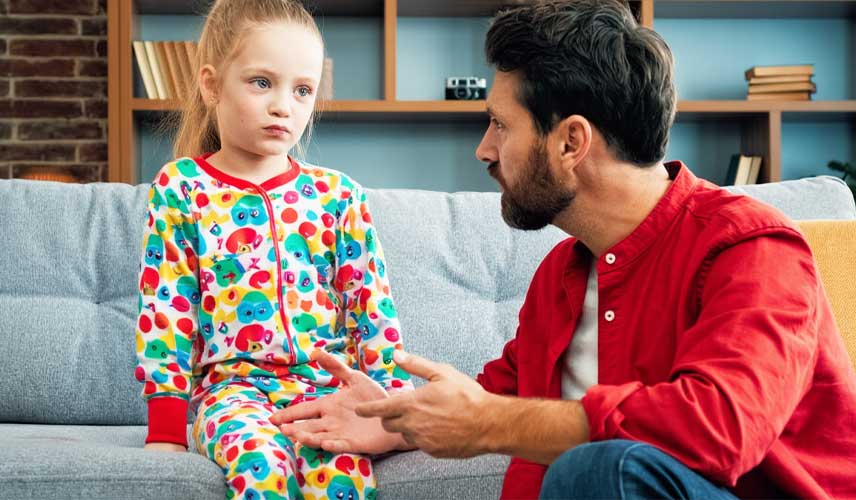
Today, situations such as children not wanting to be separated from their parents and arguing with their families are some of the symptoms of school phobia. School-aged children often refuse to go to school with excuses like stomachaches and headaches. In fact, these pains, while not real, are psychologically based. In this article, we will provide you with the necessary information to eliminate the concept of school phobia for children who do not want to go to school with family support.
What is School Phobia and What Are Its Symptoms?
School phobia is the intense and irrational fear of going to school, leading the child to refuse to attend or show significant resistance. This situation is much more serious than simply disliking school or being unable to detach from holiday enjoyment, and it often manifests with physical symptoms. For children who are just starting school, the fear of separation from their family and entering an unknown environment is quite natural. However, if this fear persists for weeks or months, it may have developed into a phobia.
-
Psychological and Behavioral Symptoms: Not wanting to be separated from parents, arguing, crying fits, and refusing to go to school are the most common behaviors. The child prefers to stay at home because they feel insecure and vulnerable. They may also exhibit symptoms such as lack of joy, difficulty falling asleep, and nightmares.
-
Physical Symptoms: As the time to go to school approaches, the child may experience complaints such as stomachaches, nausea, and headaches. When they are away from school, these complaints disappear. This indicates that the pains are not physical but psychologically based, and it is one of the most evident signs of school phobia.
In-Depth Causes of School Phobia
The primary cause of school phobia is the child's reluctance to be separated from their parents. However, there are other underlying reasons for this situation.
-
Overly Anxious Family Attitude: An overly protective and anxious parent may give the impression that the outside world is a dangerous place for their child. This causes the child to feel weak and vulnerable when they step outside the home. Additionally, the anxiety that mothers feel when sending their children to school reflects onto the children. Thus, the child may believe that their mother's concerns are justified and strive to avoid going to school.
-
Changes Within the Family: Situations such as the birth of a new sibling, parental divorce, or the loss of a family member can also trigger school phobia. The child may feel discomfort due to anxiety stemming from their parents spending time with the new sibling or changes within the family while at school.
-
Problems Arising from the School Environment: School phobia can also emerge after starting school. A child who experiences negative behaviors and reactions from classmates or teachers will likely not want to go to school. Bullying (peer bullying), conflicts with a teacher, or learning difficulties can also lead the child to develop a negative attitude towards school.
Effective Solutions for Parents
Dealing with school phobia is a situation that families can manage, and it can be resolved with the right approach.
-
Empathize, but Set Boundaries: Try to understand your child's feelings. Acknowledge their emotions with statements like, "It's normal to feel scared about adjusting to a new environment at school." However, this empathy should not mean giving in.
-
Be Consistent and Firm: It is not appropriate for parents to stay with their children all day on the first day of school. This makes it even harder for the child to adjust to school. They need a chance to warm up to this environment and trust their teacher. Ensure they understand that not going to school is not an option. Avoid asking questions like, "How do you feel this morning?" as this will give them an opportunity to complain. Clarify your morning routine and apply it consistently.
-
Collaborate with the School: If your child's classroom teacher or guidance counselor is aware of the situation, they can act accordingly towards your child and guide you on how to behave. Collaboration between the family and the teacher, along with the teacher adopting a consistent style, is important for resolving this issue.
-
Take Complaints Seriously: Complaints from a child who has just started school about their friends, teacher, seating position, or the classwork being boring or difficult may be excuses for not going to school, but they may also be valid concerns. Do not ignore your child's complaints. Visit the school and observe, and gather information from teachers or the guidance service. There may be underlying issues such as bullying, learning difficulties, or social adjustment problems.
When to Seek Professional Help?
Fear of school is not an uncommon issue; it is somewhat normal and many children go through this phase. However, if months pass without any change, and the child's physical and emotional complaints significantly affect their daily life, do not hesitate to consult a professional. You may need to seek guidance or psychological counseling services. Experts can help identify the underlying causes of the child's anxiety and teach the family effective coping strategies.
In conclusion, school phobia is a challenging process for both children and families. However, with the right information, empathy, patience, and determination, this situation can be overcome. Remember, this is one of the most important steps for your child's future social and academic development.
Child Development and Education Other Content in the Category

Child Development and Education
Ways to Develop Fine and Gross Motor Skills in Children
Child Development and Education
First Day at Preschool: 12 Tips to Ease the Transition

Child Development and Education
6 Tips for Success
Child Development and Education
8 Reasons for Attention Difficulties in Children
Child Development and Education
Problems and Solutions Regarding Homework
Child Development and Education
15 Life Skills Your Teen Should Acquire
Child Development and Education
35 Positive Messages Your Child Needs to Hear
Child Development and Education
10 Characteristics of Good Enough Parents
Child Development and Education
Child Development: The First 5 Years

Child Development and Education
7 Things You Need to Do to Raise a Well-Rounded Child

Child Development and Education
14 Effective Methods to Increase Children's School Success

Child Development and Education
8 Tips for Positive Parenting
Child Development and Education
10 Ways to Communicate Well with Your Child

Child Development and Education
How Does Changing Schools Affect Children?

Child Development and Education