
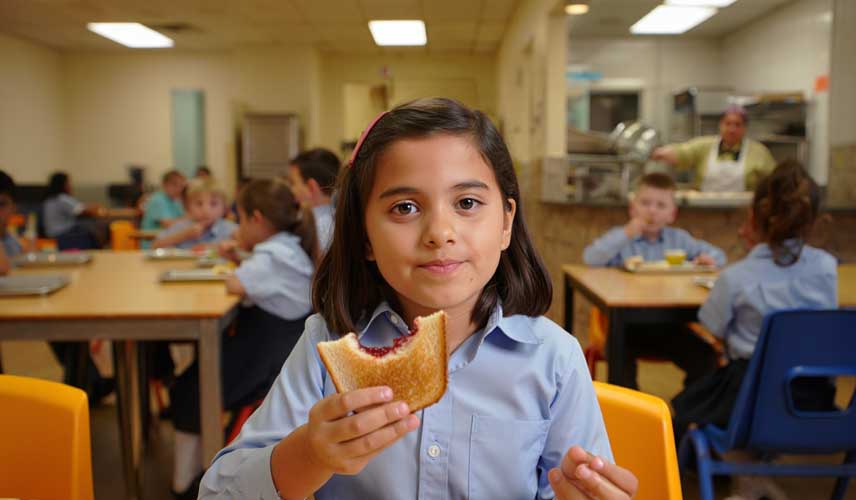
Should Children Be Given Pocket Money or Nutrition?
Every parent wants to raise healthy and well-adjusted children. One of the most important factors in preparing children for education is nutrition. Children are constantly active, which means they expend energy and get hungry. Nowadays, most families prefer to give their children pocket money instead of preparing meals for them. Children tend to buy whatever they crave, which often includes junk food. This disrupts children's eating habits. Therefore, to ensure our children succeed in their education, we must prepare nutritious meals for them on a daily and regular basis.
When children are given pocket money, they may choose foods with low nutritional value. Especially in school canteens, products like hamburgers, chips, and soda that threaten health are sold. By purchasing food from canteens, children unconsciously negatively affect their health. To protect your children from these harmful foods, you should prepare meals for them instead of giving them pocket money. In our country, it is common to give pocket money to children after the 4th grade instead of preparing meals for them. However, nutrition is not something that correlates with grade advancement. Parents should keep this in mind and continuously prepare meals for their children with high nutritional value. Nutrition is crucial for our children's personal and mental development. Therefore, regardless of your child's age, you should definitely prepare meals for them.
The Hidden Dangers of School Canteens
School canteens are filled with products that seem appealing to children but are low in nutritional value. Children who are given pocket money typically gravitate towards these types of products. This is because children prefer the quickest and tastiest foods they can find. This not only disrupts their healthy eating habits but can also lead to serious health issues in the long run.
-
Health Risks: The hamburgers, chips, sodas, and sugary drinks sold in school canteens are among the main causes of health issues such as obesity, type 2 diabetes, and tooth decay. These foods contain high amounts of processed sugars, salt, and fats, but are lacking in the vitamins and minerals necessary for growth and development.
-
Impact on Academic Success: Sugary snacks cause sudden spikes and drops in children's blood sugar levels. This leads to a loss of concentration in class, distraction, and low energy, negatively affecting their educational success.
The Contribution of Nutrition to Cognitive and Physical Development
Preparing meals is one of the most important investments you can make in your child's health. Their daily nutrition directly affects both their physical and mental development.
-
Cognitive Development: The brain is the organ that consumes the most energy in the body. Therefore, regular and balanced nutrition is vital for the healthy functioning of the brain. A diet that includes proteins, carbohydrates, and healthy fats enhances your child's memory, focus, and problem-solving abilities.
-
Physical Development: During their growth phase, children need continuous and adequate nutrition for the development of their bones, muscles, and tissues. Homemade meals, fresh fruits, and healthy snacks that you pack in their lunchbox meet these needs.
The Educational and Emotional Benefits of Meal Preparation
Preparing meals is more than just providing food. This process also offers your child valuable life skills and emotional support.
-
Building Habits: By providing your child with meals made from high-nutrient foods, you help them recognize and get used to healthy foods. This lays the foundation for proper eating habits that will continue into the future.
-
Emotional Bond: A parent's preparation of meals for their child is a sign of love. Even when away from home, the child feels the love and support of their family. This helps them feel more secure and valued.
-
Responsibility and Involvement: Involving your child in meal preparation instills a sense of responsibility. For example, you can ask them to choose which fruit to pack or help prepare the sandwich ingredients.
Practical Lunch Box Tips
Instead of giving your child pocket money, you can prepare a delicious and healthy meal that will make them happy and keep them safe.
-
Sandwiches: You can prepare nutritious sandwiches by placing cheese, smoked turkey or chicken slices, lettuce, and tomatoes between whole wheat bread.
-
Fruits and Vegetables: You can cut seasonal fruits and vegetables like carrots and cucumbers into small pieces and add homemade yogurt dip to increase your child's vegetable intake.
-
Protein Sources: Boiled eggs, cheese cubes, or homemade meatballs will keep your child's energy high throughout the day.
-
Dairy Products: A box of ayran, homemade yogurt, or low-sugar rice pudding is an important part of their nutrition.
-
Homemade Snacks: Instead of store-bought cakes and cookies, you can prepare healthy energy balls made from oatmeal, dried fruits, and walnuts or low-sugar homemade muffins.
When and How Can Giving Pocket Money Be Right?
Giving pocket money to a child can be beneficial for gaining financial responsibility, especially during middle and high school. However, it is important to establish a balance so that this does not harm their eating habits. While continuing to prepare healthy main meals, you can give your child pocket money weekly or monthly and guide them on where they can spend it. You can encourage them to use their pocket money only for a drink or fruit in the canteen. This approach ensures your child eats healthily while also teaching them money management.
In conclusion, while giving pocket money to children may seem like an easy option, preparing meals for them is the most valuable investment a parent can make in their child's health, education, and emotional development. This choice shapes not just a meal, but a lifetime.
Child Development and Education Other Content in the Category

Child Development and Education
Ways to Develop Fine and Gross Motor Skills in Children
Child Development and Education
First Day at Preschool: 12 Tips to Ease the Transition

Child Development and Education
6 Tips for Success

Child Development and Education
8 Reasons for Attention Difficulties in Children

Child Development and Education
Problems and Solutions Regarding Homework

Child Development and Education
15 Life Skills Your Teen Should Acquire

Child Development and Education
35 Positive Messages Your Child Needs to Hear
Child Development and Education
10 Characteristics of Good Enough Parents

Child Development and Education
Child Development: The First 5 Years

Child Development and Education
7 Things You Need to Do to Raise a Well-Rounded Child

Child Development and Education
14 Effective Methods to Increase Children's School Success

Child Development and Education
8 Tips for Positive Parenting

Child Development and Education
10 Ways to Communicate Well with Your Child

Child Development and Education
How Does Changing Schools Affect Children?

Child Development and Education