
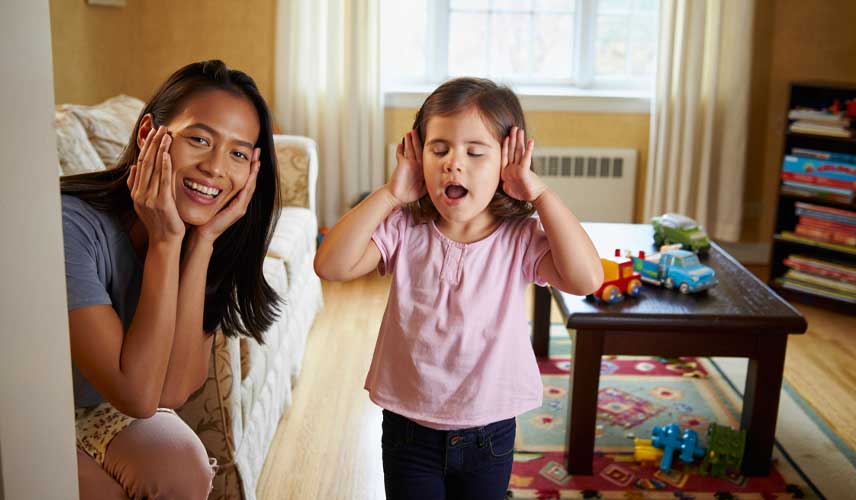
The Benefits of Playing for Children
For children, playing is not just a pastime or leisure activity; it is a way of life. As parents, taking time to play with our children is not only about having fun together. It is also a journey to understand their world, build a stronger bond with them, and support their development. Child development experts and psychologists agree on the benefits of playing for children. To fully realize these benefits, it is crucial that the games played and the toys used are appropriate for the child's age and developmental level.
Play is a multidimensional tool that supports a child's development in every aspect. The skills gained during this process create an impact that extends from school life to social relationships, and even to problem-solving abilities in adulthood.
Fundamental Contributions of Play to Developmental Areas
Playing is not just a physical activity in a child's life. On the contrary, it directly affects many fundamental areas that support and accelerate a child's development.
1. Cognitive and Mental Development
Play actively engages a child's brain, enhancing their cognitive abilities.
-
Problem Solving and Logical Thinking: Games like puzzles, strategy games, or construction sets develop children's logical thinking and problem-solving skills. They learn how to find new ways when faced with obstacles.
-
Creativity and Imagination: Imaginative play (such as playing house, doctor, or superheroes) allows children to use their imagination freely. These games reinforce symbolic thinking skills and nurture their creativity.
-
Attention and Focus: Experiences during play help children extend their concentration spans. The attention required to complete a puzzle or win a game provides them with a significant advantage in school life.
-
Language Development: Games enrich children's vocabulary and enhance their language skills. While portraying different characters or explaining the rules of the game, their ability to express themselves improves.
2. Social and Emotional Development
Play provides a safe environment for children to explore their social and emotional worlds.
-
Sharing and Cooperation: While playing with friends, they learn to share their toys, wait their turn, and cooperate to achieve a common goal. These fundamental social skills are essential for building successful relationships in school and later in life.
-
Empathy and Emotion Management: Taking on different roles (such as a doctor or teacher) enhances children's ability to empathize. Additionally, experiences of winning or losing during play help them learn to manage their emotions in a healthy way.
-
Anger Control: Play is an area where children can healthily release their pent-up energy and aggressive feelings. Physical games like running, jumping, or playing ball help reduce tension.
3. Physical Development
The physical benefits of play are vital for a child's healthy growth.
-
Gross Motor Skills: Games that engage large muscle groups, such as running, jumping, climbing, and riding a bike, strengthen children's muscles and enhance their coordination and balance skills.
-
Fine Motor Skills: Activities like using Legos, play dough, painting, and cutting contribute to the development of hand muscles and hand-eye coordination. These skills lay the foundation for school abilities like holding a pencil and writing in the future.
Play and Development by Age Groups
-
0-2 Years (Exploration Period): During this period, games are primarily focused on sensory exploration. Colorful and noisy toys, textured objects, and mirrors enhance babies' sensory perceptions. Simple games like "peek-a-boo" played with parents help them understand the concept of object permanence.
-
2-5 Years (Imaginative Play Period): Imaginative play is the most significant feature of this period. Children imitate real life through games like playing house, doctor, or repairman. This develops their social and emotional intelligence.
-
6-12 Years (Structured Play Period): Structured games (hide and seek, tag, board games, team sports, etc.) come to the forefront. These games reinforce children's social skills such as following rules, teamwork, and competition.
The Role of Parents in the Play Process
As a parent, you can strengthen the bond with your child by playing together. Remember, play is not just entertainment; it is also a way to understand your child's world.
-
Nonverbal Communication: By carefully observing your child while playing, you can better understand what is happening in their inner world, their dreams, and their disappointments.
-
Being a Role Model: The messages you convey during play are more easily perceived by your child. You can instill qualities like kindness, helpfulness, and empathy through games.
-
Choosing the Right Toys: Select toys that are appropriate for your child's age group and developmental level. Choose toys that do not restrict their creativity and imagination, allowing for open-ended play.
Do Not Underestimate the Power of Play
Playing is one of the most powerful tools that shape a child's future. If you want your child to develop their motor skills, imagination, problem-solving abilities, expand their vocabulary, and build social relationships, you must ensure they play age-appropriate games, take time to play with them, and buy suitable toys. Remember, play is not just entertainment; it is also the greatest investment in the future.
Child Development and Education Other Content in the Category

Child Development and Education
Ways to Develop Fine and Gross Motor Skills in Children
Child Development and Education
First Day at Preschool: 12 Tips to Ease the Transition

Child Development and Education
6 Tips for Success

Child Development and Education
8 Reasons for Attention Difficulties in Children
Child Development and Education
Problems and Solutions Regarding Homework

Child Development and Education
15 Life Skills Your Teen Should Acquire

Child Development and Education
35 Positive Messages Your Child Needs to Hear
Child Development and Education
10 Characteristics of Good Enough Parents

Child Development and Education
Child Development: The First 5 Years
Child Development and Education
7 Things You Need to Do to Raise a Well-Rounded Child
Child Development and Education
14 Effective Methods to Increase Children's School Success
Child Development and Education
8 Tips for Positive Parenting
Child Development and Education
10 Ways to Communicate Well with Your Child

Child Development and Education
How Does Changing Schools Affect Children?

Child Development and Education