
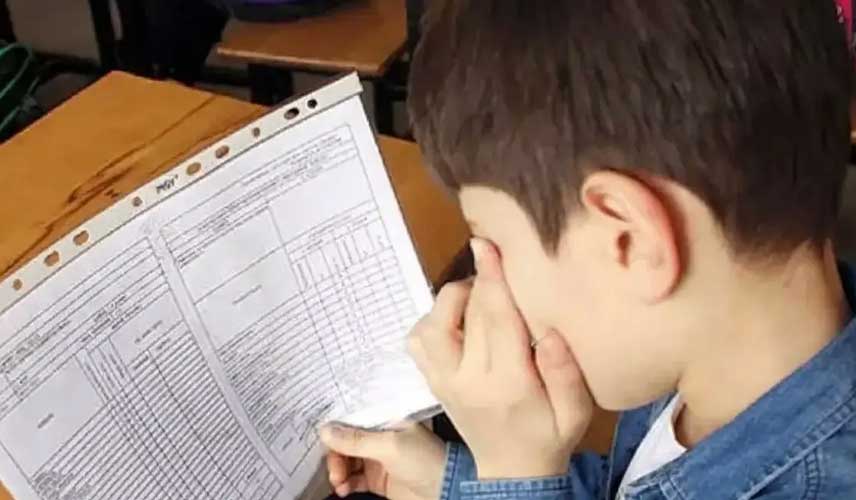
The Challenge of Report Card Day for Parents
The day when children receive their report cards can be a day of joy, anxiety, and frustration for parents. While children are excited about the holiday, those with poor grades also have concerns about today and the holiday. Report card day is like an exam day for parents; exaggerated and incorrect behaviors regarding your child's situation can seriously affect their future. If you want to learn how parents should behave on report card day, the information we provide will be useful to you.
Possible Reasons for Poor Report Card Grades
Child-Related Reasons
Adjustment issues
Emotional and psychological problems
Learning difficulties
Low mental capacity (Insufficient intelligence)
School and Teacher-Related Reasons
Inadequate physical conditions of the school
The educator being strict, having excessive demands from the child, being unsympathetic, and lacking empathy
Frequent changes in teachers
Problematic relationships with other children
Issues in the teacher-student relationship
Problems Arising from Parents
Parents who have excessive expectations, are perfectionists, overly protective, overly critical, never satisfied, constantly in conflict with their child, and unable to establish a good relationship (one or more of these situations may be present).
Think About the Reasons for Poor Grades Instead of Blaming Each Other
Some couples blame each other for the situation of their child who brought home a poor report card. Even if they are justified in their criticisms, this situation negatively affects the children. Primary school children feel guilty and unhappy when their parents are in conflict like this, which may decrease their enthusiasm for learning. High school students may exhibit negative behaviors.
If Your Child's Report Card is Weak, Ask Yourself These Questions
Have we provided a comfortable and happy environment for them at home?
Do they have a room or corner where they can study happily?
Have we addressed their problems?
Have we thought about and done something regarding the subjects they are failing? (Do they dislike it, not understand it, or find it uninteresting, etc.)
Have we provided support regarding their problems and subjects, or sought external support? Have we investigated if there is a perception problem, and if so, have we done something to solve it?
Have we talked to their teachers about our child's situation?
Both Parents are Responsible for a Child's Academic Failure
If a child has many weak grades, it is a general academic failure that is the responsibility of both parents. Often, only one parent follows the child's studies, and that person feels responsible for the outcome. The other parent may seem like someone unrelated to the issue, and sometimes even blames their partner. The right thing is for both to take equal responsibility in the child's development.
You Can't Change the Grades, So Stay Calm
If your child's grades are poor, your initial reactions on report card day may be disappointment and anger. With these feelings, you might say negative words that will leave a deep impact on your child – please don't. Don't let them think that you have lost hope in them, that your love for them has decreased due to low report card grades, or that they are foolish, lazy, and incompetent. You have some knowledge about your child's school situation, right? In this case, a bad report card shouldn't be a big surprise for you. Now that the report card has been received, the grades are what they are; scolding your child, making belittling remarks, or listing the punishments you will give won't change their grades. Show that you are upset, but don't react dramatically. After some time has passed and you have calmed down, think about what you need to do, and research this matter. You may need to get your child tutoring or psychological support; consider these options. Think about what you might have done wrong or missed.
Poor Grades Don't Require Your Child to Study During the Holiday
Children need to rest and get away from the school atmosphere during the holiday. Plan a productive summer vacation for your child, and make sure it includes relaxation, doing some things they want, and having fun. It makes sense for a struggling child to review more during the holiday compared to a successful child, but the entire holiday shouldn't be spent studying. You should spend time with them and allow them to enjoy the holiday.
Talk Calmly About Their Report Card
Ask them what they think about their poor grades. Inquire if there are grades that caused them surprise or disappointment. They may have gaps in topics like time management, regular study, and effective study techniques; think about what you can do.
Remember That Your Child is Different from You
Your success in a certain area does not guarantee that they will be successful as well. They may have no interest in a subject you are very passionate about, or they may struggle to understand a topic that you grasp easily. Their interests, abilities, and skills may not be the same as yours. Be aware of your child's personal characteristics and act accordingly.
Big Mistake: I Love You Very Much Because Your Grades are Good / My Love for You Decreases Because Your Grades are Low
This is a very big mistake because it makes children think that their worthiness of love from their parents is solely based on their grades. If you truly feel this way, you are doing harm to your child. If you want your child to feel secure and safe, do not tie your love to these conditions. They are your most precious possession; do you want them to think they are only loved when they succeed? Do you think feeling worthless and unloved because they are unsuccessful in their studies will contribute positively to their life? A school-aged child is not just a student; they have different aspects as well. Recognize these aspects of your child. Do their qualities like loving animals, greeting people kindly, keeping their room tidy, getting along well with friends, playing a musical instrument, being respectful to elders, drawing well, and writing beautiful compositions have no value? The report card is important, but a student is not just a report card.
Report Card Success Does Not Guarantee Success in Life
No one can guarantee that a person who is successful in their studies will also be successful in life. Yes, the probability increases, and there are more reasons to be hopeful, but children who bring home a poor report card can also be successful in their professional and social lives as adults.
What Should a Report Card Gift Be Like?
It is understandable that parents want to reward a good report card, and the child will also appreciate it, but you should be careful and moderate in this regard. A gift with a very high monetary value can lead the child to become someone who studies for the sake of the gift/reward. Therefore, prefer to buy a small gift or arrange to do something nice as a family as a reward. Your child should not be someone who works for a computer, bicycle, or new phone.
Do Not Demean Your Child by Comparing Them to High-Achieving Children
Do not let them think that you would prefer a child who brings home a good report card. They should not think that their family would prefer someone like that over them. Encourage them to think: I should do something about this, I should consider my family's advice. This will be better for both me and them. Even if my grades are poor, they love me, but they will be happier if I do well. This is also beneficial for my future. I should do better next term.
Encourage Your Child with Low Grades
Tell them that the situation is distressing, but you have no doubt that they can improve it. Express that by studying a little during the holiday, they will start the next term more equipped and confidently, and that by working better throughout the school year, their next report card can be much better. Ask them what they are thinking of doing about this and share your own suggestions. Do not let them think, "You won't amount to anything"; give them hope and make them feel your trust.
Let Your Criticisms Not Reach the Level of Emotional Abuse
It is impossible not to be affected by your child's low academic performance, we know that. Sadness, disappointment, and future concerns are normal in such situations. You may lose control and raise your voice. However, it is really important to pay attention to the words that come out of your mouth. If you realize that you are about to say painful and hurtful things, try to hold yourself back, calm down a bit first. Yelling loudly, using belittling expressions, and threatening can fall into the realm of emotional abuse, and the consequences can be severe.
Child Development and Education Other Content in the Category

Child Development and Education
Ways to Develop Fine and Gross Motor Skills in Children
Child Development and Education
First Day at Preschool: 12 Tips to Ease the Transition

Child Development and Education
6 Tips for Success

Child Development and Education
8 Reasons for Attention Difficulties in Children
Child Development and Education
Problems and Solutions Regarding Homework

Child Development and Education
15 Life Skills Your Teen Should Acquire

Child Development and Education
35 Positive Messages Your Child Needs to Hear

Child Development and Education
10 Characteristics of Good Enough Parents
Child Development and Education
Child Development: The First 5 Years

Child Development and Education
7 Things You Need to Do to Raise a Well-Rounded Child

Child Development and Education
14 Effective Methods to Increase Children's School Success

Child Development and Education
8 Tips for Positive Parenting

Child Development and Education
10 Ways to Communicate Well with Your Child

Child Development and Education
How Does Changing Schools Affect Children?

Child Development and Education