
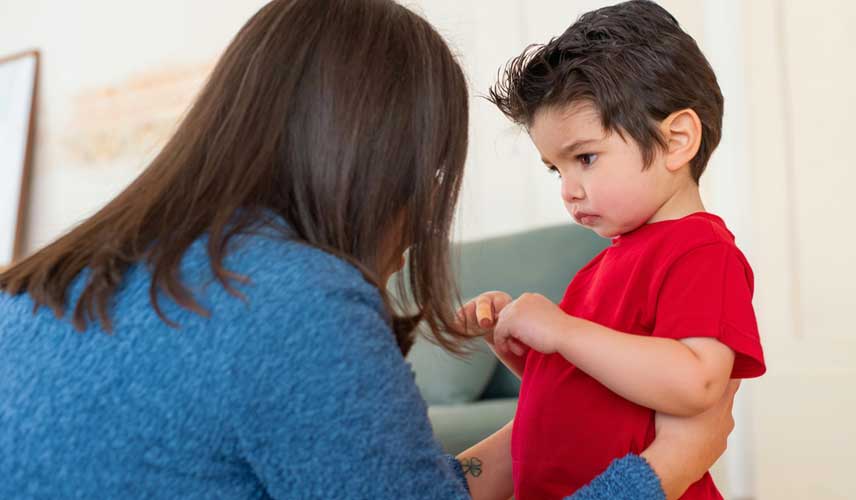
Tips for Raising Children
There are a few key words in child-rearing that are essential for shaping the future: patience, understanding, attention, observation, and awareness. Raising a child is not just about meeting their basic needs; it is also about teaching them how to cope with life itself, instilling a strong character and a unique perspective. While it is common for a parent to respond to the question "Do you have a child?" with "I have troubles," we will emphasize that the real answer is "There is life there, there is energy there, there is a journey there." Here are some tips that will guide you in modern parenting.
Family Dynamics and Emotional Foundations
The emotional security and character of your child are built on solid foundations laid within the family.
-
Define the "Sweetness": Children choose what is sweet. If the mother is angry, the grandmother is affectionate, the child will choose her. If the mother is feeding vegetables and the grandmother is offering chocolate, the child will choose the grandmother. However, you can define the "sweetness" in your child's life. For example, you can prevent the sweetness in your home from being television, computer, or candy, and lovingly present the things you want to be sweet. Love, attention, trust, and quality time are the sweetest things a child seeks. Avoid thorns in your language; a positive communication style will help your child bond with you more.
-
Strong Roots, Free Wings: Wave goodbye to your children as they go to school. Let them see you from the window. Spouses should also bid farewell to each other nicely. This strengthens family ties and roots. A child with strong roots derives from the love of their family and the respect between their parents. This solid foundation gives the child the wings to explore the outside world. Remember, to be a good parent, we need to be good spouses, and before being good spouses, we need to be good people. The greatest role model for your child is the love and respect between you.
Education and Development: Supporting Uniqueness
Education is not just about academic knowledge; the main goal is to help the child discover their own potential.
-
Every Child is a Leader Candidate: The educator's task is to aim to produce more leaders among children and to plan and implement activities accordingly. However, only one or two game changers usually emerge from each class. As parents, we should not be upset about the traits our child does not possess and should try to find out what they do best. Everyone has something they can do well. Some are talented in art, some in sports, and some in communication with others. Discover and support your child's unique talents.
-
Learning in Their Own Time: We should not teach reading and writing in preschool. There is no need for slanted or straight line exercises. The child should learn everything in their own time. The most important thing in preschool education is for the child to develop their social skills, imagination, and motor skills through play. This creates a much stronger foundation for their future academic success.
-
Museums and Fairs vs. Shopping Malls: Take your children to museums and fairs by setting goals. Do not take them to shopping malls. Museums provide them with knowledge about history, art, and science, while fairs allow them to explore different interests. Such activities nurture the child's curiosity and increase their interest in learning.
Life Habits and Boundary Management
The habits instilled in a child ensure they become a disciplined, responsible, and adaptable individual.
-
Flexible and Strong Habits: Your child should be able to sleep anywhere except harmful places like where cigarettes, alcohol, or drugs are consumed. Do not put signs like "Attention! Baby is sleeping, do not ring the bell" on your doors. Acclimating the child to different conditions and environments develops their adaptability and ability to cope with stress.
-
Screen Ban and Technology: In France, there is a screen ban for children aged 0-6. Children cannot look at computers or televisions. Do not be afraid of being late. A person with normal intelligence can learn to use a computer at any age in a short time. They should be introduced to computers as late as possible. Early exposure to screens can shorten a child's attention span and negatively affect their social development.
-
Healthy Eating: Children's lunch boxes should not contain pastries, cakes, or toasts. Healthy foods should be included. Homemade sandwiches, fruits, nuts, and vegetables keep your child's energy high and support their academic success.
-
Desire vs. Passion: Do not mistake every whim of your child for a desire. Today they may want to play the violin. Do not rush to buy a violin. Wait and understand if it is a true desire. You are not obliged to fulfill every wish. This teaches your child important skills like patience, valuing things, and impulse control.
-
Year-End Shows: Year-end shows in kindergartens and preschools are only meant to entertain and deceive adults. After February, almost no educational activities are conducted for those shows. We need an education system that allows children to be relaxed. They are not our puppets. The most important thing is to support children's improvisational skills and creativity.
-
Overloading with Activities: The most suitable sports for children aged 3-6 are tennis, swimming, ice skating, and gymnastics. One of these can be chosen, and the child can be sent to that course. However, the child should not be exhausted with too many activities. One or two activities are sufficient; the most important thing is for the child to have time to play freely.
In conclusion, raising a child is more of a journey than a goal. Instead of being upset that your child is not a machinist, be glad that they are on the train. Your child is in life, on the train, and on a journey. Anything can happen in life. The important thing is not to get off the train, but to keep going. Raising a child is about rediscovering life, energy, and the journey.
Child Development and Education Other Content in the Category

Child Development and Education
Ways to Develop Fine and Gross Motor Skills in Children
Child Development and Education
First Day at Preschool: 12 Tips to Ease the Transition

Child Development and Education
6 Tips for Success
Child Development and Education
8 Reasons for Attention Difficulties in Children

Child Development and Education
Problems and Solutions Regarding Homework

Child Development and Education
15 Life Skills Your Teen Should Acquire

Child Development and Education
35 Positive Messages Your Child Needs to Hear
Child Development and Education
10 Characteristics of Good Enough Parents

Child Development and Education
Child Development: The First 5 Years
Child Development and Education
7 Things You Need to Do to Raise a Well-Rounded Child
Child Development and Education
14 Effective Methods to Increase Children's School Success
Child Development and Education
8 Tips for Positive Parenting
Child Development and Education
10 Ways to Communicate Well with Your Child

Child Development and Education
How Does Changing Schools Affect Children?

Child Development and Education