
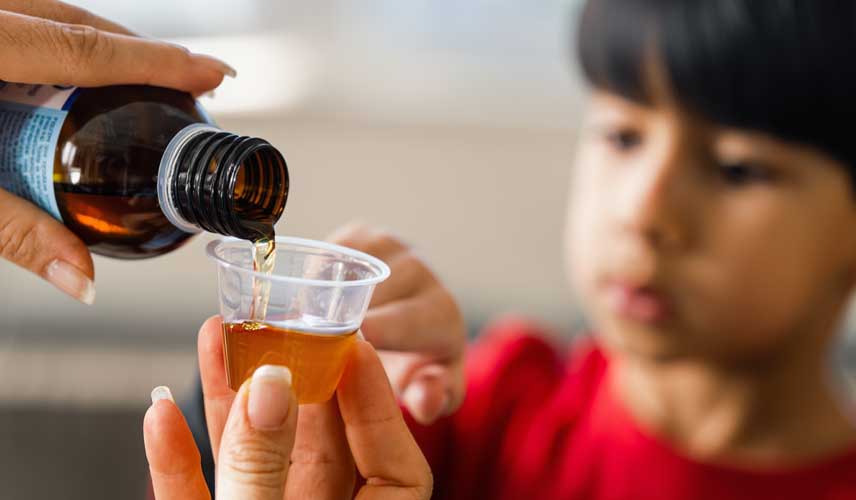
Be Careful When Giving Cough Syrup to Your Child!
What do you do when your child coughs? If you immediately start using a cough syrup that you believe has worked in the past or one recommended by a relative, you might be making a mistake. It is often more appropriate to consult a doctor based on the situation or, if there is no dramatic issue, to initially wait for it to pass by giving some herbal mixtures. A cough caused by a cold can sometimes resolve on its own within a few days. Giving cough syrup to a child can be harmful rather than helpful if done carelessly.
Cough: Not a Disease, But a Symptom
A cough is a natural reflex that the body uses to clear the airways of foreign substances, mucus, and irritants. It is not a disease but a symptom of an underlying condition. Therefore, it is important to focus on finding the underlying cause rather than just stopping the cough itself.
-
Different Types of Coughs:
-
Dry cough: Usually occurs at the beginning of a cold or due to allergies. It creates a tickling and dry sensation in the throat and does not produce mucus.
-
Productive cough: A "wet" cough that is aimed at expelling mucus accumulated in the airways. This cough should not be suppressed as it is beneficial for clearing the lungs.
-
Wheezing cough: A cough accompanied by a wheezing sound when breathing in or out. It may indicate a more serious respiratory condition such as bronchitis or asthma and requires a doctor's examination.
-
Croup cough: A severe and dry cough that resembles a barking sound, usually caused by a viral infection. It is particularly seen in children under 6 years old and can lead to breathing difficulties. This condition requires immediate medical intervention.
Use of Cough Syrup: What Does Science Say?
Using cough syrup for children can be harmful rather than helpful if done carelessly. Many expert organizations, such as the American Academy of Pediatrics, do not recommend the use of cough and cold medications for children under 6 years old.
-
Risks of Careless Use: Cough syrups often contain multiple active ingredients (cough suppressants, expectorants, antihistamines). These components can lead to serious side effects in children, such as drowsiness, dizziness, nausea, and even respiratory depression. Research shows that the effects of these syrups on young children are insufficient and that their risks outweigh their benefits.
-
"Insufficient Evidence That Cough Syrup Works": Scientific studies do not provide sufficient evidence that cough syrups are more effective than a placebo (an inactive drug) for coughs caused by common colds. This poses the risk of parents giving their children potentially harmful substances without any benefit.
-
Age Limit and Honey: It is not appropriate to give honey to children under 1 year old. Honey carries the risk of botulism, a serious nerve system infection. Therefore, honey or natural mixtures containing honey should be kept away from children under 1 year old.
When Should You See a Doctor? Warning Signs
Most of the time, you can handle a cough caused by a simple cold on your own. However, you should seek a specialist doctor without delay in the following situations:
-
Duration and Severity of Cough: If the cough has lasted longer than a week or is progressively worsening.
-
Breathing Difficulty: If there is wheezing or whistling sound when breathing. This may indicate a more serious condition such as asthma or bronchiolitis.
-
Other Symptoms: High fever (above 38.5°C), chest pain, coughing up blood, or facial flushing or cyanosis. These symptoms may indicate a medical emergency (pneumonia, asthma attack, whooping cough).
Safe and Natural Methods to Apply at Home
With a doctor's advice or in cases of mild cold, you can support your child with some natural methods instead of cough syrup.
-
Fluid Intake: Ensuring your child consumes more fluids keeps their throat moist and thins mucus. Water, buttermilk, linden tea, or homemade sugar-free compote are ideal fluids.
-
Humidity in the Environment: Dry air can trigger coughing. Placing a humidifier in the bedroom or allowing the child to inhale warm steam (for example, by running hot water in the bathroom) can soothe their throat.
-
Honey and Ginger Mixture:The mixture of organic honey and ginger is effective in soothing coughs for children over 1 year old. While honey acts as a natural cough suppressant, ginger has anti-inflammatory properties.
-
Keeping the Head Elevated: Keeping your child's head elevated with an extra pillow can prevent nasal discharge from running down the throat and causing coughing fits, especially during nighttime sleep.
Natural Cough Medicine Recipe
Ingredients:
-
1 teaspoon of fresh grated ginger
-
Strained flower honey (for children over 1 year old)
-
3-4 pinches of linden
-
Slices of lemon
-
3 cups of hot water
Application: Place the linden leaves in a teapot. Add a few slices of lemon and the grated ginger, and mix. Pour in the hot water and let it steep for about 5 minutes. Add strained flower honey to the cup of tea for sweetness. You can also add a pinch of cinnamon to this natural cough medicine recipe to boost the immune system. Older children can drink 1 cup of this mixture daily, while younger children can be given half a cup 2-3 times a day.
In conclusion, instead of panicking when your child coughs, first observe them carefully. If it is a simple cold, you can support them with natural methods. However, if symptoms worsen or persist, consulting a doctor is the best approach for both your child's health and your peace of mind. Being a conscious and informed parent is the most effective medicine in this process.
Child Health and Safety Other Content in the Category

Child Health and Safety
Newborn Care
Child Health and Safety
My Baby Refuses to Eat Solid Foods

Child Health and Safety
Ways to Protect Children from Coronavirus

Child Health and Safety
What to Do to Instill Brushing Habits in Children
Child Health and Safety
Child Safety: Medications Should Be Stored Out of Children's Reach

Child Health and Safety
10 Effective Tips for Child Health

Child Health and Safety
8 Factors That Cause Babies to Cry

Child Health and Safety
Down Syndrome Diagnosis Methods

Child Health and Safety
When Do Babies Crawl
Child Health and Safety
Information About Teething Period in Infants
Child Health and Safety
How Much Water Should Babies Drink?

Child Health and Safety
10 Things to Do for a Healthy Pregnancy

Child Health and Safety
10 Ways to Prevent Sugar Consumption in Children

Child Health and Safety
Frequently Asked Questions About Cancer and Chemotherapy
Child Health and Safety