
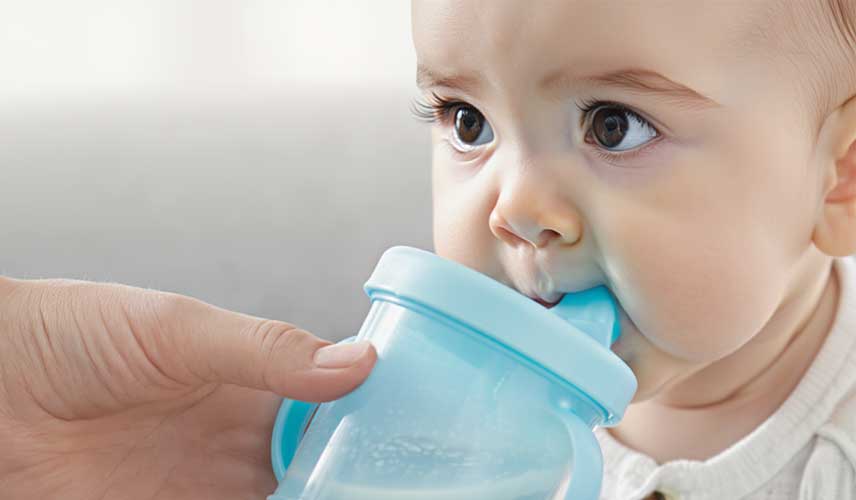
How Much Water Should Babies Drink?
After your baby is born, you want to do everything in the best and most correct way for them. Especially if you are a first-time parent, you may have many questions in your mind. One of these questions is "How much water should babies drink?" This question is one of the most curious topics for parents, especially during hot weather or when the baby is fussy. This article aims to answer all your questions about your baby's water needs based on scientific data and expert opinions.
0-6 Months: Breast Milk and Formula Are Sufficient
The first six months of your baby's life is the most critical period regarding water needs. Before starting to give water, you should consider your baby's main source of nutrition.
-
For Breastfed Babies: You probably know that breast milk is a complete and perfect food for babies. If you have enough milk and your baby is gaining the necessary weight, you do not need to give them additional water until they are 6 months old. This is because about 88% of breast milk is made up of water and meets all of the baby's fluid needs. Additionally, giving water can lead to a feeling of fullness in the baby, which may reduce their intake of breast milk. This means they may not get enough nutrients necessary for their growth and development.
-
For Formula-Fed Babies: This applies to formula-fed babies as well. Properly prepared formulas also meet the baby's water needs. The most important thing to pay attention to is not to change the dilution ratio of the formula. Formulas prepared with less water than recommended can harm the baby.
-
Exceptional Cases: On the other hand, if your baby has a special condition or illness, your doctor may advise you to give them water regardless of their age. For example, if the baby has diarrhea or is vomiting, it may be necessary to give water or a special electrolyte solution to compensate for fluid loss. In such cases, you should definitely consult your doctor.
After 6 Months: Increased Water Needs with Introduction of Solid Foods
After your baby turns 6 months old and starts transitioning to solid foods, their water needs begin to increase. Solid foods contain less water compared to breast milk or formula, so providing additional water becomes a necessity.
-
For Babies Aged 6-12 Months: As for the question "How much water should babies over 6 months drink?"; the amount of water to be given during this period varies depending on the baby's height, weight, urine output, how much breast milk they are receiving, and whether they are experiencing constipation. As a general recommendation, it is suggested to give 300-400 ml of water per day. However, this amount can be increased during hot weather or if the baby is very active.
-
For Babies Aged 1 Year and Older: A one-year-old baby weighs approximately 10 kg and their daily water needs are around 800-1000 ml. As the baby grows older, their intake of solid foods increases, which leads to a greater need for fluids. During this period, water should be given not before meals but in sips during or after meals. You should offer water to your baby after each meal. If they are constipated, it may be necessary to increase their water intake.
How to Tell if Your Baby is Drinking Enough Water?
Determining whether your baby is getting enough water is an important monitoring issue for parents.
-
Urine Check: One of the most reliable indicators of whether your baby's water needs are being met is whether they are producing enough urine. A healthy baby should have their diaper changed 6-8 times a day. Their urine should be light yellow. Dark yellow or orange urine may indicate a lack of fluids.
-
Other Symptoms: A dry mouth, not producing tears when crying, or appearing more sleepy and lethargic than usual can also be signs of dehydration.
-
Calculation Method: You can calculate whether your baby is getting enough water based on their body surface area. There are tools available online where you can find the body surface area. You enter the baby's height and weight, and it gives you the result. By multiplying this value by 1500, you can learn approximately how much water they should drink daily. The result you find is an average value and may increase in hot weather.
If Your Baby is Not Drinking Water: Patience and Creativity
Your baby may not accept every offer of water. In this case, do not force them, but always make this offer at regular intervals.
-
Use Different Containers: To remind and encourage your crawling baby to drink water, place different colored and shaped water bottles in the places they roam and play. This makes water more interesting for them.
-
Be a Role Model: Set an example by drinking water frequently in front of them. Children tend to imitate their parents' behaviors.
-
Add Flavor to Water: You can make water more delicious and appealing by adding a slice of cucumber, lemon, or apple.
In conclusion, the amount of water babies should drink varies according to their age and development. For the first six months, breast milk or formula is sufficient. After the sixth month, water should gradually be included in the feeding routine along with solid foods. Careful observation by parents and doctor recommendations are the best guides in this process.
Child Health and Safety Other Content in the Category

Child Health and Safety
Newborn Care
Child Health and Safety
My Baby Refuses to Eat Solid Foods
Child Health and Safety
Ways to Protect Children from Coronavirus

Child Health and Safety
What to Do to Instill Brushing Habits in Children
Child Health and Safety
Child Safety: Medications Should Be Stored Out of Children's Reach

Child Health and Safety
10 Effective Tips for Child Health

Child Health and Safety
8 Factors That Cause Babies to Cry

Child Health and Safety
Down Syndrome Diagnosis Methods
Child Health and Safety
When Do Babies Crawl
Child Health and Safety
Information About Teething Period in Infants
Child Health and Safety
How Much Water Should Babies Drink?
Child Health and Safety
10 Things to Do for a Healthy Pregnancy

Child Health and Safety
10 Ways to Prevent Sugar Consumption in Children

Child Health and Safety
Frequently Asked Questions About Cancer and Chemotherapy
Child Health and Safety