
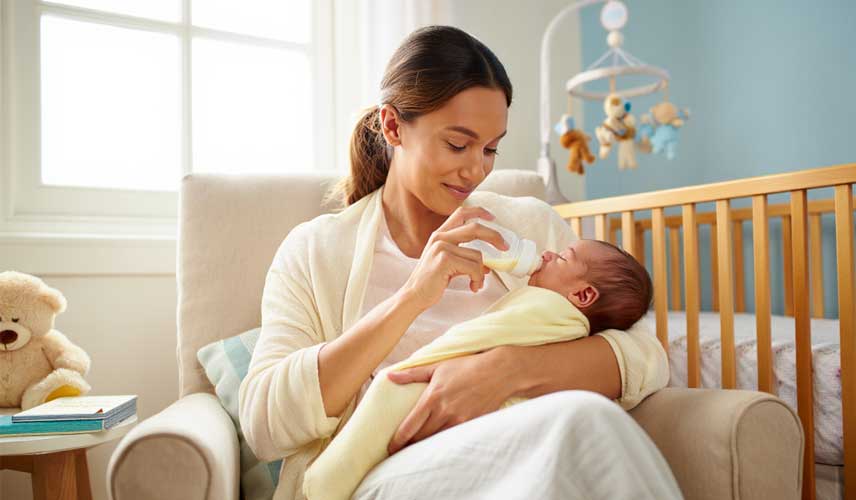
Newborn Care
Newborn care is an extremely exhausting and intense task for a mother or a caregiver who takes on a maternal role, both physically and emotionally. This intensity clearly shows that motherhood is a full-time and self-sacrificing duty, especially when faced with sleepless nights. A baby, who may seem weak and defenseless at first glance, keeps you and your household active all day with its crying and endless needs. However, behind this challenge lies a unique bond established with your baby and a process that is vital for their healthy development. This process not only involves meeting basic needs but also lays the foundation for the sense of security that the baby will develop towards life in their early years.
The Baby's Emotional Needs and the Power of Love
During this period, a baby's emotional need can be summarized in one word: Love. This word encompasses the intense attention, affection, warmth, and continuous care provided by the mother. Thanks to this fundamental bond established with their mother, the baby lays the groundwork for their future relationships with other people. The majority of a mother's love comes from the physical contact established during care, gentle touches, soft words spoken to the baby, and a smiling face. A mother's smiling face and soothing voice create happiness and joy in the baby. This situation helps release oxytocin, known as the happiness and security hormone, in the baby's brain.
The baby's face lights up, and they respond to their mother with incomprehensible, joyful sounds. This communication, which may appear as "bird language" from the outside, is actually the most important emotional nourishment for the baby. It is the essential food necessary for healthy development and the stimulation of mental abilities.
-
The Importance of Physical Contact: For a baby trying to adapt to the outside world from the safe and warm environment of the womb, skin-to-skin contact plays a vital role. Being held, gently rocked, and massaged helps the baby feel secure and reduces stress levels. Research shows that regular skin contact regulates babies' heart rates and supports weight gain.
-
Verbal and Facial Expression Communication: Even though your baby cannot speak yet, talking to them in a soft tone, singing lullabies, and smiling stimulate the brain's language and social interaction centers. Experts note that this high-pitched and repetitive speaking style, known as "baby talk," helps babies distinguish the basic sounds of language. These interactions lay the foundations for future communication.
The Love Needs of Infants and Caregiver Selection
The love needs during the infant stage are met so naturally that their importance can sometimes be overlooked. However, studies on children who grow up without love clearly reveal how vital love is. A lack of love can negatively affect not only emotional development but also physical development and brain structure. Therefore, the person caring for the child, whether a caregiver or nanny, must meet this need for love and attention in the best possible way.
-
Secure Attachment Theory: The strong emotional bond established between the baby and the primary caregiver is referred to as "secure attachment." This bond forms the foundation for the child to establish healthy relationships with others in later life. Children who develop secure attachments are more courageous in exploring the world because they know they have a safe haven to return to.
-
Caregiver Stability: While it is important for the baby to receive love, the constant change of those providing that love can be unsettling for the baby, even if they receive sufficient affection. The baby needs to develop a sense of trust that their needs will always be met by the same person. This stability allows them to trust the world and develop a healthy self-image. Therefore, reliability and continuity should be among the most important criteria when selecting a caregiver.
The Physical Foundations of Newborn Care
Newborn care is not just about emotional needs. Physical care and health checks are just as important as emotional care.
-
Nutrition: The ideal food for a baby during the first 6 months is breast milk. In cases where breast milk is insufficient, formula supplementation should be done with a doctor's advice. The caregiver must pay great attention to feeding times and the proper preparation of formula.
-
Sleep Routine: Establishing a healthy sleep routine for newborns is critical for both the baby's development and the mother's rest. The caregiver must accurately read the baby's sleep signals (such as yawning and eye rubbing) and provide a safe sleep environment (such as placing the baby on their back and avoiding excessive toys and pillows in the crib).
-
Hygiene and Health: Regularly changing the baby's diaper, caring for the umbilical cord, bathing, and nail care are hygiene routines that must be meticulously followed to reduce the risk of infection and ensure the baby's comfort. Additionally, keeping up with vaccination schedules and regular doctor check-ups is vital for the baby's healthy growth.
Parent Self-Care: Preventing Burnout
Newborn care deeply affects not only the baby but also the mother and the family. Sleep deprivation, hormonal changes, and new responsibilities can negatively impact the mother's mental health and lead to serious conditions such as postpartum depression.
-
Make Time for Rest: A mother's rest is as important as the care of the baby. The caregiver should help the mother get enough sleep and take time for herself. Taking a short walk, watching a favorite movie, or simply sitting quietly and resting are vital steps to prevent burnout.
-
Emotional Support: Emotional fluctuations after childbirth are normal, but if symptoms persist, it is important to seek support from a specialist. The caregiver should be sensitive to the mother and observe her emotional state.
Newborn care is not just about providing nutrition, cleanliness, and a sleep routine. The most important task in this process is to understand your baby's emotional, psychological, and physical needs and to provide them with uninterrupted love, affection, and stability. These loving approaches will help them become a strong individual not only physically but also emotionally and mentally. Therefore, when selecting a baby caregiver, the reliability of their references, their experience, and most importantly, the importance they place on the bond they will establish with your baby should be among the most important criteria.
Child Health and Safety Other Content in the Category
Child Health and Safety
Newborn Care
Child Health and Safety
My Baby Refuses to Eat Solid Foods

Child Health and Safety
Ways to Protect Children from Coronavirus
Child Health and Safety
What to Do to Instill Brushing Habits in Children

Child Health and Safety
Child Safety: Medications Should Be Stored Out of Children's Reach

Child Health and Safety
10 Effective Tips for Child Health

Child Health and Safety
8 Factors That Cause Babies to Cry

Child Health and Safety
Down Syndrome Diagnosis Methods

Child Health and Safety
When Do Babies Crawl
Child Health and Safety
Information About Teething Period in Infants
Child Health and Safety
How Much Water Should Babies Drink?

Child Health and Safety
10 Things to Do for a Healthy Pregnancy

Child Health and Safety
10 Ways to Prevent Sugar Consumption in Children

Child Health and Safety
Frequently Asked Questions About Cancer and Chemotherapy

Child Health and Safety