
African Caregiver
Adayları Filtrele
Working Style
Dil
Age

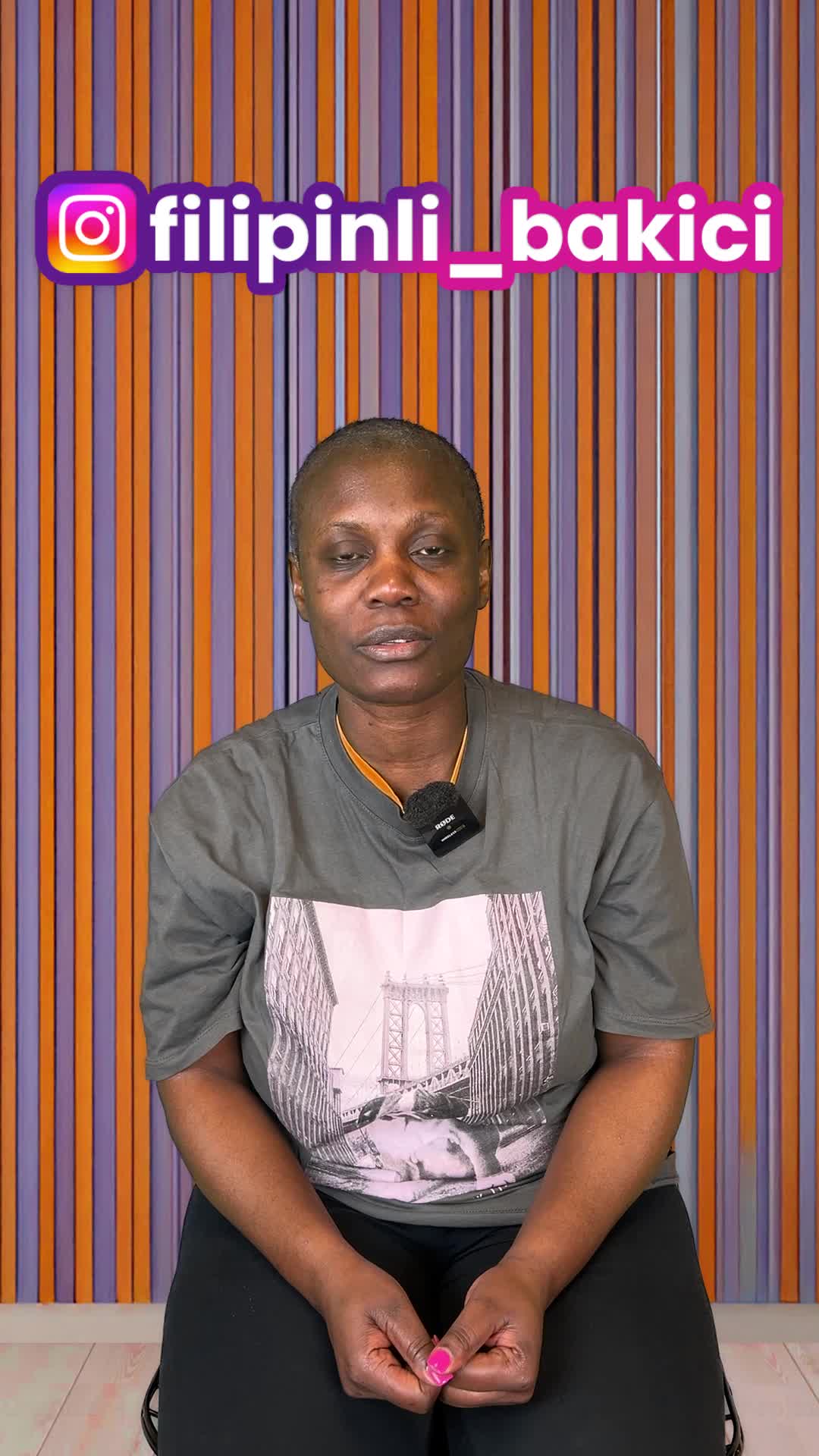
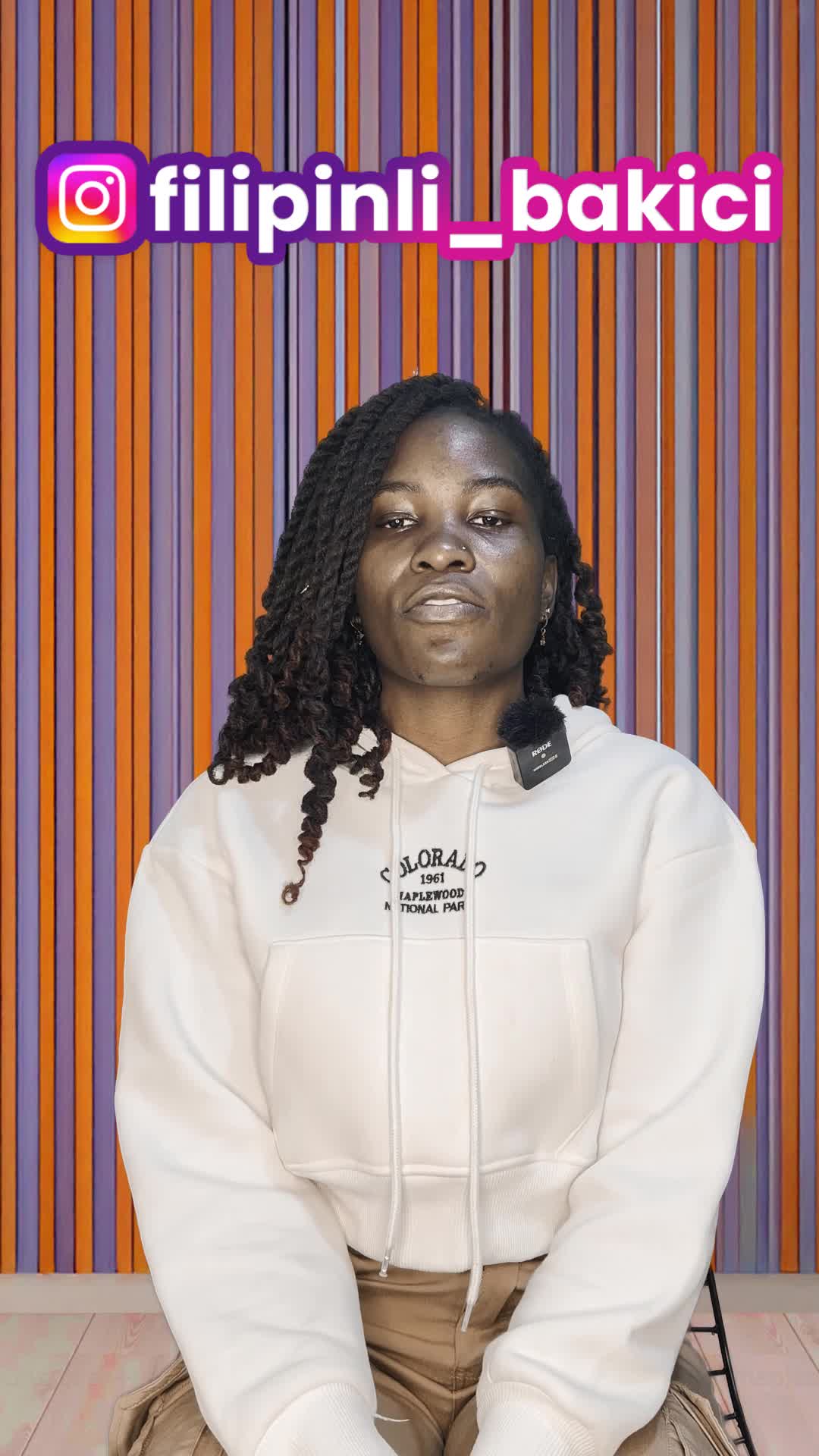




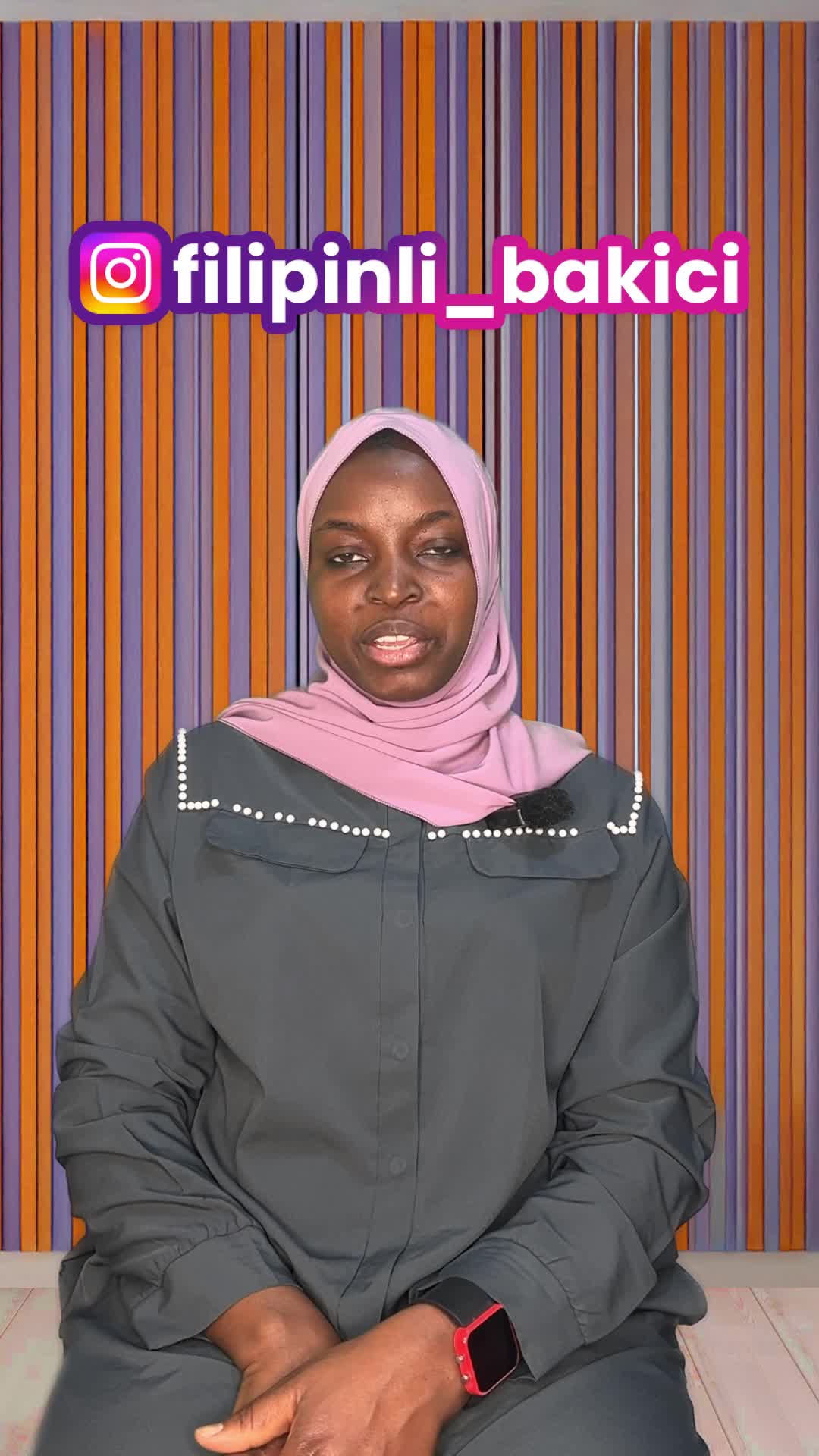

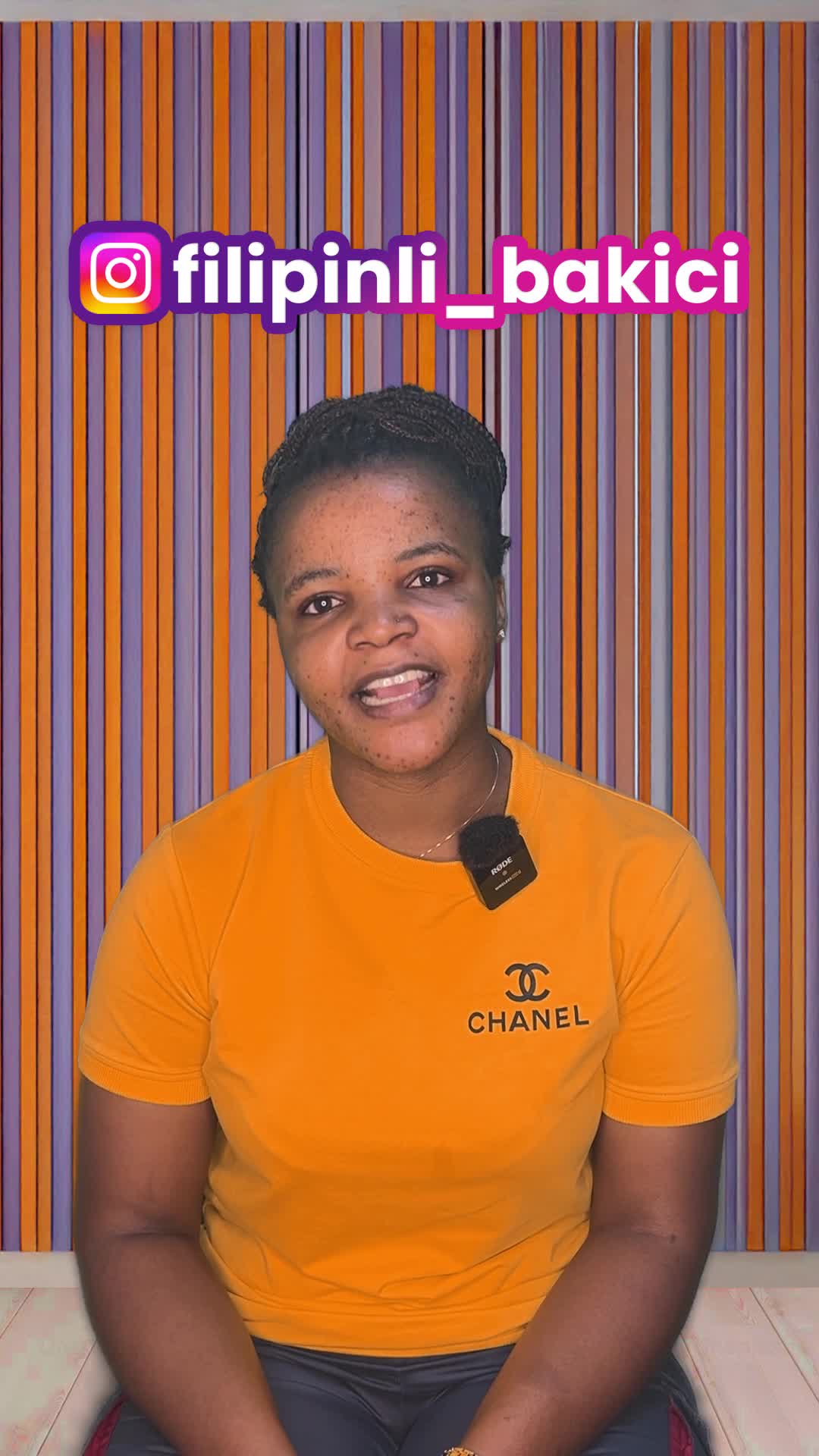


In today's world, the changing family structures, the increasing number of working parents, and the rising need for professional care have made caregiver services extremely important. Especially for families looking for reliable, long-term, and disciplined caregivers, African caregiver services have become one of the most preferred solutions in recent years.
As Damla Human Resources, we provide services for the provision of referenced and experienced African caregivers specialized in child care, baby care, elderly care, and in-home support. Our caregiver candidates from Africa are meticulously selected from individuals who are educated, have a high sense of responsibility, strong cultural adaptability, and motivation for long-term work.
All our candidates undergo detailed interview processes, reference checks are conducted, and the most accurate matching is performed according to the families' needs. As Damla Human Resources, we not only provide caregiver placement but also offer adaptation process consultancy, legal procedure tracking, and support services throughout the process.
Who is an African caregiver?
African caregivers are generally individuals coming from East and West African countries (Ethiopia, Kenya, Uganda, Nigeria, etc.) who possess a certain level of education, have a high work discipline, and are usually proficient in English. These candidates come to Turkey as highly motivated individuals. Since they come from a culture that places great importance on the concept of family, they exhibit a protective and loyal attitude towards the individuals in the homes they enter.
The first characteristic that comes to mind when thinking of African caregivers is their energetic and patient nature. Since they actively participate in child care and home management processes in their own countries, they are quite skilled at producing practical solutions. As Damla Human Resources, we value not only the physical qualifications of these candidates but also their psychological resilience and character analyses.
In which areas do African caregivers provide services?
African caregivers are versatile workers who do not get stuck in a single job description. The areas they serve can be detailed as follows:
- Baby Care: They manage all the needs of the baby (feeding, sleep routine, hygiene) from the newborn period.
- Preschool and School Age Child Care: In addition to being playmates for children, they assist with homework tracking and language development.
- English Language Practice: They ensure that children learn a foreign language not as a subject but as a natural flow of life.
- Elderly and Sick Companionship: They become patient companions for the elderly who need physical support.
- Home Management and Assistance: They take on tasks that ensure the daily flow of the home, such as cooking, general cleaning, ironing, and shopping.
Why should you prefer an African caregiver?
When you start looking for a caregiver, you may encounter candidates from many different nationalities. However, there are very specific reasons that distinguish African caregivers from others and make them a preferred choice. This preference is not only about meeting a personnel need but also about adding cultural richness and discipline to your home.
Advantages of African caregivers
- Natural Language Education: The biggest motivation for families in Turkey is for their children to learn English from someone who speaks it as their native language. Thanks to African caregivers, your children gain exposure to the language from the age of 2-3 and see the foreign language not as a "burden" but as a "means of communication".
- High Physical Energy: Child care requires serious conditioning. African caregivers do not tire from playing with children in the park or staying active in the house due to their energetic nature.
- Hierarchy and Respect: Due to their traditional structure, they are extremely respectful to the homeowner and family rules. They are very meticulous about following given instructions to the letter.
- Flexibility and Adaptability: They are quite flexible in adapting to Turkish cuisine and cleaning standards. They can learn to cook a Turkish dish in a short time.
What areas does the African caregiver service cover?
The African caregiver service provided by Damla Human Resources covers not only care but also the organization of the home and the facilitation of daily life. The caregiver's job description is clarified according to the family's needs, and mutual expectations are transparently defined. Our service scope includes the following steps:
- Profile Analysis: The family's lifestyle, house size, number of children, and expectations are analyzed.
- Interview Process: Candidates are eliminated based on whether they have previous experience in similar jobs.
- Security Check: Criminal record checks, passport validity, and reference verifications are conducted.
- Legal Consultancy: Guidance is provided to the family regarding bureaucratic processes such as work permits and residence permits.
African Caregiver for Child Care
The growth process of children is the most important period in shaping their characters. African caregivers are successful in creating games that expand children's imaginations. These caregivers, who can blend discipline with fun, contribute to raising children as confident individuals. They are extremely attentive to issues that parents are sensitive about, such as managing the child's after-school program, preparing healthy snacks, and limiting screen time.
Services offered in child care:
- Daily care and supervision
- Support for games and activities
- Monitoring of nutrition routines
- Planning of sleep times
- Support for hygiene and personal care
African Caregivers as Baby Caregivers
Safety is paramount for babies. A baby caregiver must be calm, peaceful, and loving. The nurturing approach inherent in African caregivers ensures that babies feel secure. For working mothers, leaving their babies with a reliable person directly affects their productivity in the workplace. At Damla Human Resources, we pay special attention to hygiene knowledge and first aid awareness in our baby caregiver candidates.
Baby care services:
- Feeding and meal preparation
- Diaper changing and hygiene
- Establishing a sleep routine
- Baby safety
- Care according to parent instructions
Elderly and Sick Care Services
Elderly care requires much more patience and empathy than child care. Elderly individuals may sometimes become irritable or need help due to physical limitations. African caregivers perform excellently in this process due to the cultural respect for the elderly. They are extremely successful in administering medications on time, maintaining the cleanliness of the elderly, and most importantly, providing quality time to boost their morale.
Services offered in this context:
- Daily care support
- Medication tracking
- Companionship services
- Personal hygiene assistance
- In-home support
African Caregivers as Home Assistants
Clutter in your home can lead to mental fatigue. A good home assistant ensures that everything is in its place before you arrive home. African home assistants are very practical in detail-oriented tasks such as washing, drying, ironing, and organizing laundry. Additionally, they manage their time very well in large homes (villas or spacious apartments) due to their work discipline.
Qualities of African Caregivers
A caregiver must not only "know the job." As Damla Human Resources, we look for the following characteristic traits in our candidates:
- Honesty: Care services cannot be provided in an environment where trust is lacking.
- Practical Intelligence: Ability to calmly solve unexpected situations (such as a child falling, sudden guests, etc.).
- Openness to Learning: Willingness to develop in all areas, from learning Turkish dishes to using smart devices in the home.
- Loyalty: Willingness to work with the same family for many years.
Live-in African Caregiver Service
The live-in caregiver system is generally based on a 24-hour basis (the staff rests in their own room but is reachable in case of emergencies). In this system, the caregiver becomes a member of the household.
- Working Arrangement: Full-time work for 6 days a week, 1 day off.
- Salary: 40,000 TL.
- Additional Payments: If work is requested on the weekly day off or as leave money, an extra 500 TL will be paid.
- Advantage: It is an ideal solution for babies who wake up at night or elderly individuals who need nighttime care.
Daytime African Caregiver Service
It is ideal for families who want to maintain the privacy of their home in the evening but need support during the day. Services are generally provided between 09:00 in the morning and 18:00 or 19:00 in the evening.
- Salary: 35,000 TL.
- Additional Payments: In this model, the caregiver's transportation expenses, known as travel expenses, are covered by the employer.
- Advantage: It is the most cost-effective professional solution for families that do not have the option of a room for the caregiver to stay overnight.
African Caregiver Prices
Caregiver salaries may vary based on the candidate's experience, references, education (for example, if they are a nursing graduate), and the size of the house they will work in. However, according to Damla Consulting standards, the market average is as follows:
- Live-in caregiver: 40,000 TL + 500 TL Weekly Leave
- Daytime caregiver: 35,000 TL + Travel Fee
Prices may be updated according to economic conditions and the candidate's qualifications. It is recommended to consult with our advisors for the most up-to-date information.
Legal and Reliable Provision of African Caregivers
Employing foreign personnel is a serious legal responsibility. Under the International Labor Law No. 6735, it is mandatory to obtain a work permit for foreigners to work in Turkey. As Damla Human Resources, we:
- Follow the residence permit processes of candidates.
- Inform the employer about how to make legal notifications.
- Protect you from the heavy administrative fines that come with employing illegal personnel.
- Monitor the candidate's entry and exit records to Turkey and the validity of their passport.
What should be considered when selecting an African caregiver?
Choosing a caregiver should not be a game of chance. You can find the right candidate by asking the following questions:
- Reference: How many years have they stayed with the same family? Why did they leave? (It is always best to speak directly with their previous employer.)
- Health: Do they have any contagious diseases or chronic conditions? (Necessary tests must be conducted.)
- Communication: Is their accent clear enough for the child to understand?
- Motivation: Do they really love this job, or are they just doing it to earn money?
Why should you choose our African caregiver service?
Damla Consulting is more than just a "human resources" company. We are a family business, and we see the peace of your family as our own peace.
- Wide Portfolio: We have dozens of candidates ready for interviews at any time.
- Satisfaction Guarantee: If you experience a compatibility issue with the caregiver you choose within the first 2 months, we will place a new candidate without charging an additional fee.
- Transparency: There are no hidden costs in our prices. What is discussed is what is applied.
- Continuous Consultancy: You can always call us after the caregiver starts working and receive professional advice.
Frequently Asked Questions About African Caregiver Service
As Damla Human Resources, we are here to make the peace in your home permanent. You can contact us to get more information about our African caregiver service, review our candidate profiles, or create a special price offer for you. Let's choose the new member of your family together!
