
Ugandan Caregiver
Adayları Filtrele
Working Style
Dil
Age
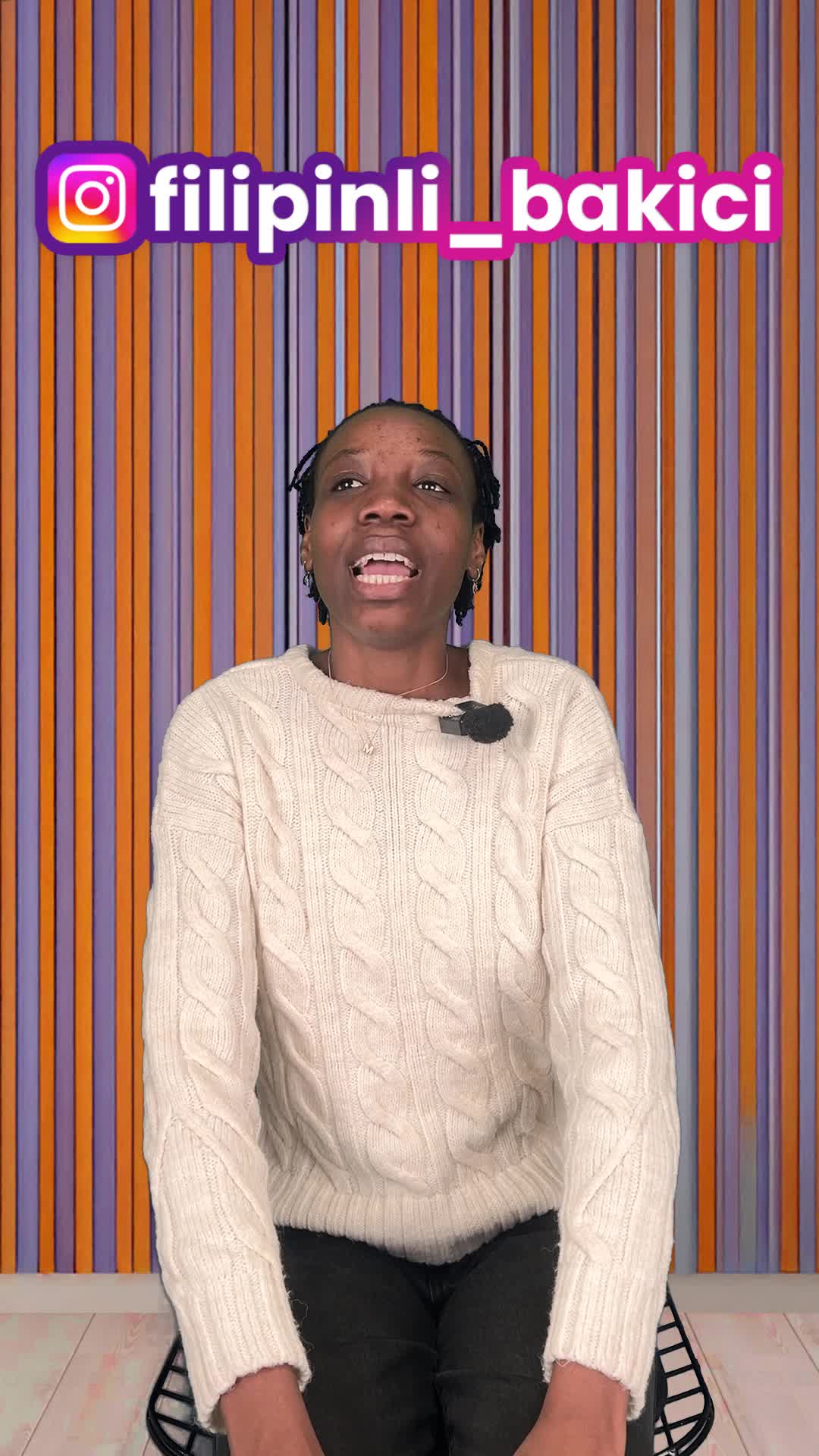
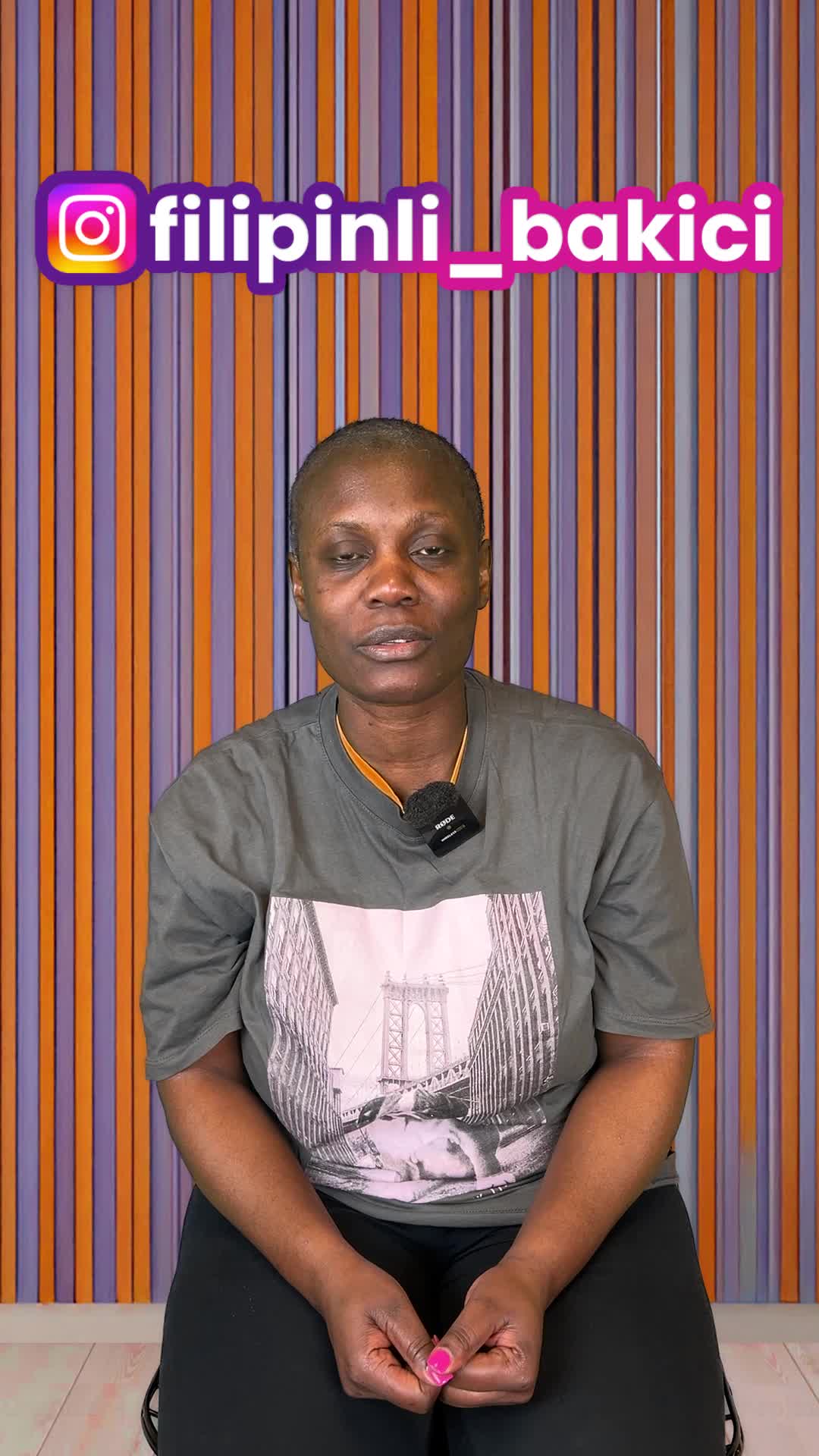
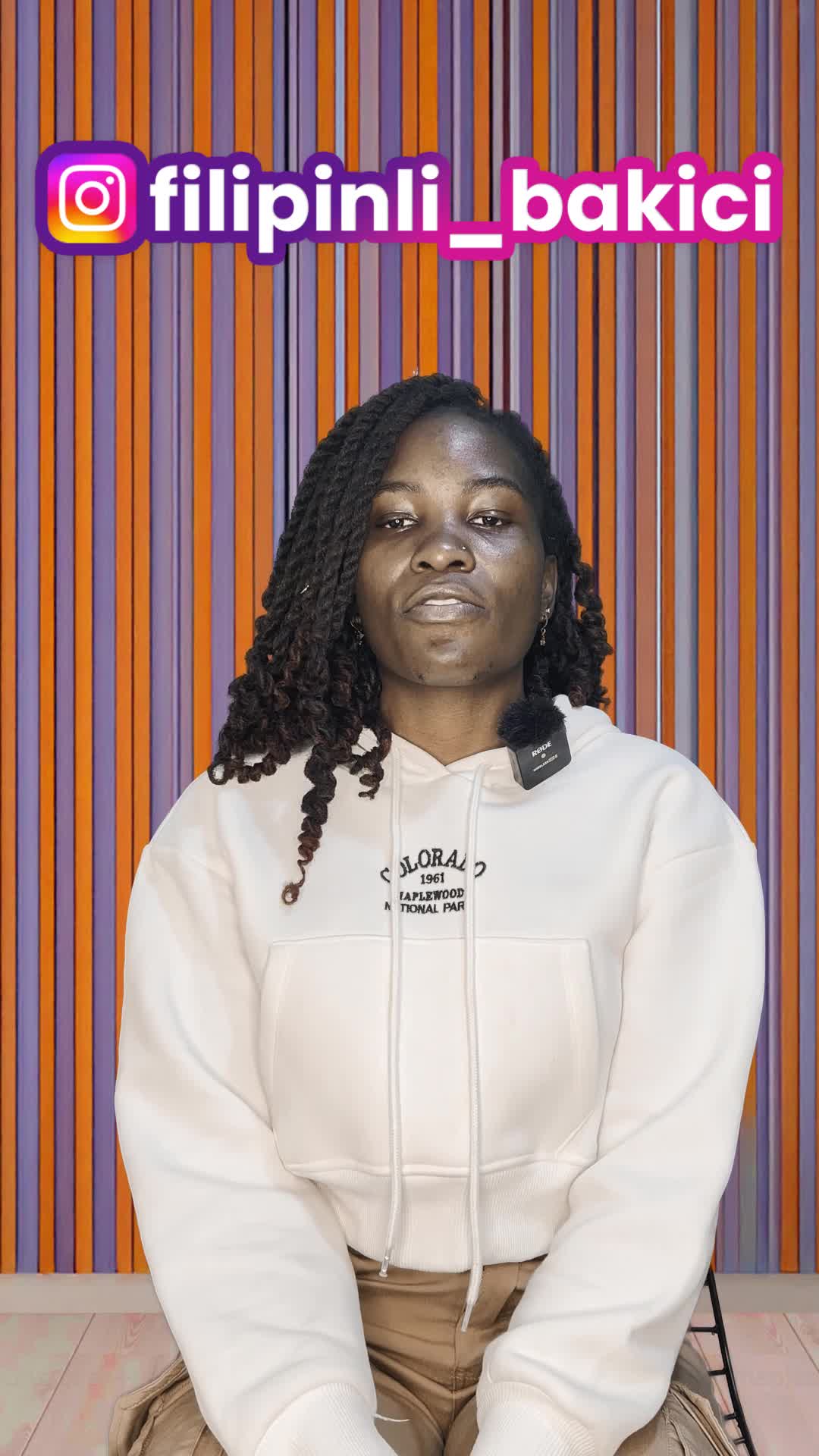
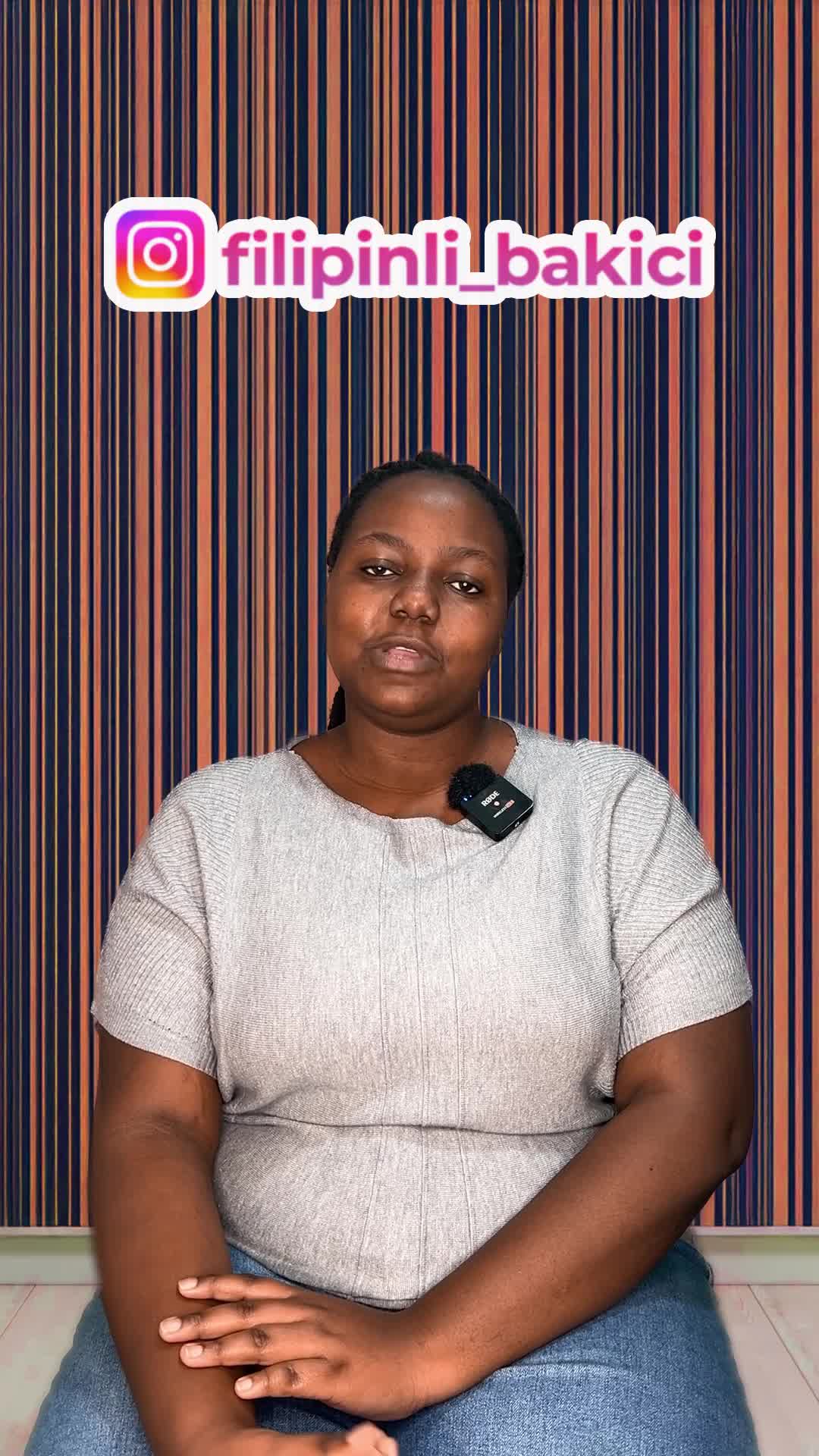
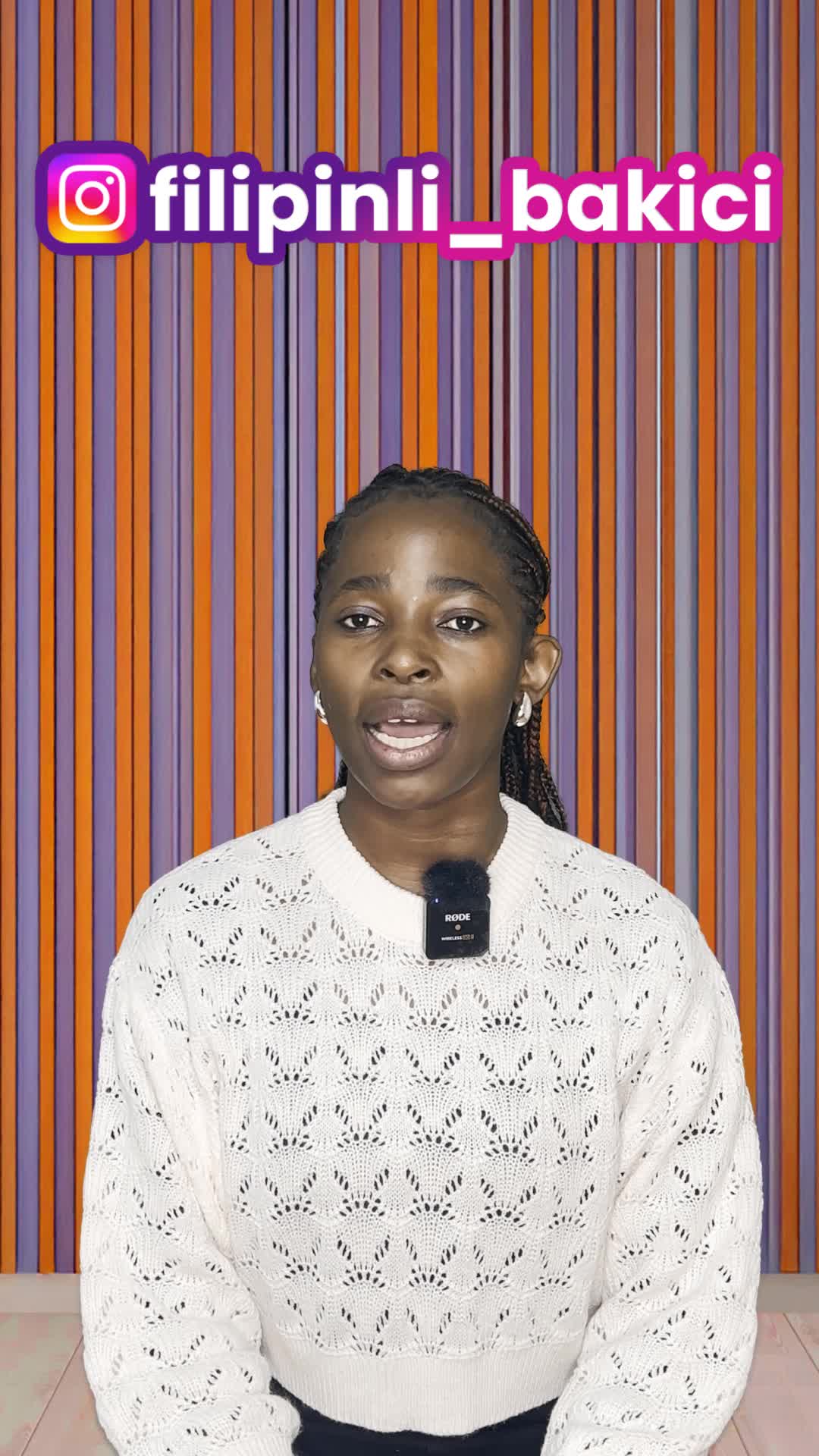
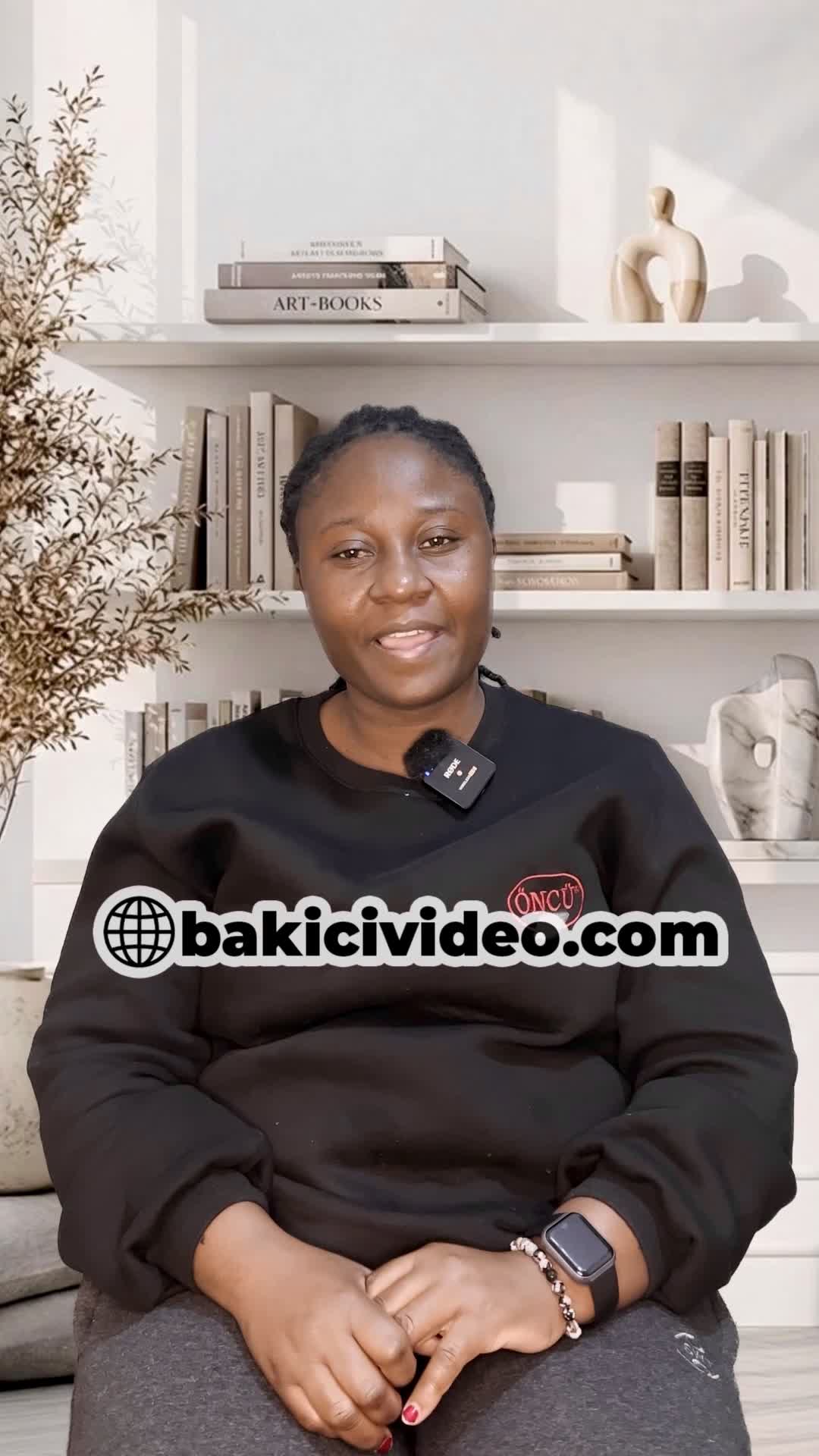
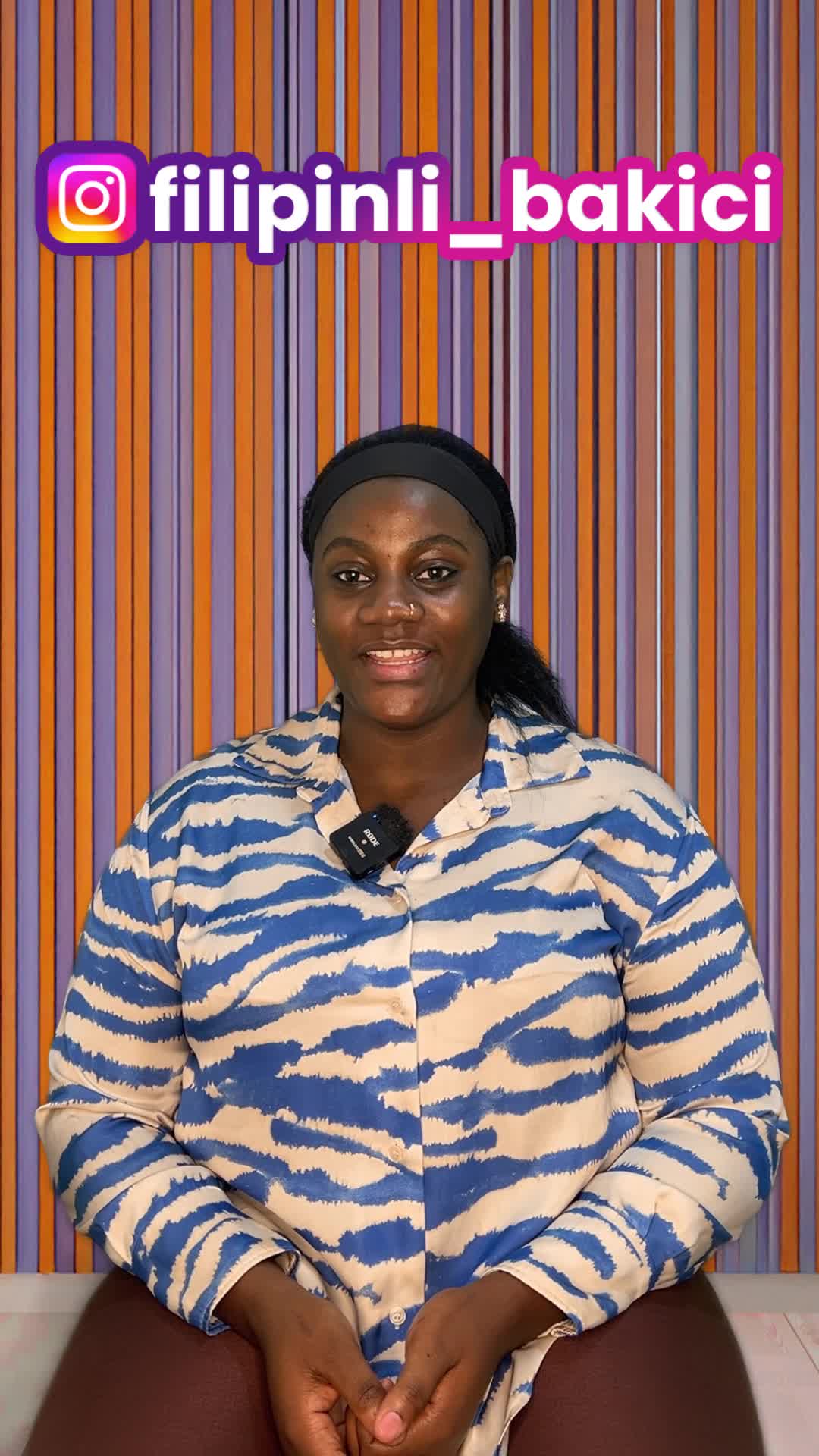
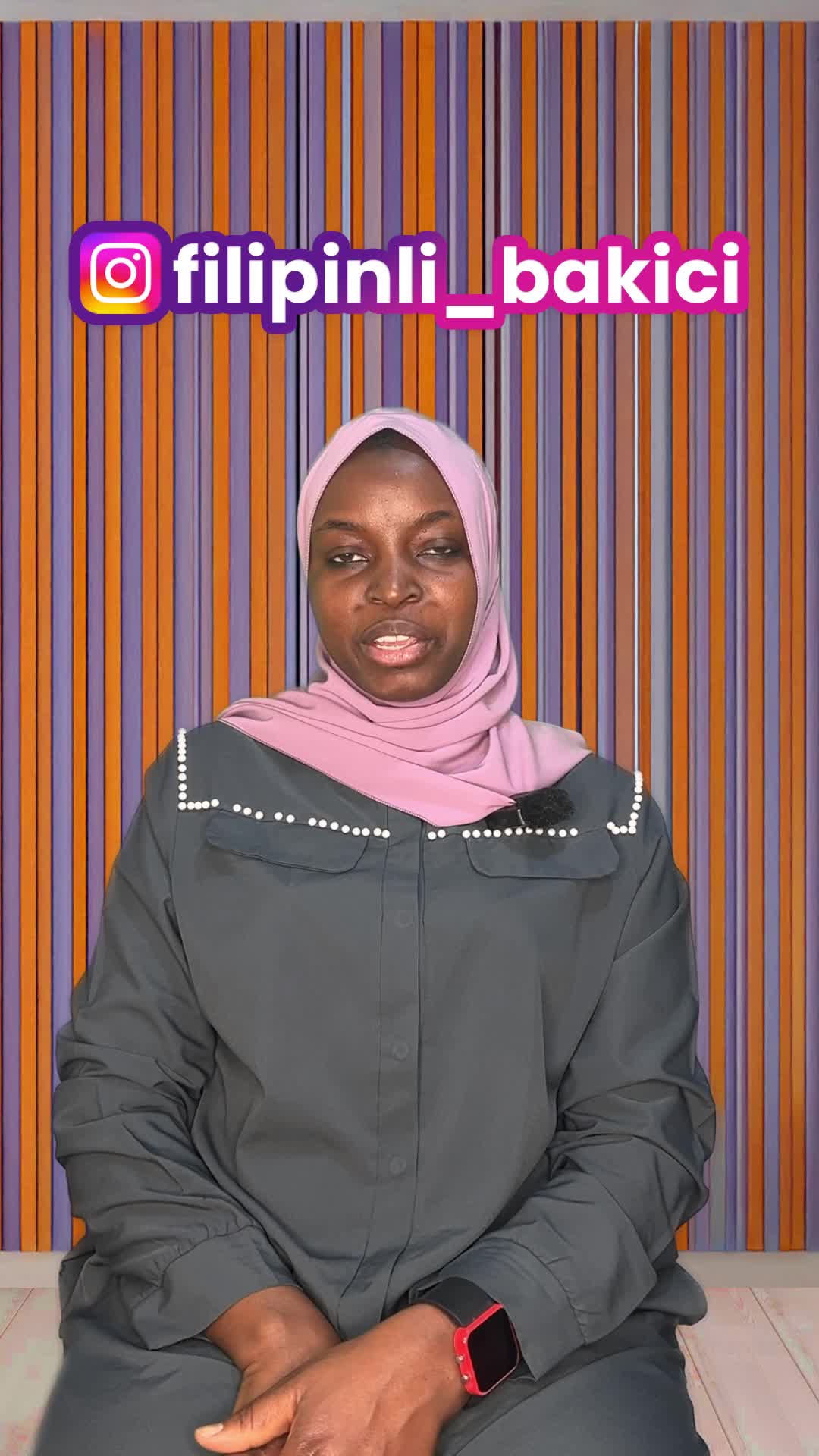

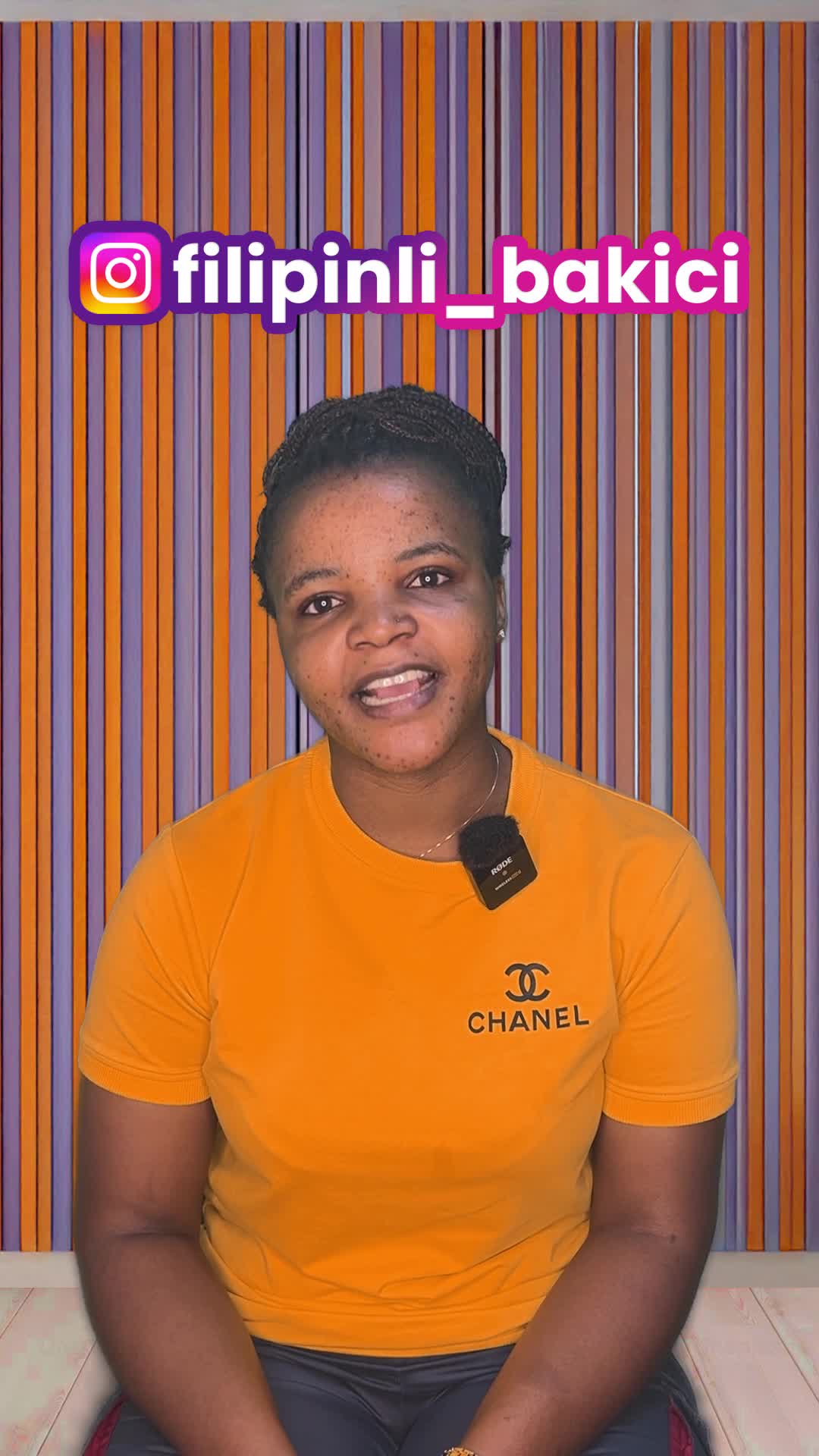
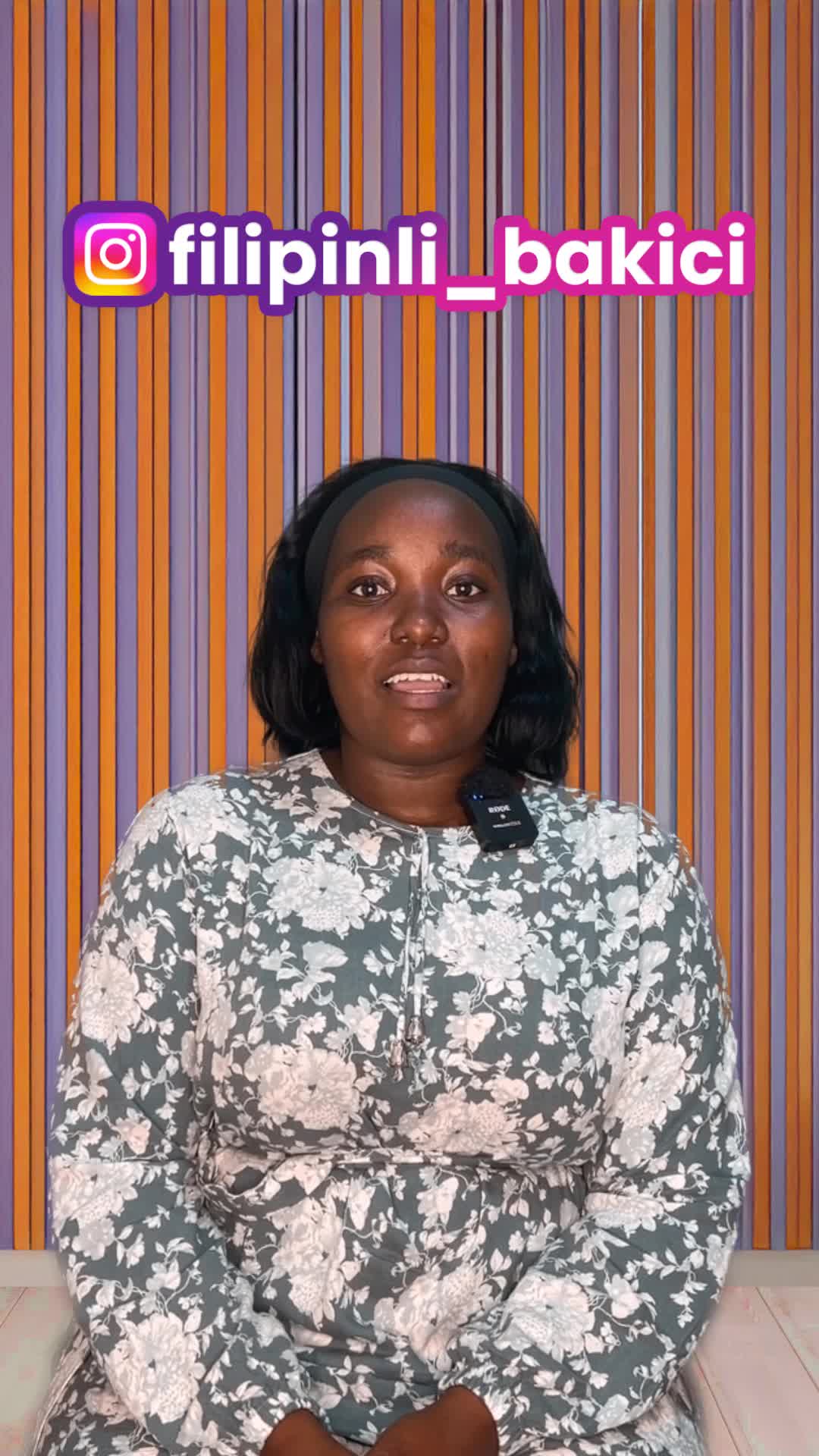
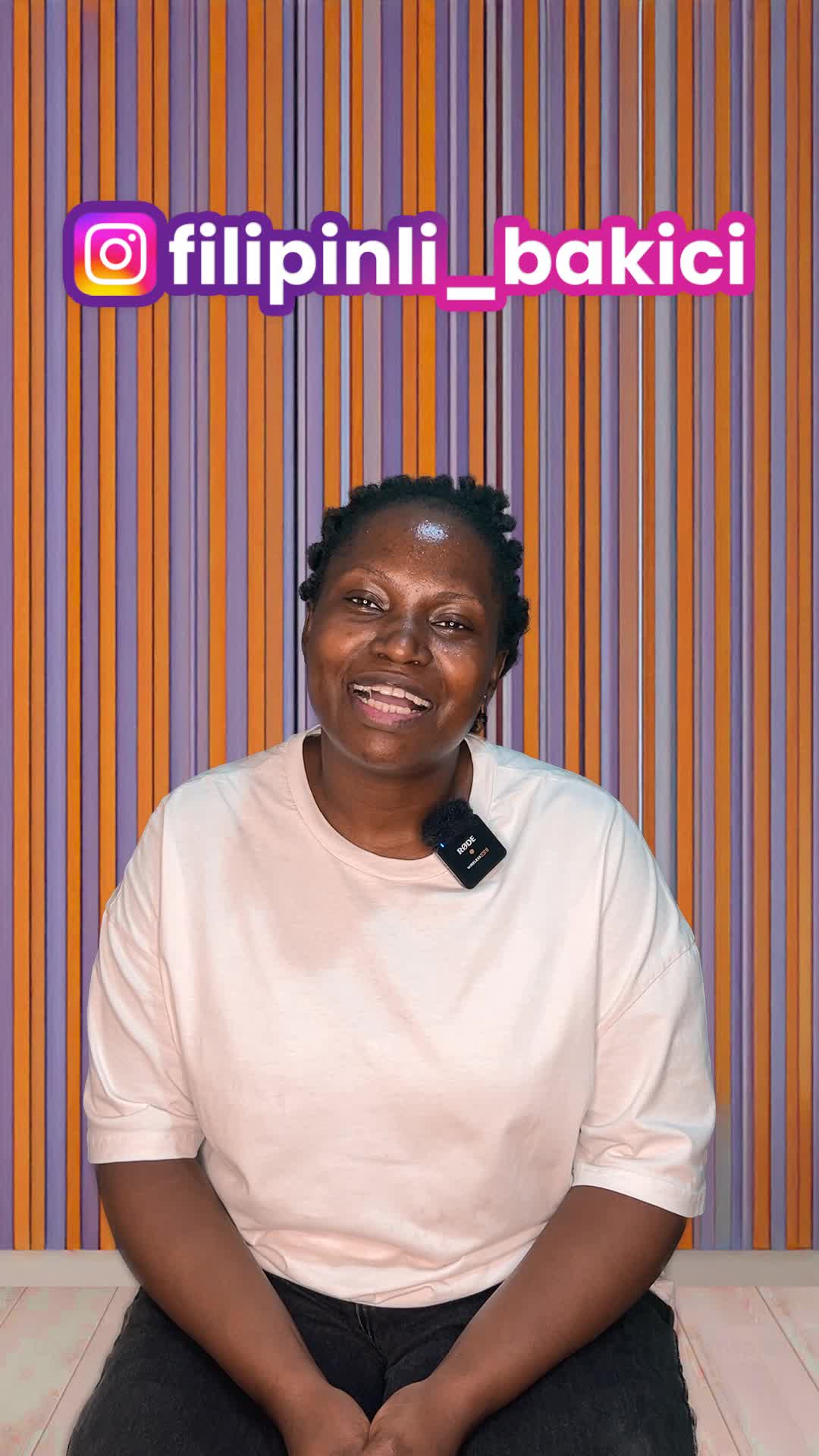
A Ugandan caregiver is a care staff member who provides support in child, elderly, and patient care, typically being foreign and adaptable to different cultures. The Ugandan caregiver service is designed to facilitate families' daily lives, organize care processes, and create a secure support system.
As a child caregiver, they assist in meeting children's daily needs, while as an elderly and patient caregiver, they can take on the individual's care, companionship, and daily living support. Solutions can be offered with live-in or daytime caregiver options to meet different needs.
For families seeking foreign caregivers, Ugandan caregivers stand out as one of the preferred alternatives, especially in terms of reliability, adaptability, and sustainable care support.
What is a Ugandan Caregiver and What Do They Do?
A Ugandan caregiver is a foreign assistant who plays an active role in supporting the daily lives of children, elderly, or sick individuals. These individuals do not only provide physical support; they also contribute to a care process aimed at organization, monitoring, and meeting basic needs.
The tasks within Ugandan caregiver services can vary based on the care needs. In child care, support focuses on nutrition, accompanying play activities, and monitoring daily routines. In elderly and patient care, tasks such as medication reminders, companionship, personal care support, and assistance with daily living activities are emphasized.
In the live-in caregiver model, the caregiver is involved in the care process for most of the day, while in the daytime caregiver option, support is provided during specific hours. This flexibility allows for the creation of a care plan suitable for each family's needs.
Ugandan caregivers are often preferred by families seeking foreign caregivers due to their disciplined work ethic and ability to adapt to different cultures. When compared to Filipino caregiver alternatives, they also stand out as a viable option that can provide long-term and sustainable care support.
Why Choose a Ugandan Caregiver?
For families seeking foreign caregivers, Ugandan caregivers are considered one of the options that can adapt to different needs and provide sustainable care support. Features such as a willingness to work long-term, a disciplined approach, and the ability to adapt to care processes can be influential in this choice.
The Ugandan caregiver service contributes not only to meeting daily needs but also to establishing a regular, trackable, and controlled care process. Therefore, families tend to turn to alternatives that can ensure a more planned progression of the care process.
Child Care Support
For families in need of a child caregiver, Ugandan caregivers can support children's daily routines by assisting with nutrition, play, and basic care processes. Thanks to their regular work habits, they help maintain children's daily schedules without interruption.
Elderly and Patient Care
In cases where elderly or patient care is needed, supporting the individual in daily living activities is a priority. By providing companionship, personal care support, and assistance with daily needs, the care process can progress more systematically.
In-Home Support and Adaptation
The care process often does not remain limited to individual support. Ugandan caregivers can also provide support in adapting to the household routine and contributing to daily operations. This is particularly helpful for working families in organizing their lives more easily.
What Services Does a Ugandan Caregiver Offer?
The Ugandan caregiver service is a support model that shapes itself according to the type of care needed and encompasses various areas. The services provided are planned according to the individual's age, health status, daily needs, and living arrangements. Therefore, the care process is organized not as a fixed pattern but as a personalized approach.
Child Care Support
Ugandan caregivers serving as child caregivers can assist in meeting children's daily needs. They can help with monitoring nutrition, accompanying play and activity processes, and maintaining sleep routines. The care process is shaped according to the families' expectations.
Patient and Elderly Care
Within the scope of patient and elderly caregiver support, assistance is provided in the individual's daily living activities. Companionship, help with personal care processes, and regular fulfillment of daily needs are among the fundamental components of care. This process is planned with a focus on the individual's comfort and safety.
Daily In-Home Support
In addition to the care process, maintaining a sustainable in-home order is also an important aspect. Ugandan caregivers can provide light in-home support depending on the care process. This support contributes to maintaining order and making daily life more practical.
What Does Ugandan Caregiver Service Include?
The Ugandan caregiver service is not limited to daily care support. The process encompasses multiple stages, such as accurately analyzing needs, identifying suitable candidates, and ensuring the care process progresses in an organized manner. Therefore, the service is approached within a planned and controlled structure rather than a standard application.
Personalized Care Plan
Each individual's care needs are different. Therefore, the Ugandan caregiver service is shaped according to the families' expectations and the situation of the person in need of care. Needs are analyzed in different areas such as child care, patient care, or elderly care, and a suitable care plan is created.
Live-in and Daytime Options
Depending on the intensity of the care need, live-in caregiver or daytime caregiver options are evaluated. In the live-in model, the care process covers most of the day, while in the daytime model, support is provided during specific hours. This flexibility helps create a solution suitable for the family's living arrangement.
Long-Term Care Support
Continuity is an important factor in care services. Evaluating candidates suitable for long-term work plans contributes to a more stable progression of the process. This is particularly important for children's adjustment periods and for maintaining the routines of elderly/sick individuals.
What to Consider When Choosing a Ugandan Caregiver?
Choosing a Ugandan caregiver is a critical step for the healthy and sustainable progression of the care process. An incorrect caregiver selection can lead to compatibility issues, a decline in care quality, and difficulties in process management. Therefore, it is important for the selection process to proceed with planned, controlled, and multi-faceted evaluation.
Experience and References
The caregiver's previous work experience and references are important criteria in the evaluation process. Especially for candidates who have worked as child caregivers, elderly caregivers, or patient caregivers, their past experiences can be decisive for adapting to the care process. Reference checks provide important information about the candidate's work discipline and reliability.
Communication and Compatibility
In the care process, not only technical competence but also communication and compatibility are of great importance. The caregiver must be able to adapt to the family structure, household order, and the character of the individual in need of care. Therefore, the candidate's communication skills should be carefully evaluated during the interview process.
Reliability and Process Control
In the selection of foreign caregivers, safety is one of the most important topics. Identity verification, document checks, and reviewing past work information are important parts of the process. Additionally, progressing with consultancy support in the caregiver provision process contributes to managing the process more controlled and securely.
How Does the Ugandan Caregiver Service Process Work?
The Ugandan caregiver service is not just a candidate selection process. The process consists of stages such as accurately analyzing needs, identifying suitable candidates, and starting the care process in a controlled manner. This structure helps families make the right decisions and ensures a healthier progression of the care process.
Needs Analysis
In the first step of the process, the family's expectations and care needs are evaluated in detail. Based on different needs such as child care, elderly care, or patient care, the working model (live-in caregiver or daytime caregiver), job description, and expectations are clarified. This stage forms a critical foundation for identifying the right candidate.
Candidate Identification
After the analysis, candidates that meet the established criteria are evaluated. Suitable Ugandan caregiver candidates are identified based on factors such as experience, references, communication skills, and compatibility potential. This process progresses not randomly but according to specific criteria.
Interview Process
The interview stage where families meet candidates is one of the most important steps in the decision-making process. In this stage, the expectations of both parties are evaluated mutually. The caregiver's communication, approach, and overall compatibility can be observed more clearly during this process.
Start and Follow-Up
After an agreement is reached with the suitable candidate, the care process is initiated. However, the process does not end here. In the early stages of the care process, adaptation, compatibility, and performance are regularly monitored. If necessary, guidance and support are provided to contribute to a healthier progression of the process.
Ugandan Caregiver Prices
Ugandan caregiver prices can vary depending on the scope of care needs and the working model. Therefore, it would be more accurate to conduct an evaluation shaped according to each family's needs rather than speaking of a fixed pricing.
As the details of the care process become clearer, the cost structure also becomes apparent based on the suitable candidate and working plan. At this point, what is important is not only price-focused planning but also planning suitable for a sustainable and secure care process.
Factors Affecting Prices
The main factors affecting pricing in Ugandan caregiver services are as follows:
- Type of care needed (child caregiver, patient caregiver, elderly caregiver)
- Daily working hours and scope of duties
- Caregiver's experience and past references
- Preference for live-in caregiver or daytime caregiver
- Additional responsibilities and special expectations
These factors can directly affect the scope of the service, so pricing may vary accordingly.
Working Model
The working model is one of the determining factors for pricing. In the case of a live-in caregiver, the care process covers most of the day, while in the daytime caregiver model, services are planned for specific hours.
Determining the right model according to the family's living arrangement and care needs helps ensure the process progresses efficiently and allows for healthier budget planning.
Damla Consultancy Ugandan Caregiver Service
Damla Consultancy has a professional structure that provides consultancy in the field of care and personnel provision with years of experience. The process is based not only on directing a caregiver but also on accurately analyzing needs and ensuring a reliable match with a suitable candidate.
Within the scope of Ugandan caregiver services, families' expectations are evaluated in detail, and suitable candidates are identified accordingly. Each candidate is included in the process after being examined in terms of experience, references, and compatibility criteria. This approach contributes to a more controlled and planned progression of the care process.
In the process of providing foreign caregivers, not only candidate selection but also the correct management of the process is important. Damla Consultancy supports families in making more informed decisions by providing guidance in needs analysis, candidate identification, and interview processes.
After the care process begins, communication and follow-up continue. Adaptation processes, performance evaluations, and necessary guidance are provided based on potential needs. This ensures that the process is kept under control not only in the initial phase but also in the ongoing periods.
This consultancy approach offered to families seeking Ugandan caregivers progresses within a structure focused on trust, continuity, and accurate matching.
Advantages of Working with a Ugandan Caregiver
Working with a Ugandan caregiver, when evaluated with the right candidate selection and planned process management, can contribute to a more organized and sustainable progression of the care process. Especially for families seeking foreign caregivers, they are among the alternatives that can adapt to different needs.
The Ugandan caregiver service is not limited to providing daily support; it also helps the care process progress more systematically. This supports the creation of a more balanced living arrangement for both the individual in need of care and the family.
- Continuity-focused working approach: Evaluating candidates suitable for long-term work plans ensures stability in the care process.
- Adaptability to different needs: A structure can be created that can provide support in different areas such as child caregiver, patient caregiver, or elderly caregiver.
- Planned and controlled process: The caregiver provision process, which progresses with consultancy support, becomes safer and more trackable.
- Flexibility of live-in and daytime options: Families can evaluate live-in caregiver or daytime caregiver options according to their living arrangements.
- Opportunity for alternative evaluation: When compared to Filipino caregiver alternatives, it can also stand out as an option that can provide sustainable care support.
These advantages contribute to addressing the care process not just as a temporary solution but as part of a long-term planning approach.
Frequently Asked Questions About Ugandan Caregiver Services
What is a Ugandan caregiver?
A Ugandan caregiver is a foreign care staff member who provides support in child, elderly, or patient care. The services provided are planned according to the family's needs, and the job description is shaped accordingly.
In which areas does a Ugandan caregiver provide support?
A Ugandan caregiver can assist primarily in child care, elderly care, and patient care, as well as in daily living support and maintaining basic household order. The scope of services is determined based on needs analysis.
Should a live-in caregiver or a daytime caregiver be preferred?
This preference depends on the intensity of the care need and the family's living arrangement. In situations where continuous support is required, a live-in caregiver may be more suitable, while a daytime caregiver may be preferred in cases where support is needed during specific hours.
Is a Ugandan caregiver reliable?
Reliability in caregiver selection is ensured through examining the candidate's references, evaluating their past experiences, and the controlled progression of the process. Therefore, processes that progress with consultancy support can yield healthier results.
Will there be communication issues with a Ugandan caregiver?
The communication process depends on the candidate's language level and adaptability skills. Therefore, it is important to consider communication criteria during the candidate selection and interview stages.
How are Ugandan caregiver prices determined?
Prices can vary based on factors such as the type of care needed, working model (live-in or daytime), level of experience, and scope of duties. A clear evaluation is made after determining the needs.
Contact
The Ugandan caregiver service, when evaluated with proper planning and suitable candidate selection, contributes to creating a sustainable support process in child, elderly, and patient care. What is important in this process is accurately analyzing needs and shaping the care plan accordingly.
For families seeking foreign caregivers, the controlled progression of the process and ensuring a match with the right candidate is of great importance. At this point, professional consultancy support prevents time loss and offers a more secure process management.
Damla Consultancy provides guidance in needs analysis, suitable candidate identification, and process follow-up within the scope of Ugandan caregiver services, supporting families in making more informed and secure decisions.
You can contact us to plan the care process correctly and evaluate suitable caregiver candidates. Getting detailed information about solutions tailored to your needs will be the first step in starting the process more healthily.
