
Indonesian Caregiver
Adayları Filtrele
Working Style
Dil
Age


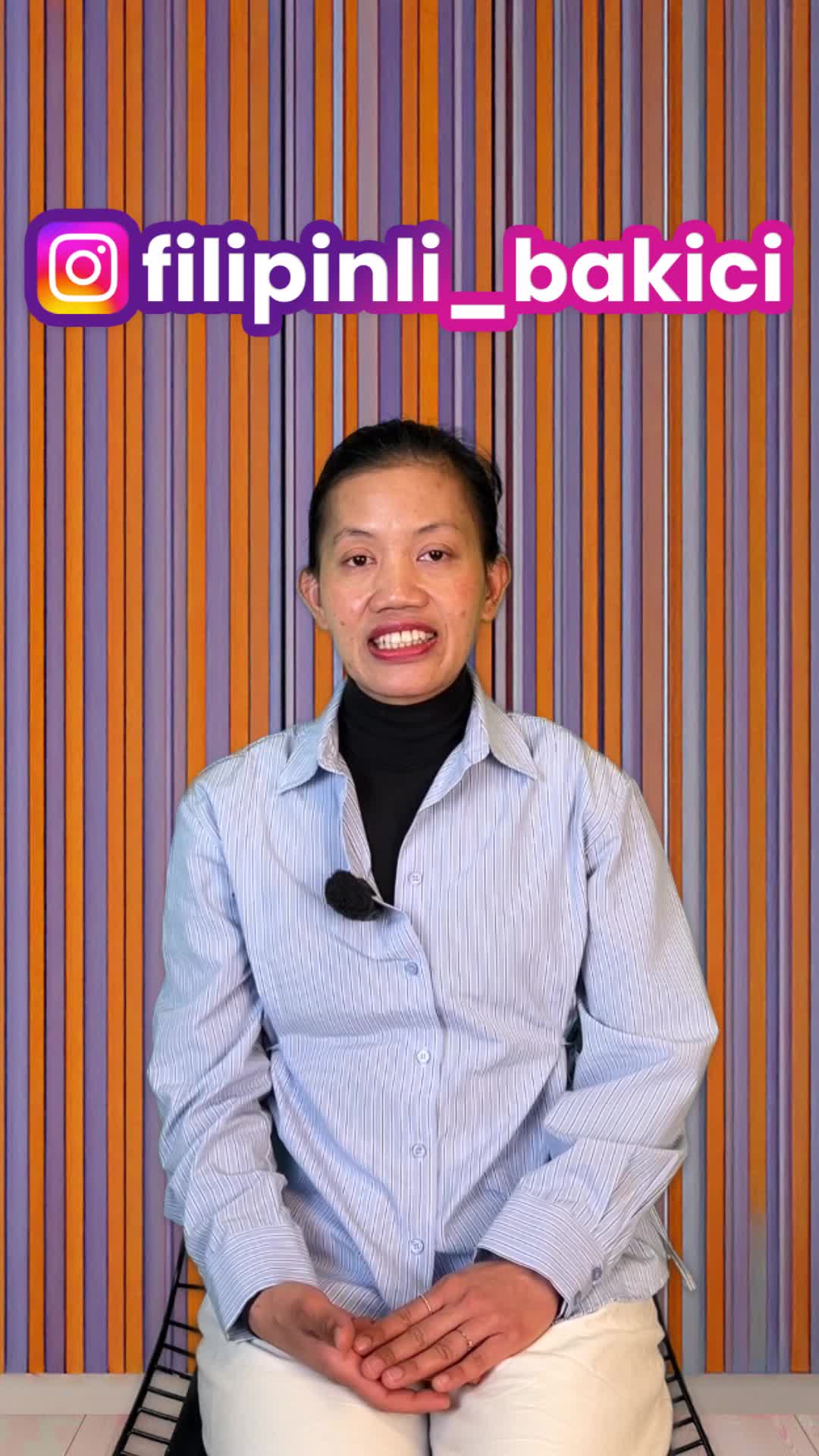
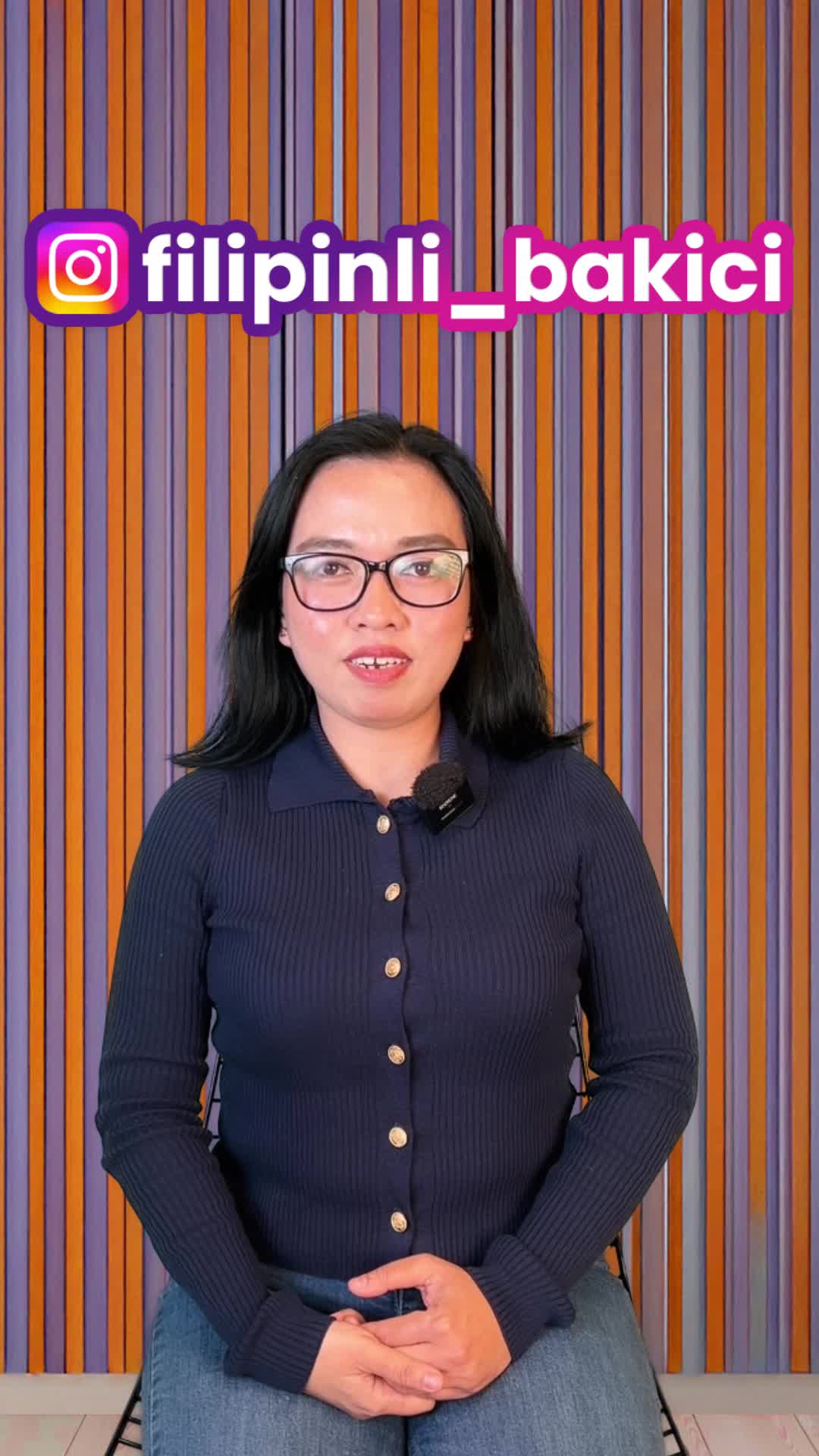
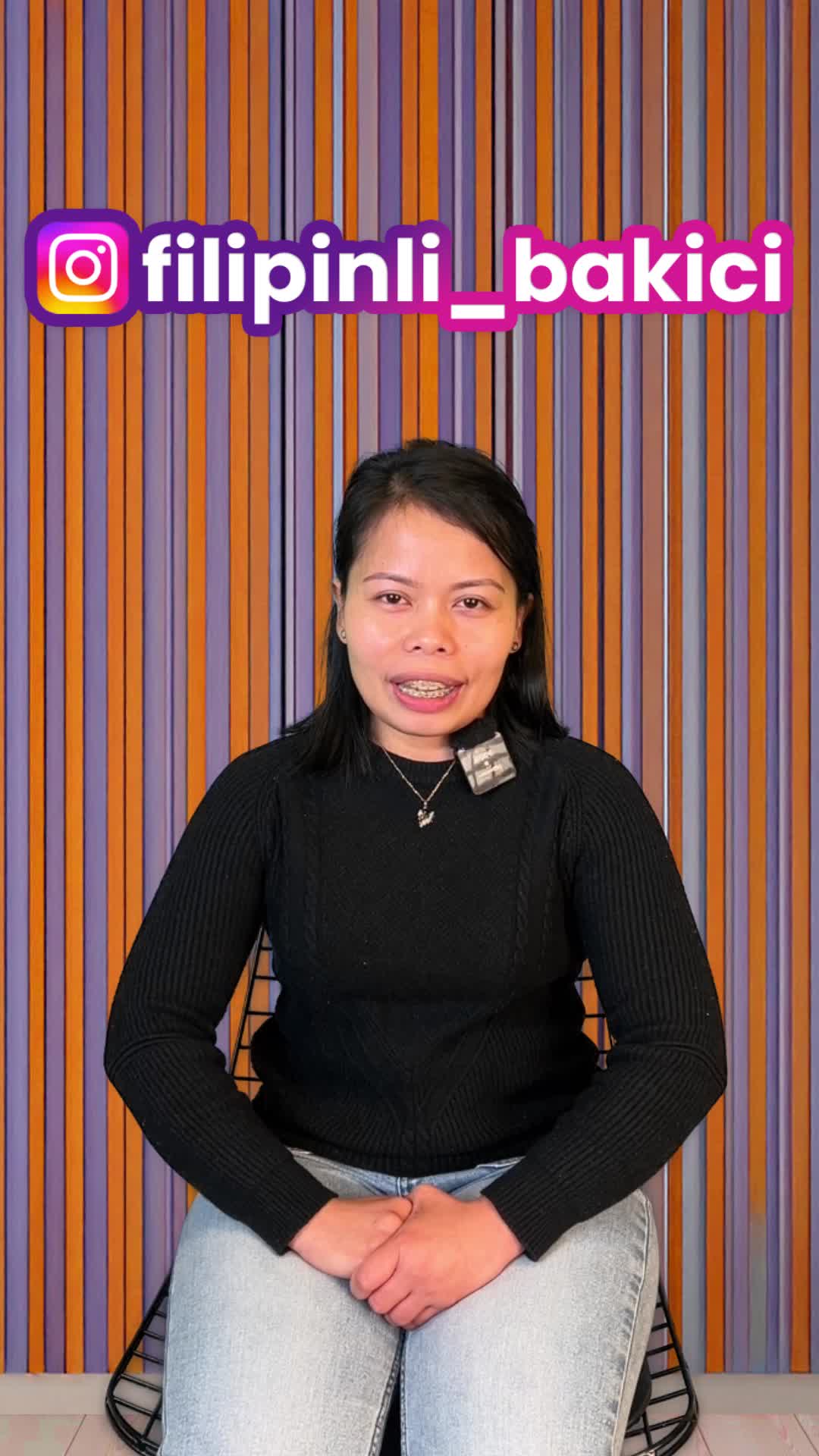
An Indonesian caregiver is a foreign caregiver who typically works in child, baby, elderly, and household support processes, known for being disciplined, adaptable, and experienced in care. The Indonesian caregiver service encompasses child care, elderly care, and daily household support tailored to family needs. Especially live-in Indonesian caregiver options are frequently preferred as they provide uninterrupted support throughout the day. These caregivers stand out due to their patient nature, easy adaptation to family life, and high sense of responsibility.
Today, many families wish to employ Indonesian caregivers to establish a reliable and sustainable care process. This process progresses safely and smoothly through the correct candidate selection and the thorough execution of legal procedures.
Who is an Indonesian Caregiver and What Services Do They Offer?
An Indonesian caregiver is a foreign caregiver profile who typically has experience in child, baby, elderly, and household care processes and is successful in adapting to family life. They are preferred for long-term work due to their disciplined work structure, patient approaches, and high sense of responsibility.
The Indonesian caregiver service is not limited to meeting basic care needs. It offers versatile support that facilitates families' daily lives. Especially when they serve as child caregivers, they actively participate in tracking the child's daily routine, ensuring a proper feeding schedule, and contributing to play and development processes.
In elderly and sick care, they can take on responsibilities such as providing personal care support, assisting with medication tracking, and supporting daily living activities. Additionally, they help reduce the family's burden by providing support in light household chores, organizing, and maintaining the living space.
Indonesian caregivers offer a care solution that can respond to needs at any time of the day, especially due to their ability to adapt to a live-in working system. This means a more sustainable and secure care process for families.
Why Are Indonesian Caregivers Preferred?
Indonesian caregivers have been preferred by many families in recent years as a reliable and sustainable care solution. The main reason for this is their disciplined work understanding, adaptable nature, and careful approach to care processes. Their ability to provide stability in long-term work is an important advantage for families.
For families looking for foreign caregivers, trust, communication, and adaptation are among the most critical issues. Indonesian caregivers contribute to a smoother process by presenting a balanced profile in these three areas. Their respect for family order and their meticulous fulfillment of responsibilities strengthen the reasons for their preference.
Their Experience in Baby and Child Care
Indonesian caregivers are generally experienced in child care. In addition to meeting the daily needs of babies, they can regularly track children's routines. Their patient and calm approaches make it easier for them to establish a trust relationship with children. This situation provides a significant advantage, especially for working parents.
Disciplined and Adaptable Work Structure
Disciplined work habits are one of the most prominent features of Indonesian caregivers. Their ability to carry out assigned tasks in a planned manner and adhere to working hours ensures the orderly progress of the care process. Their respect for household rules also creates a harmonious working environment within the family.
Easy Adaptation to Family Structure
Thanks to their ability to adapt to different cultures, Indonesian caregivers can quickly adjust to family life. Their respectful communication style and calm approaches help establish a peaceful balance in the home environment. With these qualities, they can build healthy relationships with both children and other family members.
What Does Indonesian Caregiver Service Include?
Indonesian caregiver service is a comprehensive support process shaped according to the family's needs. Instead of focusing on a specific area, it offers versatile services that contribute to child care, elderly care, and daily household organization. This way, families can meet multiple needs with a single caregiver.
The scope of the service is clarified based on the caregiver's experience and the family's expectations. At this point, making the right match is critical for the healthy progress of the process.
Baby and Child Care
Indonesian caregivers are most often preferred as child caregivers. They actively participate in meeting babies' basic needs, ensuring a proper feeding schedule, and tracking sleep routines. For older children, they support processes such as play, activities, and daily routine tracking.
The care process is shaped according to the child's age and needs. Their regular and patient approaches enable them to establish a strong bond with children.
Elderly and Sick Care
They provide support to help elderly individuals maintain a more comfortable daily life. They assist with personal care, meeting daily needs, and tracking routines.
In sick care, it is important to provide support according to the care plan set by the doctor. The caregiver's carefulness and sense of responsibility during this process directly affect the quality of care.
Household Support Services
In addition to their main duties, Indonesian caregivers can also assist with light household chores. Tasks such as helping with meal preparation, maintaining the order of the living space, and daily tidying can be included in the service scope.
This support makes it easier for working families to manage their daily lives.
Live-in Indonesian Caregiver Service
The live-in Indonesian caregiver service is a working model where the care process spans the entire day, and the caregiver resides in the same house as the family. It is one of the most practical and sustainable solutions, especially for families with continuous care needs. In this model, the caregiver becomes familiar with all daily routines and can provide immediate support to needs.
Families who choose a live-in Indonesian caregiver gain the advantages of continuity and order in the care process. Additionally, having the child or the individual in need of care bond with a single person creates a positive psychological effect.
Live-in Caregiver Working System
In the live-in system, the caregiver works with a schedule that allows for days off during the week. Daily tasks are planned according to the needs of the child or the person receiving care and are evenly distributed throughout the day.
The most important point in this system is that the job description is clearly defined from the beginning. When working hours, responsibilities, and days off are clearly planned, a healthier process is created for both the family and the caregiver.
Advantages of Live-in Service
The live-in Indonesian caregiver service provides significant conveniences, especially for families living in a fast-paced environment. The uninterrupted meeting of care needs throughout the day helps parents establish a balance between work and personal life.
Additionally, the ability to receive quick support in emergencies, meet nighttime needs, and maintain the child's routine without disruption are advantages that highlight this model. In the long term, the caregiver's adaptation to the family order ensures a more stable and secure care process.
Is It Legal to Employ an Indonesian Caregiver?
Employing an Indonesian caregiver is legal in Turkey. However, for this process to proceed legally, obtaining a work permit is mandatory. Employing a foreign caregiver without a work permit can lead to serious penalties for both the employer and the caregiver.
Therefore, managing the process correctly is crucial for providing legal security and establishing a long-term, trouble-free working relationship. Progressing with professional consultancy support ensures that the process is completed quickly and without errors.
Foreign Caregiver Work Permit
The Indonesian caregiver work permit is obtained through an application made to the relevant official institutions. During the application process, various documents belonging to the employer and the caregiver must be prepared. These documents include official papers covering identity information, residency status, and working conditions.
The work permit allows the caregiver to work legally in Turkey and also provides official security for the employer. Employments made without this permit can lead to administrative fines and legal issues.
Work Permit Application Process
The application process requires the correct sequence of specific steps to be completed. First, the caregiver must be in an appropriate status, and the necessary documents must be prepared without any omissions. Then, official applications are made, and the process is evaluated by the relevant institutions.
Even small mistakes made at this stage can cause delays or negative outcomes in the process. Therefore, many families prefer to receive consultancy services to manage the process professionally when employing an Indonesian caregiver.
What Should Be Considered When Choosing an Indonesian Caregiver?
Choosing an Indonesian caregiver is one of the most critical stages that directly affects the quality of the care process. Determining the right candidate requires evaluating not only experience but also character, communication, and reliability together. Therefore, the selection process must be conducted in a planned and meticulous manner.
A wrong choice can negatively affect both the family order and the care process. At this point, obtaining professional consultancy support minimizes risks and ensures the right match.
Experience and Reference Check
The candidate's previous work experiences should be examined in detail. Having experience in areas such as child care or elderly care is an important advantage. Decisions should not be made without conducting a reference check.
Feedback from previous employers provides important clues about the candidate's work discipline and sense of responsibility. This way, a more reliable selection can be made.
Communication and Adaptation
Communication between the caregiver and the family is one of the fundamental elements for the healthy progress of the process. The candidate's communication skills, ability to express themselves, and understanding of family expectations are important.
Cultural adaptation should also be taken into account. While the adaptable nature of Indonesian caregivers provides an advantage in this regard, the suitability of each candidate to the family structure should be evaluated separately.
Reliability
One of the most important criteria in caregiver selection is the element of trust. The candidate's background, work habits, and sense of responsibility should be carefully analyzed.
A reliable caregiver is someone who fulfills assigned tasks completely, respects family rules, and is willing to work long-term. These qualities form the basis for a sustainable care process.
How Does the Indonesian Caregiver Service Process Work?
The Indonesian caregiver service is a planned and controlled process that progresses through specific steps. The goal is to accurately identify the most suitable caregiver for the family's needs and to complete the process smoothly. A professional consultancy process prevents time loss and minimizes the risk of wrong selection.
Damla Consultancy manages this process transparently and systematically from start to finish, allowing families to proceed with confidence.
Needs Analysis
The first step of the process is to clearly define the family's expectations. The area in which the caregiver will work (child care, elderly care, household support), the working style (live-in or daytime), and special expectations are analyzed in detail.
This analysis is the most critical stage for determining the right candidate.
Candidate Presentation
Indonesian caregiver candidates who meet the established criteria are presented to the family. The candidates' experiences, references, and competencies are shared in detail.
The aim at this stage is to facilitate the selection process by presenting the most suitable alternatives to the family.
Interview Process
One-on-one interviews are organized between the family and the candidates. These interviews are evaluated in terms of the candidate's communication, approach, and compatibility with the family.
Clarifying mutual expectations is of great importance for long-term compatibility.
Work Permit Procedures
The work permit process for the selected candidate is initiated. Necessary documents are prepared, and the application process is followed professionally.
Proper management of this stage ensures that the process is completed quickly and smoothly.
Starting Work
After all procedures are completed, the caregiver starts working. Necessary guidance is provided from the first days to ensure the process progresses correctly.
Damla Consultancy not only provides support during the placement process but also contributes to the healthy continuation of the process afterwards.
Indonesian Caregiver Prices
Indonesian caregiver prices can vary based on the caregiver's experience, working style, and responsibilities. Therefore, rather than discussing a fixed pricing structure, it is more accurate to conduct a special assessment for each family based on their needs.
Especially when a live-in Indonesian caregiver is preferred, factors such as salary structure, accommodation, meals, and leave arrangements also affect pricing. In the daytime working model, working hours and the scope of duties are among the determining factors.
Live-in Caregiver Salaries
The salary of a live-in Indonesian caregiver can vary based on the candidate's experience, previous references, language proficiency, and area of care. Stable and experienced candidates are generally evaluated in higher salary ranges for long-term work.
Additionally, weekly leave arrangements and extra responsibilities can also affect the salary. Therefore, the most accurate pricing emerges after clearly determining the needs.
Factors Affecting Salary
The main factors determining prices in Indonesian caregiver services are as follows:
- Caregiver's level of experience
- Working model (live-in / daytime)
- Job description and scope of responsibilities
- Language proficiency and communication level
- Working hours and leave arrangements
Each of these factors directly affects pricing, so the evaluation process must be conducted in detail.
Damla Consultancy Indonesian Caregiver Service
Damla Consultancy is a professional consultancy company that has been operating in the field of caregiver provision for many years and specializes in foreign caregiver processes. By accurately analyzing the needs of families, it identifies the most suitable Indonesian caregiver candidates and offers a reliable matching process.
In the Indonesian caregiver service, not only are candidates presented, but every stage of the process is managed in a planned and controlled manner. This approach ensures that families reach the right caregiver and complete the process safely.
During the candidate selection process, criteria such as experience, references, communication skills, and compatibility are meticulously evaluated. Thus, every candidate presented to the family meets a certain quality standard. This significantly reduces the risk of wrong selection.
Damla Consultancy also provides consultancy during the Indonesian caregiver work permit process. The preparation of necessary documents, proper application, and tracking of the process are carried out professionally. This way, families can proceed safely without dealing with legal processes.
With transparent communication, a sustainable service approach, and post-process support, Damla Consultancy positions itself not only as a caregiver provider but also as a long-term solution partner.
Advantages of Working with an Indonesian Caregiver
Working with an Indonesian caregiver means not only a care solution for families but also regular, reliable, and sustainable life support. When the right candidate is selected, the care process progresses more stably, and family balance is maintained.
One of the most important advantages of Indonesian caregivers is their willingness to work long-term. This is particularly important for children to bond with the same person and for the care routine to remain intact.
Another significant advantage is their disciplined and responsible work structure. Their ability to carry out assigned tasks regularly makes daily life easier for families. Additionally, their compliance with household rules contributes to a peaceful environment.
When a live-in Indonesian caregiver is preferred, the care process becomes uninterrupted. The ability to respond to needs at any hour of the day offers great comfort, especially for busy working families.
Indonesian caregivers also exhibit a culturally respectful and adaptable approach. With these qualities, they can quickly adapt to the family structure, and the communication process progresses more healthily.
All these advantages make the Indonesian caregiver service not just a short-term solution but a long-term and reliable care model.
The Indonesian caregiver service offers a safe, sustainable, and comfortable care solution for families through proper candidate selection and professional process management. Especially when long-term work is targeted, progressing with a caregiver who presents adaptation, discipline, and trust together provides significant advantages for both children and family members.
As Damla Consultancy, we meticulously identify the most suitable Indonesian caregiver candidates for your needs, plan the entire process on your behalf, and provide professional support at every stage, including the work permit.
If you want to find the right caregiver for your family safely and manage the process smoothly, you can contact us. Our expert team is ready to analyze your needs and offer you the most suitable solution.
