
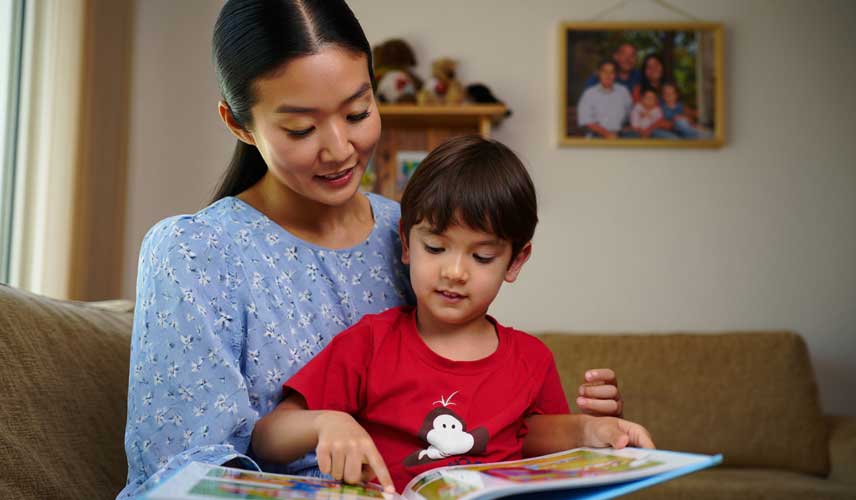
Preferred Filipino Caregiver at Work
One of the biggest challenges for working parents is deciding who to entrust their children to while they are at work. Finding a reliable and qualified caregiver is not always easy. In fact, there are even those who change caregivers twice in a month. Nowadays, interest in foreign caregivers, especially Filipino nannies, is at the top of preferences and is increasing day by day. But why this demand?
Initially, the best way to understand the increasing interest in Filipino workers is to compare them with non-Filipinos. Filipino nannies and caregivers appear to be far superior to others in terms of English, educational background, and cultural understanding. They know the value of their work and do not behave frivolously. Managing Filipino workers is also very easy. Generally, they do not engage in deceitful practices. They work honestly and diligently.
Filipino workers are generally raised from a young age. It is important not to disturb Filipino employees on Saturday afternoons and Sundays for their future performance. On Saturday nights (Sabado night), they gather together and take turns singing karaoke. This is their biggest entertainment, and they never skip it.
Outstanding Features of Filipino Caregivers
The fundamental factors behind the high demand for Filipino caregivers are the distinct advantages they offer compared to other caregiving profiles.
-
English Proficiency: The medium of instruction in the Philippines is English, which enables the vast majority of Filipino caregivers to speak English fluently. This provides a unique opportunity for children to be introduced to a second language at an early age and to potentially speak English as their native language in the future. An environment where English is constantly spoken at home transforms language learning from a tedious lesson into a natural process. Children are exposed to English while playing games, eating, or engaging in daily activities. This helps them unconsciously develop their pronunciation, vocabulary, and grammar skills.
-
Educational Level and Professionalism: Do not underestimate caregivers; many of them have an education that can be considered academic. Among Filipino caregivers, it is common to find those with bachelor's degrees in fields such as teaching, nursing, or child development. This high level of education not only provides them with basic caregiving skills but also deep knowledge about child psychology and development. Thus, they can plan age-appropriate activities and create games that support children's mental and social development. Their commitment to their work and discipline is also commendable. They take their work seriously and do their best to meet the expectations of families. Honesty and reliability are integral parts of their character.
-
Cultural Adaptability and Warmth: Filipino caregivers are warm, cheerful, and adaptable individuals. These traits allow them to quickly establish strong bonds with families and children. Most can play at least one musical instrument, paint, or engage in various art forms. These skills allow children to explore their creativity and develop hobbies. The initial concern of "Will we be able to communicate?" quickly gives way to a comfortable trust. Additional skills, such as the ability of Filipino caregivers to prepare delicious meals from Asian cuisine or their meticulousness in cleaning and organizing, also enhance family satisfaction.
From Governess to Caregiver: Filipino Nannies at Work
There used to be famous 'French governesses'. Nowadays, they have been rightly replaced by Filipino child caregivers. Why has the trend changed like this?
In the late Ottoman period and "old Turkey," those with international connections, representatives of the private sector, and educated high-level bureaucrats were in good economic conditions, and this group wanted the influence of Western culture on their children's education from as early as possible, believing that civilization was in the West. This need led to the widespread adoption of Western governesses in Turkey.
Families with good economic conditions, who want their children to think and live like enlightened people in the developing world, employed Western governesses, especially the most well-known ones, to raise their children from infancy, following the principle that "a tree is bent while it is young." The aim was not just to learn a language. To learn a foreign language properly and sufficiently, and to adapt easily to the circle of Western civilization, governesses were frequently employed. These governesses would try to educate the children they took on in foreign languages, music, handicrafts, and Western etiquette from a young age.
So what happened next? Over time, the context began to change. As the number of economically well-off and working parents increased in our country, parallel to the developing and changing world, this situation spread to the general population. Parents are now aware that at least one foreign language can be quite beneficial for their children in a globalized world. This need has highlighted Filipino caregivers as the most qualified workers in this field.
They are not Westerners, but they speak English. Therefore, they can provide an English-speaking environment for children that families cannot offer themselves. Thus, children can engage with English from a young age and potentially speak it as their native language in the future, opening up to the world. At least, this is what is expected.
Changes Brought by Filipino Caregivers
Those who work with Filipino caregivers can confidently say that most of them have good English skills and excellent work discipline. The value these professionals add to the home encompasses much more than just children's language development. For example, when a 2-year-old child brings a toy car that has run out of battery and says, "it's not working," it feels like a small miracle for families and is a sign of tangible progress in language development.
They are morally very good and very respectful; the terms 'sir-madam' are never absent from their language, and when they learn something they didn't know, they do everything they can. This ability to adapt makes them not just a caregiver but a part of the family.
Legal and Cultural Aspects of Employing Filipino Caregivers
When employing Filipino caregivers, it is crucial to manage the legal processes correctly. Official procedures such as flights, visas, residency, and health checks must be completed thoroughly. These processes can usually be carried out smoothly through specialized consulting firms. Including a Filipino worker in your home as a "qualified and equipped employee with a valid work permit" secures the rights of both you and the caregiver.
In conclusion, Filipino caregivers are highly qualified professionals who best meet the needs of the modern world in terms of language, education, and cultural adaptability. They are not just "money-minded" individuals but talented and hardworking individuals who want to receive the rewards of their labor. The increasing interest in them is based on the "fatigue from different caregivers" and the quest for the best service. Therefore, for parents looking for a job, Filipino caregivers have become the first and most logical choice.
Nanny and Caregiver Selection Other Content in the Category

Nanny and Caregiver Selection
Why Should You Prefer Filipino Caregivers?
Nanny and Caregiver Selection
Why Should You Choose a Turkmen Caregiver?

Nanny and Caregiver Selection
Turkmen Caregiver or Uzbek Caregiver?

Nanny and Caregiver Selection
How to Find a Reliable Turkmen Caregiver?
Nanny and Caregiver Selection
Turkmen Caregiver Salaries

Nanny and Caregiver Selection
Daytime Turkmen Caregiver

Nanny and Caregiver Selection
Turkmen Caregiver Service in Istanbul

Nanny and Caregiver Selection
Turkmen Caregiver Prices 2026

Nanny and Caregiver Selection
Why Should You Prefer an African Caregiver?

Nanny and Caregiver Selection
African Caregiver or Filipino Caregiver?

Nanny and Caregiver Selection
How to Find a Reliable African Caregiver?

Nanny and Caregiver Selection
African Caregiver Salaries

Nanny and Caregiver Selection
African Caregiver Prices 2026
Nanny and Caregiver Selection
Daytime African Caregiver

Nanny and Caregiver Selection