
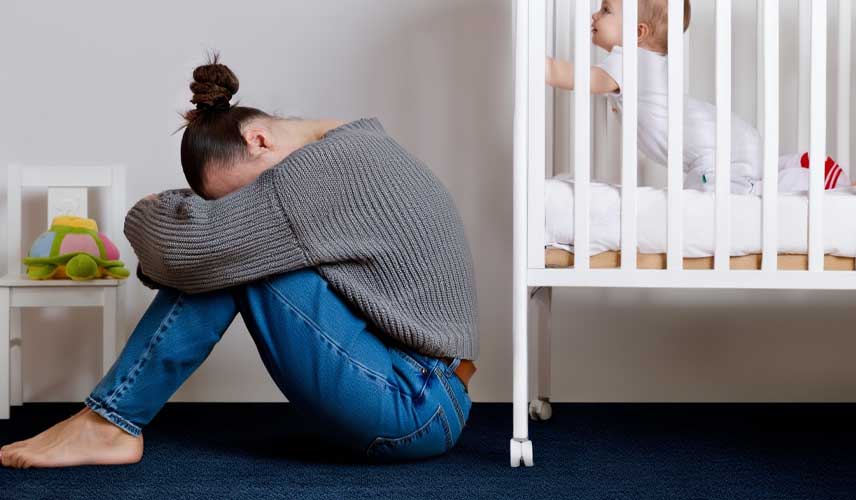
What is Postpartum Depression, Its Causes and Symptoms?
Postpartum depression or postnatal depression is a serious mental health issue that can occur immediately after childbirth or at any time within the following year. While having a baby can be an indescribable source of joy and excitement for many women, it can also bring about mild sadness and anxiety. This condition usually resolves on its own within a few weeks and is referred to as "baby blues." However, some mothers experience much more severe and prolonged issues, and in such cases, they may need to seek professional help. This article provides a comprehensive guide to understanding the different types of postpartum emotional changes, their symptoms, causes, and how to cope with these situations.
Postpartum Emotional Changes: Normal or Need for Help?
A woman who has just become a mother may experience three different mood changes, each with varying degrees of severity.
-
Baby Blues: This is the most common type of postpartum emotional change and is considered normal. It occurs in about 80% of mothers. The main symptoms include sudden shifts from happiness to sadness, unexplained crying, discomfort, anxiety, impatience, and feelings of loneliness. It typically begins within the first few days after childbirth and resolves on its own within 1-2 weeks. Most of the time, it disappears without the need for treatment. The most important thing for the mother to do during this period is to rest adequately, talk to her partner and close friends, and accept support.
-
Postpartum Depression (PPD): This is a much more severe and long-lasting condition than baby blues. PPD can appear days or even months after childbirth, leading the mother to experience the problems of baby blues in a much more intense way. A woman experiencing this issue should see a doctor if she finds it difficult to perform daily tasks or fulfill her responsibilities. PPD can seriously affect the mother's bond with her baby, family relationships, and overall quality of life. This is not a fault or weakness of the mother but a medical condition that needs treatment.
-
Postpartum Psychosis: This extremely severe mental illness occurs in about 1 in 1000 cases and requires immediate treatment. It often appears within the first three months after childbirth and can cause the mother to lose touch with reality. A woman experiencing postpartum psychosis may hear or see things that are not there (hallucinations) or believe in irrational things (delusions). She may also experience strange feelings, exhibit odd behaviors, be excessively irritable and angry, and suffer from insomnia. This condition requires emergency medical intervention, and the mother must be hospitalized for treatment.
Symptoms of Postpartum Depression
The symptoms of postpartum depression are generally a more intense and persistent form of the symptoms seen in baby blues. While symptoms can vary from person to person, the most commonly observed include:
-
Emotional Symptoms: A profound sense of sadness or emptiness, lack of response to emotional stimuli, numbness, insensitivity. Feelings of guilt stemming from being down and distressed even in situations that should bring happiness (e.g., the baby smiling).
-
Behavioral Symptoms: Avoiding gatherings with family members and friends, refraining from participating in enjoyable activities (social isolation). A lack of desire to care for the baby, a general decrease in interests and desires.
-
Physical Symptoms: Physical complaints such as not feeling energetic enough, always being tired. Insomnia (inability to sleep), lack of appetite, or conversely, overeating and weight loss.
-
Cognitive Symptoms: Difficulty concentrating, memory weakness, and forgetfulness. Difficulty making decisions.
-
Baby-Related Symptoms: Feelings of not loving the baby enough, excessive worries about feeding and sleeping, thoughts of harming the baby.
If these symptoms last longer than two weeks and negatively impact daily life, it is crucial to seek support from a specialist.
Risk Factors and Causes of Postpartum Depression
There is no single cause of postpartum depression; it usually arises from a combination of biological, psychological, and social factors.
-
Past Experiences: Women who have previously experienced depression or anxiety have about a 25% chance of developing depression after childbirth. Women who faced this issue in a previous pregnancy have an 80-85% risk of experiencing major depression after their current childbirth.
-
Biological and Hormonal Changes: The sudden and significant drop in estrogen and progesterone levels in the body after childbirth can affect brain chemicals, predisposing to depression. Disruption of sleep patterns and chronic fatigue can also trigger this condition.
-
Psychosocial Factors:
-
Unplanned or unwanted pregnancy.
-
Economic difficulties such as unemployment of the mother or father.
-
Marital or partnership issues such as sexuality, insecurity, and communication problems.
-
Lack of sufficient social support for the mother (feelings of loneliness).
-
Traumatic events such as divorce and death.
-
Past traumatic experiences of the mother (physical, sexual, or emotional abuse).
-
Women who become pregnant shortly after adolescence are at higher risk.
-
Baby-Related Factors: Feelings of helplessness, thinking that she cannot take care of the baby. Separation from the baby for any reason (premature birth, health issues).
What to Do? Ways to Combat Depression and Support Resources
PPD is not something to be ashamed of and is treatable. Instead of trying to get through this process alone, consider seeking support as a sign of strength.
-
Seek Professional Help: In cases of depression lasting longer than two weeks, you should consult a gynecologist, psychiatrist, or psychologist. Cognitive behavioral therapy (CBT), support groups, and in some cases, safe antidepressant medications are effective methods in the treatment process.
-
Prioritize Yourself: In addition to caring for your baby, make time for your own needs. Try to rest when your baby sleeps to combat insomnia. Pay attention to balanced nutrition and engage in light exercises with your doctor's approval.
-
Utilize Your Support Network: Don't hesitate to ask for help from your partner, family, and friends. You can seek their support in household chores, cooking, or caring for the baby. Meeting with other new mothers can help you feel that you are not alone.
In conclusion, postpartum depression is a treatable health issue. Experiencing this condition does not mean you are a bad mother. Remember that every step you take for your health is one of the most important steps for your baby to grow up in a healthy and happy environment. With the right support, you can overcome this challenging process and fully enjoy motherhood.
Psychology and Mental Health Other Content in the Category

Psychology and Mental Health
What You Need to Know About Panic Disorder and Panic Attacks

Psychology and Mental Health
Pregnancy Psychology

Psychology and Mental Health
What is Occupational Therapy, Who is an Occupational Therapist?
Psychology and Mental Health
What is Projection in Psychology?
Psychology and Mental Health
Unconscious Use of Antidepressants is Harmful!

Psychology and Mental Health
15 Ways to Cope with Stress
Psychology and Mental Health
What is Postpartum Depression, Its Causes and Symptoms?

Psychology and Mental Health
15 Ways to Keep Your Brain Sharp and Active

Psychology and Mental Health
How to Prevent Brain Fatigue

Psychology and Mental Health
How Can You Cope with Stress at Work?

Psychology and Mental Health
Ways to Relax the Brain

Psychology and Mental Health
Methods to Increase Brain Capacity

Psychology and Mental Health
Ways to Increase Personal Motivation

Psychology and Mental Health
Positive Thinking - The Relationship with Success

Psychology and Mental Health