
Child Safety: Medications Should Be Stored Out of Children's Reach
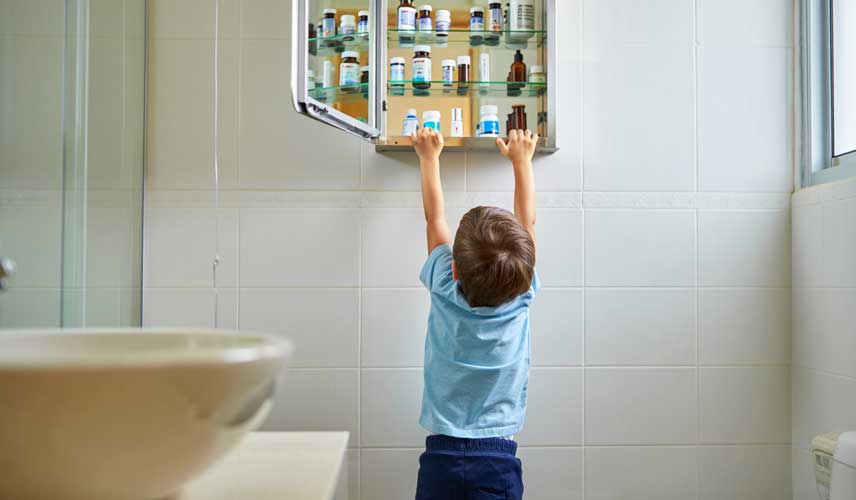
Medications, which serve functions such as treating health issues, supplementing substances that are insufficient in the body, or helping a person feel better, can be very harmful when used incorrectly and carelessly. It is vital for parents to consider this issue while taking precautions for child safety. Basic measures such as storing medications out of children's reach prevent children from accidentally ingesting medications and getting into distressing situations. Unfortunately, children who are brought to the emergency room after taking medications during a moment of inattention from their parents or caregivers are not an uncommon scenario for healthcare professionals.
Children are naturally curious and want to explore everything around them. Brightly colored pills or sweet-flavored syrups may look like candy to them. A dose of medication that is safe for an adult can mean an overdose for a child. Children's bodies are smaller, and their metabolisms are not fully developed yet. Therefore, medications can cause different and much stronger reactions in their bodies. Vitamins containing iron, adult pain relievers, and sleep medications are among the most dangerous medications for children.
Safe Medication Storage Rules: A Multi-Layered Protection System
One of the main precautions that can be taken in this regard is to ensure that all types of medications, including prescription and over-the-counter drugs, vitamins, drops, and ointments, are kept in places where children cannot see or access them.
-
High and Locked Cabinets Are the Best Solution: You should walk around your home and determine the most suitable place to store medications and vitamins. Your child may be able to climb and find a way to reach high places. In this case, the best place to store medications is in cabinets that are high off the ground and locked, located in the kitchen or bathroom.
-
Store in Original Packaging: Never remove medications from their original packaging and place them in another container. The original packaging contains vital information such as the name of the medication, dosage, and expiration date.
-
Refrigerated Medications: For medications that need to be stored in the cold, use a locked box or cabinet in the refrigerator. It is a significant danger for medications to be stored in the same place and visibly with food, as children frequently open the refrigerator.
-
Cover All Medications: Not only prescription medications but also vitamins, herbal supplements, and even everyday products like mouthwash can pose a danger to children. Store everything in the same security system.
Preventive Education: The Art of Communicating Correctly with Children
In addition to storing medications out of children's reach, there are other precautions you can take:
-
Do Not Introduce Medications as Candy: Do not introduce medications as "candy" or like things that taste like candy. This can turn into an invitation for the child to eat the pills. Instead, explain that the medication is just a "tool" used for healing and can only be taken with the permission of a doctor or parent.
-
Do Not Allow Them to Use Empty Bottles as Toys: Do not allow your child to use empty medication bottles, syringes, or boxes as toys. This can lead the child to believe that such objects are safe.
-
Speak Age-Appropriately: Explain to your child, in age-appropriate language, what medication means and in which situations it should only be used under the supervision of an adult. While saying "Don't touch!" may be sufficient for a one-year-old, you can provide a more detailed explanation to a six-year-old, such as "This medication is something that heals us only when given by doctor uncle and should not be taken without our permission."
Daily Life Habits and Additional Precautions
-
Put Away Immediately After Each Use: Always put medications and vitamins in a safe place after each use. Even if you plan to use them again shortly, never leave them out or in a place where your child can reach them. Unfortunately, most home accidents occur when a parent's attention is diverted for a brief moment.
-
Use Child Locks Properly: Ensure that you close medications with a twist-off cap properly. These caps work, but remember that some children can still open them. The cap is just a barrier; it is not a sufficient safety measure on its own.
-
Guests and Visitors: You may have guests who regularly use medications or have medications in their bags or pockets. Ask them not to leave their medications in easily accessible or visible places. Gently explain the importance of this issue to you.
Quick and Correct Response in Case of Medication Poisoning
Even if you take all the precautions to prevent your child from accessing medications at home, accidents can still happen. In such a situation, it is vital to act quickly without panicking.
-
Call for Emergency Help Immediately: Take them to the nearest emergency room without wasting any time or call 112 to request an ambulance.
-
Life-Saving Information: No matter how frantic and scared you are, take everything related to the medication with you: the package, box, leaflet, scattered pieces on the floor, and the prescription. This information is crucial for healthcare professionals to provide the correct treatment quickly.
-
What Absolutely Should Not Be Done: Do not try to induce vomiting in your child or feed them things like yogurt hoping for an antidote effect. Such interventions can not only be ineffective but can also worsen the child's condition and complicate the work of healthcare professionals.
In conclusion, protecting medications for child safety is a responsibility that should not be neglected. The best approach is to create a safe storage system at home and educate children about this issue to instill the right habits. A parent's vigilance and proactive attitude in this matter can make the difference between an accident and a disaster.
Child Health and Safety Other Content in the Category

Child Health and Safety
Newborn Care
Child Health and Safety
My Baby Refuses to Eat Solid Foods

Child Health and Safety
Ways to Protect Children from Coronavirus

Child Health and Safety
What to Do to Instill Brushing Habits in Children
Child Health and Safety
Child Safety: Medications Should Be Stored Out of Children's Reach

Child Health and Safety
10 Effective Tips for Child Health

Child Health and Safety
8 Factors That Cause Babies to Cry

Child Health and Safety
Down Syndrome Diagnosis Methods

Child Health and Safety
When Do Babies Crawl

Child Health and Safety
Information About Teething Period in Infants
Child Health and Safety
How Much Water Should Babies Drink?

Child Health and Safety
10 Things to Do for a Healthy Pregnancy

Child Health and Safety
10 Ways to Prevent Sugar Consumption in Children

Child Health and Safety
Frequently Asked Questions About Cancer and Chemotherapy
Child Health and Safety