

Ways to Protect Children from Coronavirus
The coronavirus was first reported in Wuhan City, Hubei Province, China on December 31, 2019, and has since been seen in about 50 other countries. As of March 11, 2020, it was first detected in our country as well. So far, it has been noted that the virus generally affects older individuals and has not caused the death of anyone under the age of 9. However, this does not mean that these children are exempt from infection. The Centers for Disease Control and Prevention have reported that while the majority of cases occur in adults, children can also become infected. Therefore, parents are understandably concerned about developments regarding their children and want to be informed about ways to protect children from coronavirus.
Data to date shows that those most at risk and vulnerable to the coronavirus are older individuals and those with chronic illnesses. The disease tends to be milder in healthy young people, but can be more severe and even fatal in individuals over 60 and those with health issues such as diabetes, cancer, and lung disease.
What is Coronavirus?
The coronavirus, also known as the Wuhan virus, is a large group of viruses that are common among animals but can occasionally be transmitted to humans.
This broad family of viruses has many types that have been identified in animals but have not been transmitted to humans. The subtypes that can infect humans typically cause the common cold, but in some cases, they can lead to serious health issues such as severe acute respiratory syndrome.
As of January 7, 2020, a new type of coronavirus that had not been previously seen in humans and the disease it causes was identified as 2019-nCoV. This disease was later accepted to be named COVID-19.
What are the Symptoms of Coronavirus?
The main symptoms of the coronavirus / COVID-19 are as follows:
- Runny nose
- Sore throat
- Cough
- Headache (Possible)
- Fever lasting a few days
When it comes to the coronavirus, it is recommended to pay attention to any symptoms of respiratory illness. The incubation period of the disease is thought to range from 2 to 14 days. Symptoms typically appear 2 days after a person becomes infected, but this period can sometimes extend to 14 days.
Is Coronavirus a Deadly Virus?
The death rate from the coronavirus has been reported to be 2%. 98% of people infected with this virus can be treated. Experts expect the death rate to be even lower. We hope that is indeed the case.
How is the New Coronavirus Transmitted?
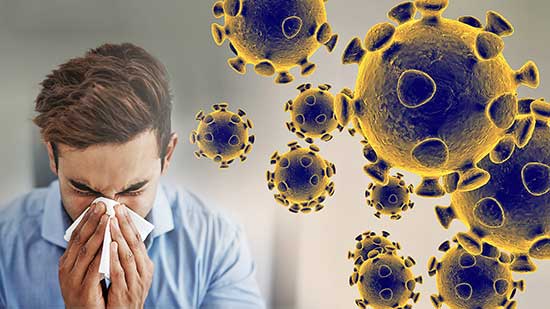
The new coronavirus, referred to as COVID-19, is generally transmitted when the bodily secretions of an infected person come into contact with a healthy person. The droplets released into the air when sick individuals cough or sneeze can also infect healthy individuals. Additionally, the virus can be transmitted through contact with contaminated surfaces and then touching the mouth or nose, as well as through handshakes.
What are the Ways to Protect Children from Coronavirus?
So far, the coronavirus has not been seen in individuals under the age of 9. The main risk group consists of older individuals and those with chronic illnesses. However, children and young people can also become infected with the coronavirus. Therefore, parents are concerned for their children as well. To protect against the coronavirus, the following points should be considered:
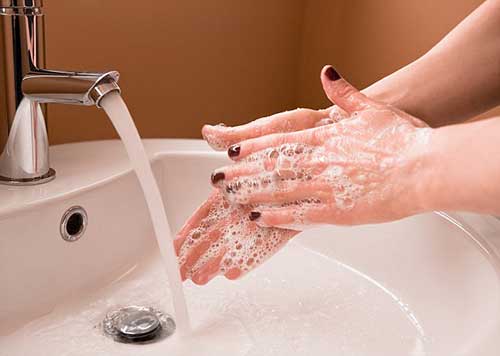
- Be extremely diligent about hand hygiene. Wash your hands frequently throughout the day with soap and water for at least 20 seconds. Clean your hands before and after cooking, before and after using the restroom, when using public transportation, and whenever necessary. If washing is not possible, use an alcohol-based sanitizer.
- Avoid close contact with individuals showing symptoms of flu, such as coughing, cold, or fever. Hugging or kissing infected individuals, or being exposed to droplets from their coughs or sneezes can lead to the virus reaching the mouth, nose, or eye mucosa of healthy individuals. Maintain at least a 3-4 step distance from such individuals.
- Avoid crowded and enclosed spaces as much as possible.
- After being in crowded places, do not touch your mouth, eyes, or nose before thoroughly cleaning your hands.
- Frequently clean and disinfect commonly used objects and surfaces, such as doorknobs and keyboards.
- Cover your mouth with a disposable tissue when coughing or sneezing. Then throw the tissue away and wash your hands. If you do not have a tissue, cover your mouth with the inside of your elbow.
- Frequently ventilate closed areas in your home and workplace.
- Strengthen your immune system by eating a healthy and balanced diet and ensuring you get enough sleep.
Educate Your Child About Hand Hygiene
When it comes to ways to protect children from coronavirus, the first thing that comes to mind is the proper cleaning of hands. When you visit a hospital, you will see many posters about hand hygiene. This is an important and effective preventive measure not only for coronavirus but for all diseases.
Teach your children, who are old enough to understand, how to clean their hands properly. Demonstrating it practically will be more effective. Also, be sure to set a good example in this regard.
Carefully Monitor Your Child's Nutrition and Overall Health
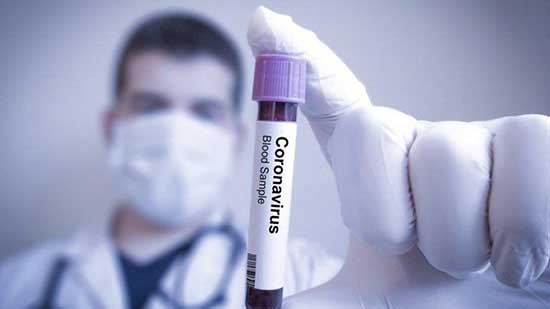
As parents, you always pay attention to your child's proper nutrition and health. However, during such critical times, it is necessary to be more vigilant than ever. You must ensure that your child is eating a balanced diet and getting enough sleep. This way, their body will be more resistant to diseases. If you notice cold symptoms in your child, do not panic, but consult your doctor without delay. Follow the treatment recommended by your doctor meticulously. You may also consider keeping your sick child home from daycare or school after consulting with your doctor.
Teach your child what they should do during and after sneezing and coughing. Explain to them when they must wash their hands.
How is Coronavirus Treated?
Currently, no effective treatment or vaccine has been developed for coronavirus. Therefore, treatment for the disease is based on the progression of symptoms. Antipyretics, pain relievers, and cough suppressants are recommended to alleviate symptoms, and respiratory and fluid support may be provided if necessary.
Scientists continue to work on developing a vaccine against the coronavirus. The vaccine is planned to be tested on humans by the end of 2020.
Your Caregiver Should Also Be Careful to Protect Your Child from Coronavirus
Families looking for a child caregiver should ensure that the caregiver they hire is knowledgeable and careful about hygiene and balanced nutrition. These points are always important, but they are even more critical during this time when the coronavirus continues to be seen in different parts of the world. Be sure to inquire about these issues when selecting a nanny or child caregiver. Ensure that the caregiver candidates you interview or your current caregiver is aware of and knowledgeable about hygiene.
Once your caregiver enters your home, they must wash their hands and do so whenever necessary throughout the day. You can also ask them to educate your child about this. They should take the necessary precautions to prevent your child from getting germs when they go out or play outside. They should know how to protect themselves and the child they are caring for from infection.
Child Health and Safety Other Content in the Category

Child Health and Safety
Newborn Care
Child Health and Safety
My Baby Refuses to Eat Solid Foods
Child Health and Safety
Ways to Protect Children from Coronavirus

Child Health and Safety
What to Do to Instill Brushing Habits in Children
Child Health and Safety
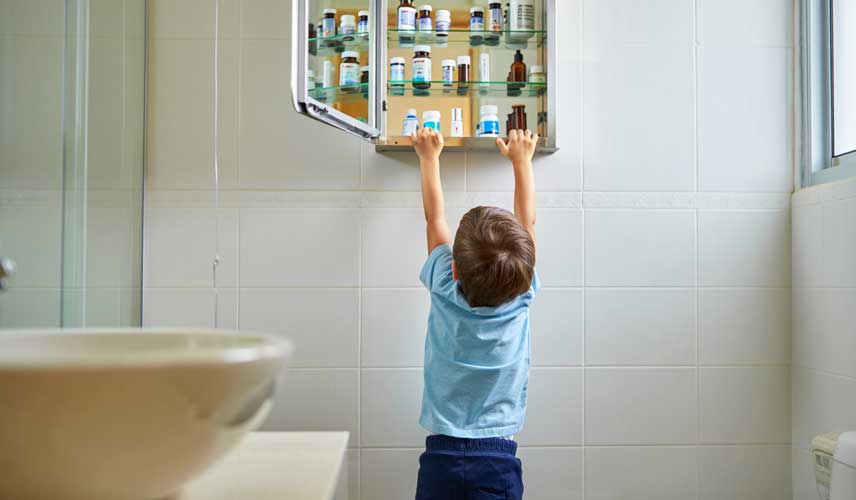
Child Safety: Medications Should Be Stored Out of Children's Reach

Child Health and Safety
10 Effective Tips for Child Health

Child Health and Safety
8 Factors That Cause Babies to Cry

Child Health and Safety
Down Syndrome Diagnosis Methods
Child Health and Safety
When Do Babies Crawl
Child Health and Safety
Information About Teething Period in Infants
Child Health and Safety
How Much Water Should Babies Drink?

Child Health and Safety
10 Things to Do for a Healthy Pregnancy
Child Health and Safety
10 Ways to Prevent Sugar Consumption in Children

Child Health and Safety
Frequently Asked Questions About Cancer and Chemotherapy
Child Health and Safety