
Information About Teething Period in Infants
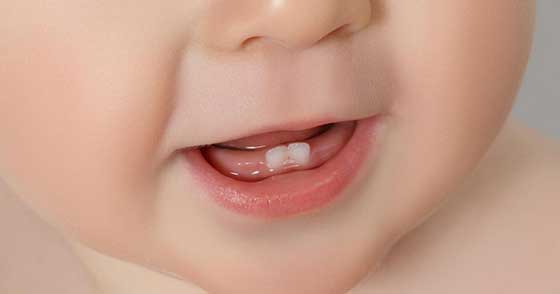
The teething period in infants is generally a time when some issues arise that disturb the baby and worry the parents. The primary teeth or, in other words, milk teeth begin to emerge during this period. Milk teeth usually complete their development by the time the baby is 2.5 to 3 years old and serve until the age of 6 to 7. There are a total of 20 teeth, with 10 in the upper jaw and 10 in the lower jaw. Their color is bluish-white, and they are generally arranged intermittently.
Teething Period in Infants
When Do Baby Teeth Start to Erupt?
The first teeth of the baby usually come in around the 6th month. However, sometimes this can happen earlier or later. Baby girls generally start teething a little earlier than boys.
Primary teeth can erupt at any time during the first year of the baby's life. The eruption of these teeth before or after the sixth month does not indicate a developmental disorder in the baby.
If your baby is 25 to 26 months old and has not yet erupted any teeth, it is recommended to consult a pediatrician or a dentist.
From the third month onwards, behaviors such as putting hands in the mouth and trying to bring objects to the mouth can be observed, along with a noticeable increase in saliva production. Most parents worry that this indicates an earlier than normal teething. However, these behaviors are often unrelated to the teething period in infants. They are related to the developmental phase and the beginning of the baby's exploration of the world through the mouth.
In children who reach the age of 4, gaps appear between the milk teeth in parallel with the growth of the jaw and facial bones. This situation, which is part of the natural growth process, creates the necessary space for the emergence of larger permanent teeth. Children between the ages of 6 and 12 have both milk teeth and permanent teeth in their mouths.
Symptoms of Teething in Infants
The symptoms observed during the eruption of milk teeth are not the same for all babies. Some babies go through this process without significant discomfort, while others may become more sensitive for a while and experience pain. In fact, the discomforts thought to be related to teething in infants are not based on scientific evidence. Nevertheless, we can say that there are some commonly observed behavioral changes and discomforts during this period.
- The baby wanting to scratch the inside of the mouth with everything they can get their hands on
- Increased saliva production
- Irritability
- Disruption of sleep patterns
- Rashes around the mouth
- Pain or itching in the ears
- Slow weight gain or weight loss
- Pain during the eruption of the first teeth and molars, especially in babies under 1 year old
Fever may also be observed in teething babies. However, it is not expected for the body temperature to rise above 38 degrees. Therefore, if your baby's fever is higher, it is recommended to consult your doctor. The rise in fever during the teething period may also be related to another issue.
Things to Consider During the Teething Period in Infants
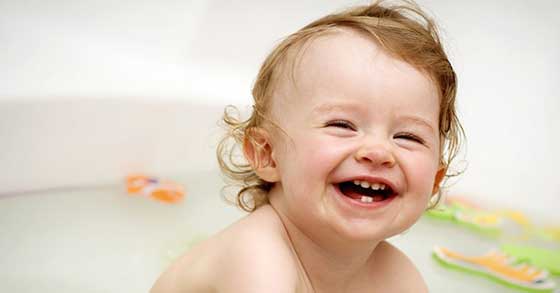
Teething is a natural part of baby development. Babies generally go through this period without significant discomfort and distress. However, there are some things that can be done to alleviate conditions such as fever, swelling in the area where the tooth will erupt, itching, and discomfort.
One of the things that can be done to comfort a teething baby is massage. After thoroughly cleaning your hands, you can gently massage your child's gums with soft, gentle movements. This way, the tooth erupts more easily, and the discomfort in the gums decreases.
To reduce the itching and discomfort that the baby will feel while their milk teeth are coming in, you can give them objects to bite on or food items like peeled, washed cold carrots. However, it is important to avoid using teething toys that contain harmful chemicals and dyes, or that pose a choking hazard. Teething rings filled with liquid can also cause problems, as the baby may cause them to burst while biting. A dampened or frozen cloth can also be a good alternative.
The increase in the baby's saliva can lead to redness and irritation around the mouth. You can gently wipe these with a very soft cotton cloth that is slightly moistened, being careful not to rub.
It is normal for a teething baby to have a slight increase in fever, but the likelihood of it rising above 38 degrees is very low. During this process, it is necessary to regularly check the baby's body temperature and consult a doctor if it rises too high.
During the months when the first teeth begin to appear, between six and eight months, it is recommended to clean the baby's teeth with a clean, moistened cloth or gauze after breakfast and before bedtime. After the back teeth have erupted, you can start using water and a toothbrush. It is not appropriate to use toothpaste for children under 3 years old.
As parents, you naturally want your baby to feel comfortable and to reduce their discomfort during this period. However, you should not use substances that numb the gums, teething tablets, and gels containing benzocaine unless prescribed by a physician.
In What Order Do Baby Teeth Erupt?
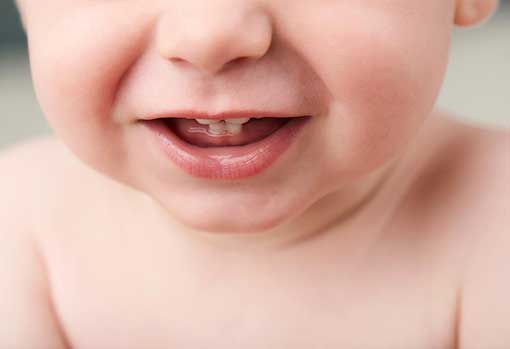
The following list shows the general order in which babies typically erupt their teeth. This order may vary for each baby.
Type of Tooth Eruption Period Shedding Time
Upper front teeth 6 - 8 months 6 – 7 years
Upper lateral teeth 9 – 11 months 7 – 8 years
Upper canine teeth 16 – 20 months 10 – 12 years
Upper first molars 12 – 16 months 9 – 11 years
Upper second molars 20 – 30 months 10 – 12 years
Lower front teeth 5 – 7 months 6 – 7 years
Lower lateral teeth 10 – 12 months 7 – 8 years
Lower canine teeth 16 – 20 months 9 – 12 years
Lower first molars 12 – 16 months 9 – 11 years
Lower second molars 20 – 30 months 10 – 12 years
Child Health and Safety Other Content in the Category

Child Health and Safety
Newborn Care
Child Health and Safety
My Baby Refuses to Eat Solid Foods

Child Health and Safety
Ways to Protect Children from Coronavirus
Child Health and Safety
What to Do to Instill Brushing Habits in Children
Child Health and Safety
Child Safety: Medications Should Be Stored Out of Children's Reach

Child Health and Safety
10 Effective Tips for Child Health

Child Health and Safety
8 Factors That Cause Babies to Cry

Child Health and Safety
Down Syndrome Diagnosis Methods
Child Health and Safety
When Do Babies Crawl
Child Health and Safety
Information About Teething Period in Infants
Child Health and Safety
How Much Water Should Babies Drink?

Child Health and Safety
10 Things to Do for a Healthy Pregnancy

Child Health and Safety
10 Ways to Prevent Sugar Consumption in Children

Child Health and Safety
Frequently Asked Questions About Cancer and Chemotherapy
Child Health and Safety