
Brushing Habits in Children
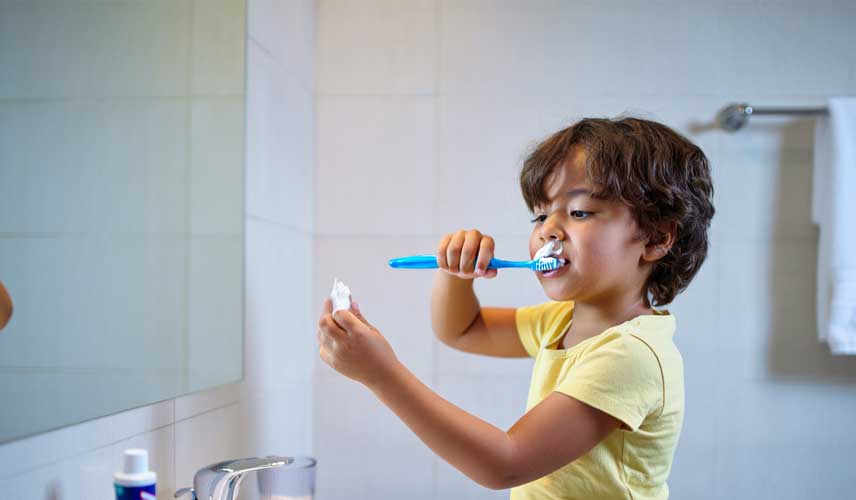
Many children in preschool and primary school age find tooth brushing boring and try to avoid it as much as possible. However, this is not the child's fault, nor is it a behavior that should be punished. Children, due to their age, cannot independently develop the habit of brushing their teeth. Moreover, at a young age, they may struggle to understand abstract concepts directly related to tooth brushing, such as hygiene, health, aesthetics, and appearance. Therefore, it is the parents' responsibility to make tooth brushing enjoyable and instill this habit in their children.
For tooth brushing to become a habit that your child practices even when you are not around or supervising them, it is important for them to see it as a fun activity. However, if you present tooth brushing entirely as a game, especially when young children are not in a playful mood or are upset, they may not want to brush their teeth. After your child learns to brush their teeth independently, it is essential for them to incorporate it into their daily routine. Therefore, practicing tooth brushing in front of a mirror together from as early an age as possible will be a beneficial practice for later stages. Using toothbrushes that children love, find appealing, and consider fun from an early age will significantly facilitate tooth brushing education.
Understanding the Child's Psychology: Why Are They Resisting?
A child's resistance to tooth brushing is more of a developmental response than a malicious behavior. For children, brushing can seem like a long, boring action with abstract benefits. What parents need to do here is to understand this situation and find a solution that fits the child's world.
-
Encourage Ownership of Brushing: Teaching your child to brush their teeth with a cute toothbrush of their choice can be simpler than you think and will help them remember to brush when they are alone. However, it is important to be careful when choosing children's toothbrushes. Many of the lower-priced options are produced in smaller sizes than regular brushes and may come in colors that appeal to children, but this does not mean they are healthy or suitable for children's use. Therefore, when selecting a toothbrush for your child, you should pay attention to the brush's structure, brand, and hygienic features in addition to its appearance.
-
Learning While Having Fun in Front of the Mirror: Mirrors found in bathrooms are one of the most important tools for instilling the tooth brushing habit in children. Children, who are just beginning to recognize themselves and their bodies, often enjoy seeing themselves in the mirror. Moreover, a child brushing their teeth in front of a mirror can check for themselves whether they are cleaning all parts of their mouth adequately. Brushing your teeth alongside your child during preschool age will motivate them to adopt this important habit.
Age-Appropriate Tooth Brushing Education: Step-by-Step Guide
The tooth brushing habit is not a skill that is acquired all at once. Different approaches should be adopted based on the child's age and motor development.
-
0-2 Years: When the first teeth begin to emerge, the baby's teeth and gums should be gently wiped with a clean, damp gauze or a silicone brush that fits on a finger. The goal during this period is to establish brushing as a routine; it is more important to instill the habit than to focus on cleanliness.
-
2-6 Years: During this period, the child may start to hold the toothbrush and imitate basic movements. However, they cannot yet brush effectively. The parent should first brush their own teeth and then allow the child to brush. Since there is a risk of swallowing fluoride toothpaste at this age, only a pea-sized amount of toothpaste should be used, and the child should be taught to spit it out.
-
6 Years and Older: The child's motor skills have developed, and they can brush independently. However, since they may have difficulty reaching the back teeth, parental supervision should continue. This age is also when the importance of tooth brushing can be explained.
Ways to Make the Tooth Brushing Routine Permanent
-
Games and Songs: Turn tooth brushing into a game. Play a song called "Tooth Brushing Song" that lasts for 2 minutes and brush until the song ends. Showing scenes from cartoons where characters brush their teeth can also be motivating.
-
Be Consistent: Tooth brushing should be a part of your daily routine, just like bathing or sleeping. Make sure to brush twice a day, in the morning and evening. Try not to break this routine even during vacations or visits. Consistency is vital for establishing the habit.
-
Select the Right Materials: Choose a toothbrush with soft bristles, a small head, and an ergonomic handle that the child can hold comfortably. For toothpaste, prefer an age-appropriate fluoride product. Don't forget to change the toothbrush every 3 months.
The Role of Parents and Dentist Support
Instilling the habit of tooth brushing is not just a process to be carried out at home. Dental visits are also an important part of this process. The dentist reinforces what the parent says by explaining to the child why their teeth are important. Regular dental visits from the moment the first tooth erupts ensure both monitoring of the child's oral health and help them develop a positive perception of the dentist.
In conclusion, instilling the tooth brushing habit in children is a process that requires patience, creativity, and consistency. It is natural for your child to show some resistance during this process, but this indicates that you should not give up. Remember, this is one of the most valuable steps you can take to provide them with a healthy smile and overall health for a lifetime.
Child Health and Safety Other Content in the Category

Child Health and Safety
Newborn Care
Child Health and Safety
My Baby Refuses to Eat Solid Foods

Child Health and Safety
Ways to Protect Children from Coronavirus
Child Health and Safety
What to Do to Instill Brushing Habits in Children

Child Health and Safety
Child Safety: Medications Should Be Stored Out of Children's Reach

Child Health and Safety
10 Effective Tips for Child Health

Child Health and Safety
8 Factors That Cause Babies to Cry

Child Health and Safety
Down Syndrome Diagnosis Methods

Child Health and Safety
When Do Babies Crawl
Child Health and Safety
Information About Teething Period in Infants
Child Health and Safety
How Much Water Should Babies Drink?

Child Health and Safety
10 Things to Do for a Healthy Pregnancy

Child Health and Safety
10 Ways to Prevent Sugar Consumption in Children

Child Health and Safety
Frequently Asked Questions About Cancer and Chemotherapy
Child Health and Safety