
Healthy Snacks for Children
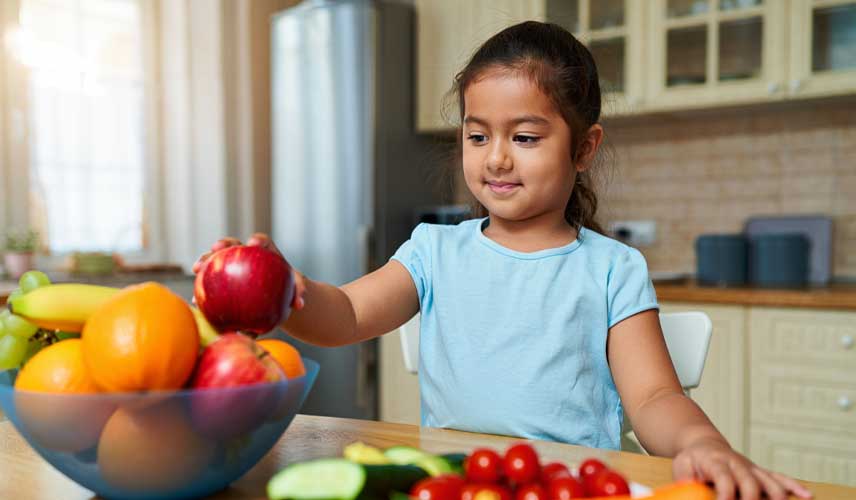
Children love to eat junk food as snacks, and the food items they want to consume are often just tasty without any other qualities. However, by offering healthy snacks, you can ensure that they consume nutritious foods during these times. Our suggestion is to first model this behavior for your child; children tend to do what they see and want rather than what they are told. Remember, this is not a race of prohibitions, but a struggle to make healthy options appealing and to instill good habits that last a lifetime.
Healthy Eating: Not Just Filling the Stomach, But Nourishing the Body
You are likely aware of how frequently the issue of obesity in children is mentioned today. To protect your child from this problem and ensure they have a healthy and strong body, you need to put in some effort. Sugary and packaged snacks contain only empty calories and provide no nutritional value to the body. These foods can cause sudden energy spikes in children followed by crashes, leading to mood swings. In contrast, healthy snacks provide essential building blocks such as vitamins, minerals, proteins, and fibers necessary for children's brain development. Children who are nourished with healthy snacks have more balanced energy levels, can focus better, and are less irritable.
Creativity and Presentation: Making Healthy Snacks Appealing
Children are more interested in foods that appeal to their eyes. Therefore, being creative and fun in presenting healthy snacks is one of the most effective ways to encourage them to eat.
-
Fruits and Nuts: Always keep dried fruits like raisins, figs, and apricots; walnuts, hazelnuts, and pistachios at home, and ensure your child consumes these along with small pieces of fresh fruit every day. Apple slices spread with peanut butter are an ideal snack for children of all ages. You can create a kind of "kebab" by threading small pieces of cheese and fruits onto skewers. This is both a fun and nutritious option.
-
Yogurt and Dairy Products: By serving fresh fruit slices dipped in yogurt with a stylish presentation, you can help your child satisfy their snacking needs healthily. You can prepare an appetizing snack by layering yogurt and fruit slices in a tall glass and topping it with a sprinkle of dried fruit muesli. "Yogurt ice creams" made with frozen fruit purees are also great alternatives in the summer.
-
Homemade Snacks: Instead of keeping packaged cakes at home, you can make whole grain, low-sugar cakes and serve them with fresh fruit juice or yogurt. You can mix peanut butter with cereal and shape it into balls for your child. You can prepare cinnamon apple sauce or homemade pudding and dip whole grain crackers into them.
Providing healthy snacks to children may be more challenging than having ready-made wafers, lollipops, cakes, etc., on the shelves, but taking the easy way out will harm your child.
Practical Tips: Making Healthy Snacking Sustainable
The easiest way to influence your child's snack choices is to check the food stock in your home. When there are no unhealthy options at home, they will naturally turn to healthy alternatives.
-
Home Stock Management: Avoid keeping packaged snacks at home as much as possible. Remember, if it's not at home, it won't be eaten.
-
Preparation in Advance: Take time on the weekend to prepare healthy snacks for the upcoming week. By doing "Sunday Prep," wash and chop fruits, portion vegetables, and prepare healthy snacks (like muffins, energy balls) in advance. This ensures that healthy options are readily available during the busy weekdays.
-
Offer Choices: Instead of asking your child, "What do you want?" offer them two healthy options like, "Would you like an apple or a bowl of yogurt?" This gives them a sense of control, enhances their decision-making skills, and makes it easier for them to make healthy choices.
Conscious Consumption and Behavioral Approach: Teaching Instead of Prohibiting
Ensuring that children develop healthy eating habits is possible not by imposing strict bans but by raising their awareness.
-
Reading Labels: Teach your child about hidden sugars like corn syrup and fructose syrup found in packaged foods. You can turn this into a game to help them become a conscious consumer.
-
Avoid Using as Rewards: Using sugary foods as a reward after an achievement creates a perception in your child's mind that these foods are "valuable." This can lead them to establish an unhealthy food-reward relationship. Instead, offer different rewards like going to a park, getting a new book, or playing a family game for their achievements.
-
No Bans, Balanced Approach: Instead of completely banning a food that your child loves, adopt a balanced approach like the "80/20 rule". This rule suggests that 80% of their diet should consist of healthy choices, while 20% can be enjoyable but less healthy foods. This teaches them the concepts of balance and moderation.
The Role and Responsibility of Parents
Healthy eating habits are the responsibility of not just the child but the entire family.
-
Cook Together: Involve your child in the cooking process. Go grocery shopping together, wash vegetables, and prepare salads. Children are more willing to eat foods they have prepared themselves.
-
Support Healthy Living: In addition to nutrition, physical activity is also important. Go for walks together, play games, and create screen-free times.
In conclusion, offering healthy snacks to children is more of a lifestyle change than a struggle. Being a role model as a parent, organizing the home environment, providing healthy alternatives, and adopting a conscious approach rather than prohibitions are the most important steps you can take in this process. Remember, these efforts are the most valuable investment in your child's future health.
Child Health and Safety Other Content in the Category

Child Health and Safety
Newborn Care
Child Health and Safety
My Baby Refuses to Eat Solid Foods
Child Health and Safety
Ways to Protect Children from Coronavirus

Child Health and Safety
What to Do to Instill Brushing Habits in Children
Child Health and Safety
Child Safety: Medications Should Be Stored Out of Children's Reach

Child Health and Safety
10 Effective Tips for Child Health

Child Health and Safety
8 Factors That Cause Babies to Cry

Child Health and Safety
Down Syndrome Diagnosis Methods

Child Health and Safety
When Do Babies Crawl
Child Health and Safety
Information About Teething Period in Infants
Child Health and Safety
How Much Water Should Babies Drink?

Child Health and Safety
10 Things to Do for a Healthy Pregnancy

Child Health and Safety
10 Ways to Prevent Sugar Consumption in Children

Child Health and Safety
Frequently Asked Questions About Cancer and Chemotherapy
Child Health and Safety