
Pediatric Nursing, Neonatal Nursing
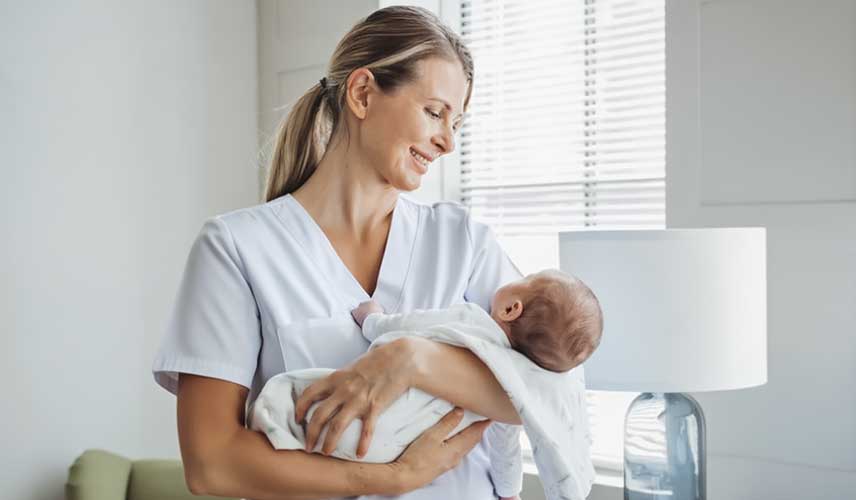
Pediatric/Neonatal nursing or commonly known as mother-baby nursing, is a modern approach applied in postpartum care. In this model, a single nurse is assigned to provide total care for both the mother and the baby. Unlike traditional approaches, this model is based on recognizing the baby as an individual in its own right and empowering the mother as the primary caregiver of the baby. This type of nursing care requires the integration of the roles of postpartum nurses and midwives to provide comprehensive care for the mother-baby dyad. This can be seen as an expanded, more holistic role for experienced nurses.
The mother-baby nursing model adopts a humanitarian philosophy that prioritizes not only the physical recovery of the patient but also the emotional and psychological health of the family. Low cost, high patient satisfaction, and improved mother-baby relationships are reported as the most significant positive outcomes of this system.
Philosophy and Purpose of Mother-Baby Nursing
The fundamental philosophy of this nursing model is to view the mother and baby as a whole. The aim is to provide the necessary information, skills, and emotional support for the family to adapt to its new member from a single source. This model is designed to ensure that new parents feel safe and competent.
-
Understanding Total Care: The nurse monitors the mother's physiological recovery postpartum (bleeding control, pain management, wound care) while simultaneously addressing all of the baby's needs (feeding, diaper changing, sleep patterns) alongside the mother. This integrated approach prevents confusion arising from different nurses caring for the mother and baby.
-
Empowering the Family: The primary goal of the model is to empower the mother-baby dyad. The nurse takes every opportunity to encourage and guide the mother in caring for her baby. This increases the mother's self-confidence and helps her adapt to the role of motherhood more quickly.
Expanded Role and Responsibilities of the Neonatal Nurse
Pediatric/Neonatal nurses provide baby care at the mother's bedside, teach maternal skills, respond to the mother's physiological and psychological needs, and involve other family members in the care process. This role goes far beyond standard nursing duties and combines that of a guide, educator, and supporter.
-
Training in Maternal Skills: The nurse teaches the mother maternal skills through practical applications at her side. Topics such as breastfeeding techniques, baby bathing, safe sleep positions, baby massage, and understanding the baby's crying signals form the basis of this training.
-
Responding to the Mother's Physiological and Psychological Needs: The postpartum period is a time when the mother is vulnerable both physically and emotionally. The nurse not only monitors the mother's physical recovery but also observes her emotional state. By early detection of postpartum depression or anxiety symptoms, the nurse helps direct them to appropriate support resources.
-
Involvement of Family Members: Nurses also involve the father, siblings, and other family members in the baby's care process. By encouraging the father's participation in baby bathing or diaper changing, they facilitate the father's bonding with the baby. This enhances solidarity within the family and eases the transition to the new family structure.
In some cases, a specialized neonatal midwife or nurse may be necessary to observe changes, implement special procedures, and monitor babies who cannot stay with their mothers. However, aside from these situations, this model generally allows a single nurse to provide care for the entire family.
Advantages and Challenges of the System
The implementation of the mother-baby care model brings some challenges for hospitals and healthcare personnel, but the benefits it provides are worth overcoming these challenges.
-
Positive Outcomes:
-
Higher Patient Satisfaction: Mothers feel safer and more comfortable due to the presence of a single nurse assigned specifically to them and their babies. This personalized approach significantly increases patient satisfaction.
-
Improved Mother-Baby Relationship: The continuous presence of the baby with the mother and the mother's active participation in care facilitate a quicker and stronger emotional bond between mother and baby.
-
Lower Costs and Efficiency: Instead of separate nursing teams, having a single nurse follow the entire family allows for more efficient use of hospital resources.
-
Challenges of the System:
-
Training and Transition: When staff begins to focus on providing holistic care to the entire family instead of specialized tasks, it can be challenging to learn new skills and adapt to this new role. The fundamental change required is for nurses to shift from the mindset of "I only care for the mother" or "I only care for the baby" to a holistic approach.
Necessary Conditions for Successful Implementation
For the successful implementation of mother-baby care, nurses must have a good understanding of their roles and receive continuous education in this regard. Nurses in this model serve as a resource and guide that provides positive support when needed. Pediatricians also monitor the babies at the mother's bedside. Mothers are encouraged to easily ask questions to doctors, nurses, or other mothers. This collaboration creates the best environment for the family to adapt quickly and healthily to the new situation.
Child Health and Safety Other Content in the Category
Child Health and Safety
Newborn Care
Child Health and Safety
My Baby Refuses to Eat Solid Foods
Child Health and Safety
Ways to Protect Children from Coronavirus

Child Health and Safety
What to Do to Instill Brushing Habits in Children
Child Health and Safety
Child Safety: Medications Should Be Stored Out of Children's Reach

Child Health and Safety
10 Effective Tips for Child Health

Child Health and Safety
8 Factors That Cause Babies to Cry

Child Health and Safety
Down Syndrome Diagnosis Methods

Child Health and Safety
When Do Babies Crawl
Child Health and Safety
Information About Teething Period in Infants
Child Health and Safety
How Much Water Should Babies Drink?
Child Health and Safety
10 Things to Do for a Healthy Pregnancy

Child Health and Safety
10 Ways to Prevent Sugar Consumption in Children

Child Health and Safety
Frequently Asked Questions About Cancer and Chemotherapy
Child Health and Safety