
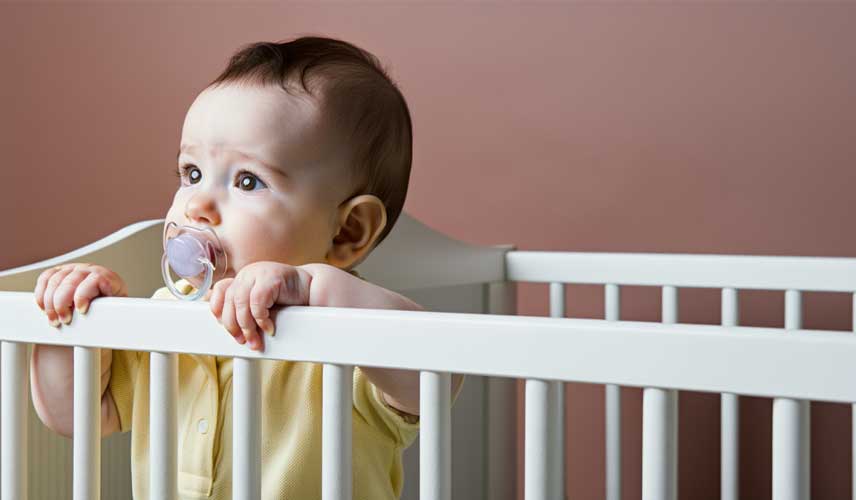
Safety Measures for Babies
The periods when our baby starts to stand, crawl, or walk are among the most anxious times for parents. Parents can't help but observe their baby as they become more mobile. Rightfully, every parent has the same questions in mind: "What if they fall? What if they bump into something?" The small precautions you take to minimize home accidents can provide some relief in this regard. Safety measures for babies not only prevent potential accidents but also ensure that parents feel more at peace and relaxed. Precautions should be taken inside the home before babies start crawling, because once they start moving, they can get into dangerous situations in the blink of an eye. In this article, we will detail the potential dangers in every corner of your home and the practical measures you can take to prevent these dangers.
The Fundamental Philosophy of Baby Safety: Why Should We Be Proactive?
A home can be a safe haven for adults, but for a baby, it is a discovery area filled with dangers. When a baby's natural curiosity combines with their developing motor skills, every corner of the house and every item can pose a risk. A baby does not know what danger is and explores everything by putting it in their mouth, climbing, or pulling. Therefore, the structure of the house and the arrangement of items should be evaluated not from an adult's perspective but from a baby's perspective. The precautions taken not only secure a moment of accident but also safeguard the child's entire development.
-
Safety According to Developmental Stages: Baby safety is not a one-time process; it is an ongoing process that needs to be continuously updated according to your baby's developmental stages.
-
Newborn Period: During this period, safety mainly involves the safety of the crib and risks of suffocation (pillows, blankets, etc.).
-
Crawling Period: For a baby starting to crawl, the risks of poisoning, falling, and swallowing small parts increase.
-
Walking Period: During this period, accidents such as falling down stairs, electric shocks, and burns become more common.
Danger Points: Reviewing Every Room in the House
-
Kitchen: The kitchen is one of the busiest and potentially most dangerous areas of the house.
-
Burn and Scalding Hazards: Always turn the handles of pots and pans on the stove towards the wall. Prefer back burners that children cannot reach and keep hot liquids away from the edge of the kitchen counter.
-
Poisoning: Store cleaning supplies, medications, detergents, and insecticides in high, locked cabinets out of children's reach.
-
Cuts and Falls: Keep sharp kitchen utensils like knives and scissors in locked drawers. Place non-slip mats on the kitchen floor.
-
Bathroom and Toilet: The bathroom poses risks with its slippery floors and water-filled areas.
-
Suffocation: Never leave a child alone while bathing. Keep the toilet lid closed.
-
Slipping and Falling: Place non-slip mats inside and outside the bathtub.
-
Electric Shock: After using hair dryers and other electrical appliances, unplug them and store them out of children's reach.
-
Living Room and Bedrooms: These areas are where babies spend most of their time.
-
Tip-over Hazards: Secure heavy furniture like cabinets, bookshelves, and televisions to the wall.
-
Sharp Corners: Install protectors on the sharp corners of furniture like coffee tables, desks, and TV units.
-
Suffocation Hazard: Tie curtain and blind cords out of children's reach. Do not keep pillows, soft toys, or thick blankets in the crib.
-
Stairs and Balconies:
-
Stairs: Install a sturdy safety gate at the top and bottom of the stairs.
-
Balconies: It is beneficial to install netting on balcony railings.
Safety Products and Practical Tips
-
Safety Products Checklist:
-
Safety Gates: For the tops of stairs and balcony entrances.
-
Outlet Covers: To prevent the risk of electric shock.
-
Drawer and Cabinet Locks: To prevent poisoning and entrapment accidents.
-
Edge and Corner Protectors: To prevent injuries caused by sharp objects.
-
Non-slip Mats: For bathroom and kitchen floors.
-
Furniture Straps: To prevent heavy items from tipping over.
-
Eliminate Hidden Hazards: Remove small parts, button batteries, magnets, and any small objects that could cause choking from the floor and areas accessible to children.
-
Professional Consultation: It is beneficial to seek help from a professional child safety expert based on your home's interior design and furniture arrangement. An expert can identify potential hazards that you may overlook and create a personalized safety plan for you.
Emergency Preparedness: Being Ready for Any Moment
-
Emergency Numbers: Post emergency numbers like 112 and your pediatrician's phone number in an easily accessible place.
-
First Aid Training: Taking basic first aid and CPR (cardiopulmonary resuscitation) training for your baby or child can be life-saving in unexpected situations.
-
Emergency Kit: For emergencies, prepare a small bag containing basic first aid supplies, your child's medications, and important documents.
In conclusion, taking safety measures for babies is not only a legal obligation but also one of the most important parts of parenting responsibility. Remember, a safe home is a space where your child can freely explore and learn. By taking these precautions, you ensure your child's safety while creating a more peaceful living environment for yourself.
Child Health and Safety Other Content in the Category
Child Health and Safety
Newborn Care
Child Health and Safety
My Baby Refuses to Eat Solid Foods
Child Health and Safety
Ways to Protect Children from Coronavirus
Child Health and Safety
What to Do to Instill Brushing Habits in Children
Child Health and Safety
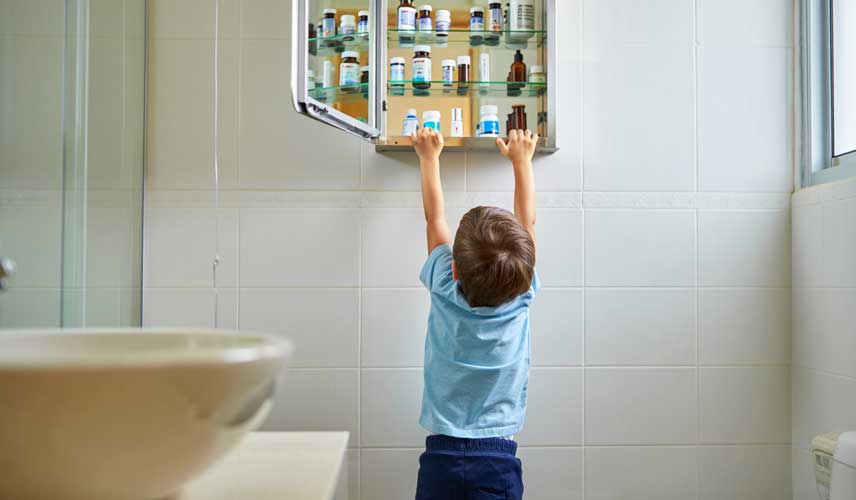
Child Safety: Medications Should Be Stored Out of Children's Reach

Child Health and Safety
10 Effective Tips for Child Health
Child Health and Safety
8 Factors That Cause Babies to Cry

Child Health and Safety
Down Syndrome Diagnosis Methods
Child Health and Safety
When Do Babies Crawl
Child Health and Safety
Information About Teething Period in Infants
Child Health and Safety
How Much Water Should Babies Drink?
Child Health and Safety
10 Things to Do for a Healthy Pregnancy

Child Health and Safety
10 Ways to Prevent Sugar Consumption in Children

Child Health and Safety
Frequently Asked Questions About Cancer and Chemotherapy
Child Health and Safety