
What Are the Home Accidents That Children Can Encounter?
"Home accident" refers to accidents that occur inside a home or in connected areas such as gardens, garages, and pools. Although a home may seem like the safest place for children, it can turn into a field of exploration filled with dangers. These types of accidents, which can mostly be prevented if precautions are taken in advance, can cause serious harm to children, especially those aged 0-6, and sometimes even result in death. Home accidents that children can encounter may be lurking in every room and corner. In this article, we will detail the potential dangers in different areas of your home and the practical measures you can take to prevent these dangers.
Kitchen: Hidden Dangers in the Heart of the Home
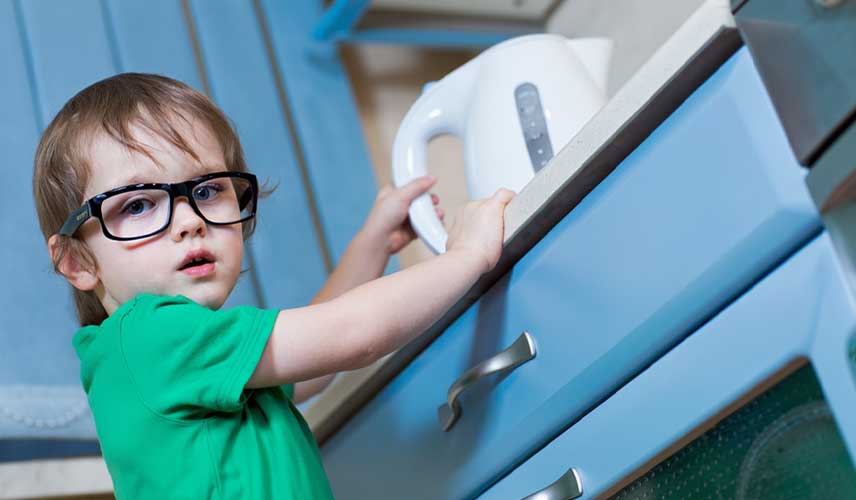
The kitchen is one of the busiest and potentially most dangerous areas of the home. A curious child may stick their hand into an electric appliance, pull a pan with hot oil or a boiling kettle off the stove. In the kitchen, children can be exposed to many dangers, from burns and scalds to poisoning, injuries, falls, and electric shocks.
-
Burns and Scalds: Always turn the handles of pots and pans on the stove towards the wall. Prefer back burners that children cannot reach. Always keep hot oil, hot water, or kettles away from the edge of the stove.
-
Poisoning: Cleaning supplies, medications, insecticides, and even some spices should be stored in locked cabinets out of children's reach. Small, colorful pills or detergent pods left on the kitchen counter can be mistaken for candy by children.
-
Cuts and Falls: Store sharp kitchen utensils like knives and forks in locked drawers. Ensure the kitchen floor is not slippery, clean up spilled liquids immediately, and use non-slip rugs or mats.
-
Electric Shock: Ensure that the cords of large electrical appliances like ovens, microwaves, and refrigerators are intact. Use outlet covers to prevent children from inserting their fingers into sockets.
Bathroom and Toilet: Wet and Slippery Traps
Bathrooms and toilets can also be scenes of home accidents. Slippery and hard floors, razors lying around, cosmetics that can cause poisoning if swallowed, and electrical appliances like hair dryers lead to numerous incidents of poisoning, falls, and injuries every year.
-
Slips and Falls: Place non-slip mats inside and outside the bathtub. Wipe up any water on the floor immediately.
-
Drowning: Never leave children alone during bath time. Just a few centimeters of water is enough for a child to drown. After emptying the bathtub or buckets, close the lids.
-
Poisoning and Cuts: Keep cosmetic products like shampoo, soap, and lotion, as well as medications, razors, and scissors in locked cabinets.
-
Electric Shock: After using electrical appliances like hair dryers and straighteners, unplug them immediately and store them out of children's reach.
Children's Room and Bedroom: Safe Sleeps, Safe Plays
When decorating a child's room, you should also consider the possibilities of accidents, as your child will spend a lot of time here. The parents' bedroom can also harbor dangers.
-
Drowning Hazard: Tie curtain and blind cords out of children's reach. Do not keep pillows, soft toys, or thick blankets in the crib.
-
Falls: Ensure that the side rails of the crib or bed are sturdy and high. Remove furniture that could help a child climb to the window and use locks or protective bars on windows.
-
Toppling Hazard: Secure heavy furniture like cabinets, bookshelves, and televisions to the wall to prevent them from tipping over onto your child.
-
Fire and Electricity: Install protective covers on outlets. Keep flammable materials like matches, lighters, and candles out of children's reach.
Common Areas and Outdoors
Common areas like living rooms and lounges also pose various dangers to children. A small child can fall from cabinets and furniture in these areas, get injured from sharp edges and corners, or try to reach poorly secured accessories hanging on the wall, causing them to topple over.
-
Sharp Corners: Install protectors on the sharp corners of furniture.
-
Stairs and Balconies: Indoor stairs and balconies pose serious risks for children. Install safety gates at the top and bottom of stairs. Ensure that the gaps between balcony railings are narrow or use protective nets.
-
Garden and Garage: The risk of drowning, poisoning, burns, falls, and electric accidents is also present in outdoor areas like gardens, garages, and pools. Store chemicals like paint and gasoline in locked cabinets in the garage.
-
Pool Safety: If there is a pool in your home or garden, surround it with fences and use a pool cover. Never leave children unattended near the pool.
You should take this issue into consideration, as the number of children who suffer significant harm or even lose their lives due to such accidents in our country and around the world is not small. You should generally pay attention to electrical safety in your home; additionally, you should take special precautions that need to be taken in individual rooms and areas. Remember, a safe home is not just a house, but a play area where your child can explore safely.
Child Health and Safety Other Content in the Category

Child Health and Safety
Newborn Care
Child Health and Safety
My Baby Refuses to Eat Solid Foods
Child Health and Safety
Ways to Protect Children from Coronavirus

Child Health and Safety
What to Do to Instill Brushing Habits in Children
Child Health and Safety
Child Safety: Medications Should Be Stored Out of Children's Reach

Child Health and Safety
10 Effective Tips for Child Health
Child Health and Safety
8 Factors That Cause Babies to Cry

Child Health and Safety
Down Syndrome Diagnosis Methods

Child Health and Safety
When Do Babies Crawl

Child Health and Safety
Information About Teething Period in Infants
Child Health and Safety
How Much Water Should Babies Drink?

Child Health and Safety
10 Things to Do for a Healthy Pregnancy

Child Health and Safety
10 Ways to Prevent Sugar Consumption in Children

Child Health and Safety
Frequently Asked Questions About Cancer and Chemotherapy
Child Health and Safety